

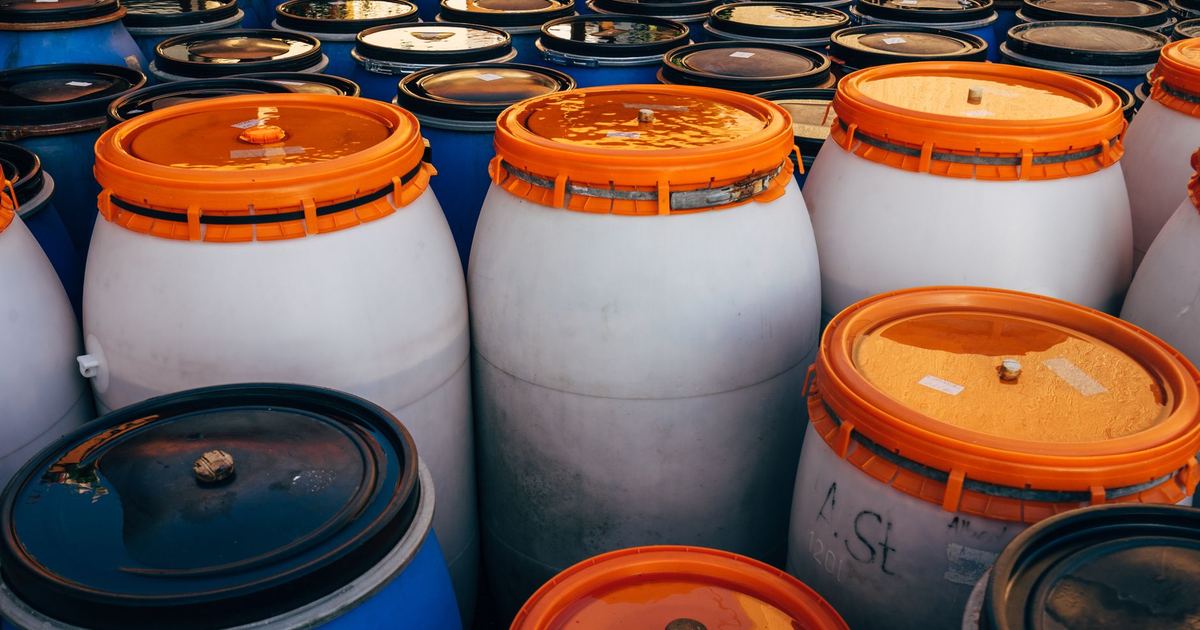
- Dangerous goods are divided into 9 classes under the UN Recommendations on the Transport of Dangerous Goods; the IATA DGR (air), the IMDG Code (sea) and Decree 34/2024/ND-CP (road and inland waterway in Vietnam) all use the same classification framework.
- Many familiar consumer products are dangerous goods: perfume and hand sanitizer (Class 3), aerosols and lighters (Class 2), pool chlorine (Class 5.1), lead-acid batteries (Class 8), lithium batteries and dry ice (Class 9).
- One item can carry several hazards: the primary class determines the primary label, while subsidiary hazards must also be shown on labels and documents.
- From 01/01/2026, IATA DGR 67th edition makes it mandatory for lithium-ion batteries packed with equipment (UN3481) and lithium-ion battery-powered vehicles (UN3556) to be at a state of charge of no more than 30% when shipped by air.
- The most reliable basis for classification is Section 14 (Transport information) of the MSDS/SDS; when in doubt, send the MSDS to your logistics provider for review before booking.
Many shipments are rejected by airport warehouses or shipping lines not because the shipper deliberately concealed anything, but because the shipper did not know the product was dangerous goods (DG). A box of perfume samples, a few dozen deodorant sprays, a batch of promotional power banks or a few buckets of pool-treatment chlorine can all fall into this category. This article helps businesses understand the 9 classes of dangerous goods and recognise the items most often overlooked.
Where does the 9-class system come from?
The classification of dangerous goods into 9 classes comes from the United Nations Recommendations on the Transport of Dangerous Goods – Model Regulations (UN Model Regulations). Each mode-specific set of rules is built on this framework:
- Air: the IATA Dangerous Goods Regulations (IATA DGR), based on the ICAO Technical Instructions. The edition applicable in 2026 is the 67th edition.
- Sea: the International Maritime Dangerous Goods (IMDG) Code of the International Maritime Organization (IMO).
- Road and inland waterway in Vietnam: Decree 34/2024/ND-CP dated 31/3/2024 (effective 15/5/2024), which sets out the list of dangerous goods, also divided into 9 corresponding classes.
Because they share one framework, once an item has been classified correctly, its UN number (four digits, for example UN1266) and hazard class are essentially the same across all transport modes. What differs is the level of restriction: air transport is usually the strictest in terms of quantities, packaging and the types of aircraft allowed to carry the goods.
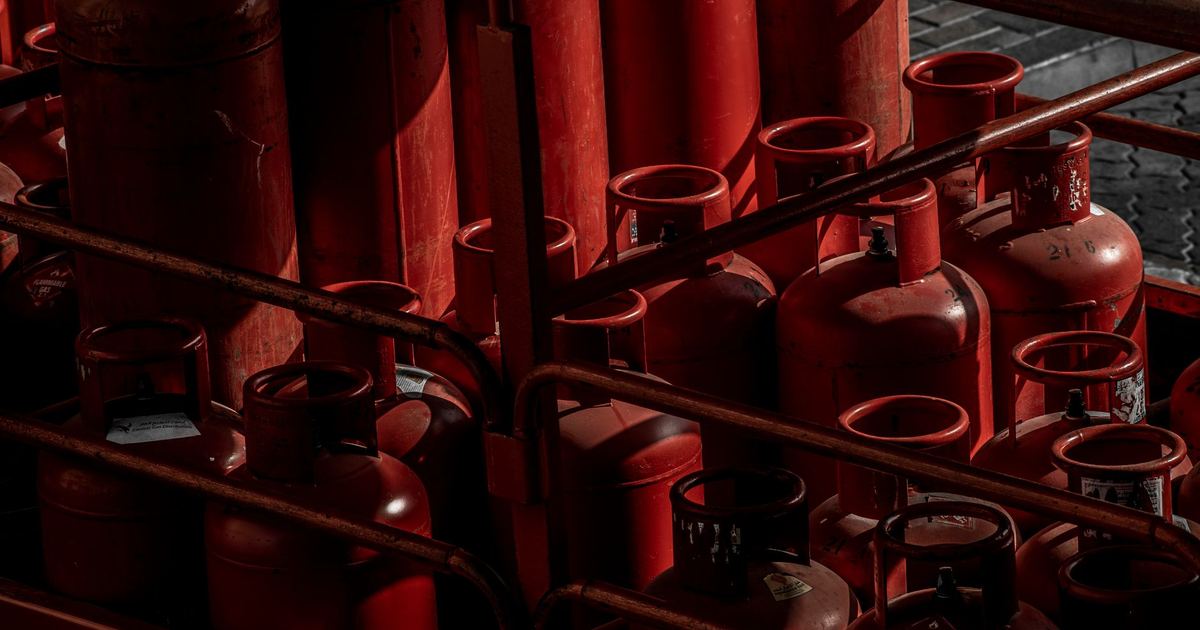
The 9 classes of dangerous goods and familiar examples
| Class | Main divisions | Familiar items |
|---|---|---|
| 1. Explosives | 1.1 to 1.6, by explosion hazard | Fireworks, detonators, ammunition, some car airbag inflators |
| 2. Gases | 2.1 flammable gases; 2.2 non-flammable, non-toxic gases; 2.3 toxic gases | Aerosols, gas lighters, mini gas canisters, fire extinguishers, breathing-air cylinders |
| 3. Flammable liquids | Grouped by flash point and boiling point (packing groups I, II, III) | Perfume, paint, solvent-based printing ink, adhesives, alcohol, hand sanitizer, nail polish |
| 4. Flammable solids | 4.1 flammable solids; 4.2 substances liable to spontaneous combustion; 4.3 substances that emit flammable gases when wet | Matches, sulfur, some types of activated carbon, calcium carbide |
| 5. Oxidizing substances | 5.1 oxidizing substances; 5.2 organic peroxides | Pool chlorine (calcium hypochlorite), high-concentration hydrogen peroxide, ammonium nitrate fertilizer, hardeners for adhesives and fillers |
| 6. Toxic and infectious substances | 6.1 toxic substances; 6.2 infectious substances | Many pesticides, pathological specimens, medical test samples |
| 7. Radioactive material | – | Radioisotopes used in medicine, some industrial measuring instruments |
| 8. Corrosive substances | – | Acids, caustic soda, lead-acid batteries, some industrial cleaners and drain cleaners |
| 9. Miscellaneous dangerous substances and articles | – | Lithium batteries, dry ice, magnetized materials (by air), engines and vehicles containing fuel or batteries, environmentally hazardous substances |
The table above is for illustration only. For the same product name, a different formulation, concentration or battery capacity can lead to a different classification. For example, not every pesticide falls under Class 6.1: some are placed in Class 3 because of a flammable solvent, and others fall only under Class 9 as environmentally hazardous.
Items businesses often overlook
Cosmetics and household chemicals
Perfume, body sprays, nail polish and alcohol-based hand sanitizer are typical cases. Perfume containing a flammable solvent is usually declared under UN1266 (perfumery products), Class 3. Aerosols such as hairspray, deodorant and insecticide sprays are assigned UN1950 in Class 2, and whether they are flammable depends on the propellant inside.
Electronics and batteries
Lithium batteries are the most common type of hidden dangerous goods: power banks, phones, laptops, wireless earbuds, mini electric vehicles and e-cigarettes. Lithium batteries belong to Class 9 but have their own label (black and white stripes on the upper half and a battery symbol on the lower half), different from the standard Class 9 label. Each configuration (loose batteries, batteries packed with equipment, batteries contained in equipment) has its own requirements for air transport.
A new point to note: from 01/01/2026, the IATA DGR 67th edition changes the maximum state of charge of 30% of rated capacity from a recommendation to a mandatory requirement for lithium-ion batteries packed with equipment (UN3481) and lithium-ion battery-powered vehicles (UN3556). For loose lithium-ion batteries (UN3480), the 30% limit has been mandatory for many years.
Water treatment chemicals and construction supplies
Chlorine tablets and powder used for swimming pools and water treatment are usually calcium hypochlorite, Class 5.1. It is a strong oxidizer that can cause a fire on contact with oil, grease or organic materials. In construction and furniture, paints, adhesives, paint thinners (Class 3) and organic peroxide hardeners supplied with polyester resins and fillers (Class 5.2) are also very easily declared as "general cargo".
Medical goods and specimens
Pathological and test specimens sent for analysis usually fall under Class 6.2. Pharmaceutical goods that must be kept cold with dry ice (UN1845, Class 9) must also be declared, because dry ice sublimates into CO₂ gas, which can raise the pressure inside a package and cause asphyxiation in enclosed spaces.
Machinery, spare parts and personal items
Engines, generators and lawn mowers with residual fuel; lead-acid batteries (Class 8); fire extinguishers (Class 2.2); and speakers and equipment with strong magnets (magnetized materials, Class 9 when shipped by air). Personal items sent abroad also often include lighters, matches and mini gas canisters for camping stoves.
One item can carry several hazards
Each item has a primary hazard class and may also have subsidiary hazards. For example, some high-concentration hydrogen peroxide solutions are both oxidizing (5.1) and corrosive (8). In that case the package must bear both the primary and subsidiary labels, and the dangerous goods declaration must be completed in full. In addition, Classes 3, 4, 5.1, 6.1, 8 and 9 are further divided into packing groups: I for high danger, II for medium and III for low. The packing group determines the type of UN packaging and the permitted quantity limits.
How do you know which class your goods belong to?
- Request the MSDS/SDS from the manufacturer. Section 14 (Transport information) states the UN number, proper shipping name, hazard class and packing group for each transport mode. Use the latest version, and preferably the English version in the 16-section GHS format.
- Check against the transport mode. An item may be carried by sea but forbidden on passenger aircraft, or allowed only on cargo aircraft (Cargo Aircraft Only).
- Check the quantity and configuration. Dangerous goods in small packages may qualify for simplified rules (Limited Quantity, Excepted Quantity), but specific packaging and labelling conditions must still be met.
- When in doubt, ask before booking. Misdeclaring or failing to declare dangerous goods can lead to rejection, penalties and danger to carriers.
A simple rule: if the product packaging or MSDS carries the words "flammable", "aerosol", "lithium", "corrosive" or "oxidizer", treat it as dangerous goods until it has been checked.
How can VPL help?
The VPL team helps customers read the MSDS, determine the dangerous goods class, advise on the most suitable mode of transport (air, sea or a combination), and prepare packaging, labels and declarations in line with regulations. If you are unsure whether your product is dangerous goods, send the MSDS to VPL for review before requesting a quotation.
- UNECE – UN Recommendations on the Transport of Dangerous Goods, Model Regulations
- IATA – Dangerous Goods Regulations (DGR)
- IATA – Lithium Battery Shipping Guidance
- Lion Technology – Mandatory Lithium Battery State-of-Charge Limit from 01/01/2026
- IMO – International Maritime Dangerous Goods (IMDG) Code
- Vietnam Government Portal – Decree 34/2024/ND-CP on the List of Dangerous Goods
This article is for general information and was compiled by VPL from public sources at the time of publication. Regulations may change – please contact VPL for advice on your specific shipment.