

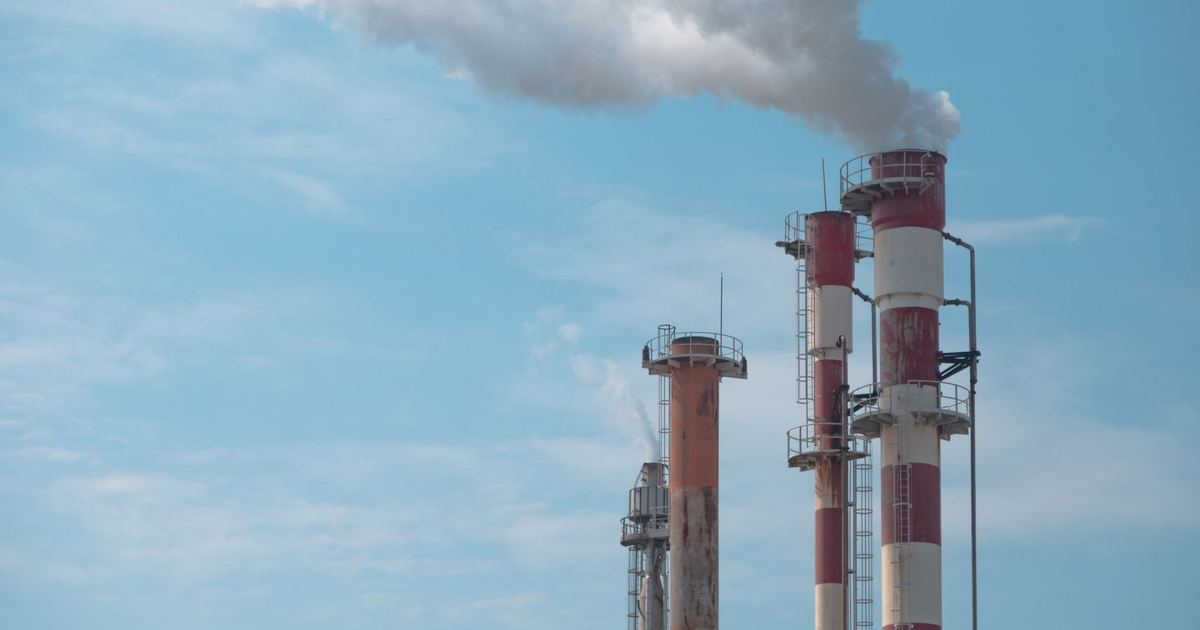
- CBAM is an EU instrument designed to place a carbon price on imports of carbon-intensive goods.
- The first six affected sectors comprise iron and steel, aluminium, cement, fertilisers, electricity, and hydrogen.
- Enterprises must establish greenhouse gas reporting systems and transition toward green manufacturing processes.
- VPL supports enterprises with customs advisory services and optimised freight transport solutions for EU-bound cargo.
What Is CBAM and Why Does It Matter to Vietnamese Enterprises?
The Carbon Border Adjustment Mechanism (CBAM) is a landmark environmental policy of the European Union (EU). The core objective of CBAM is to ensure parity between EU producers—who are subject to stringent emissions standards—and non-EU manufacturers. By levying a carbon price on imported goods based on the greenhouse gas emissions embedded in their production, the EU aims to prevent 'carbon leakage', where companies relocate manufacturing to jurisdictions with less stringent environmental regulations.
For Vietnam, the EU represents one of its foremost export markets. The implementation of CBAM is not merely a new technical barrier, but also a decisive indicator of the global green trade transition. Businesses failing to adapt in a timely manner risk encountering elevated costs and forfeiting competitive advantages within this market.
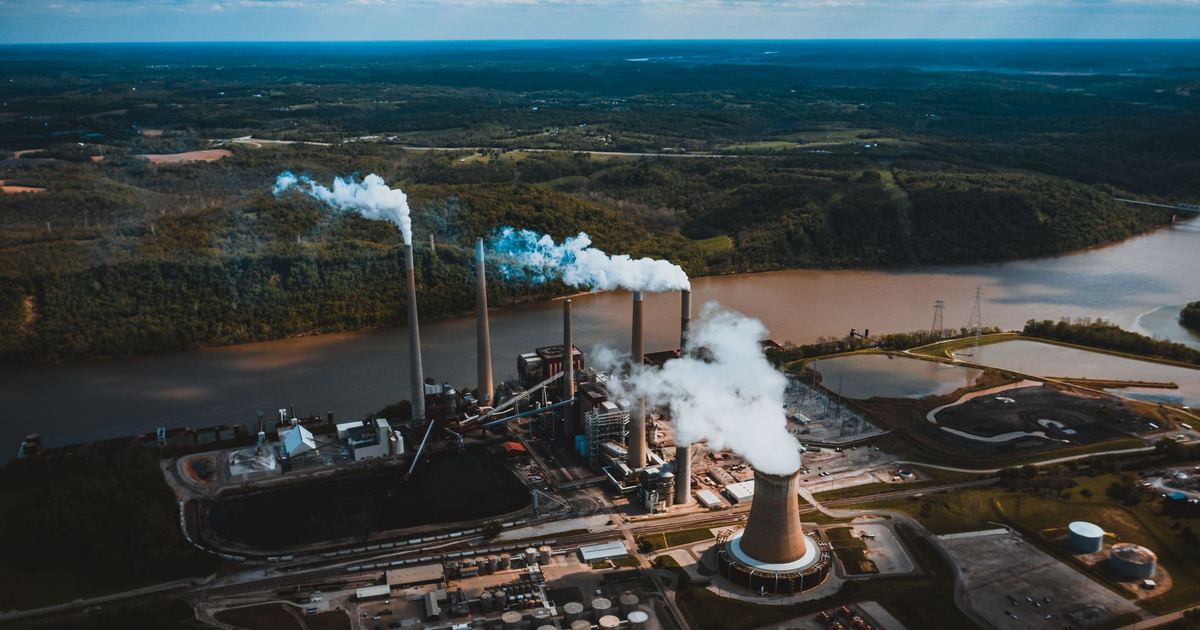
Commodity Groups Covered Under CBAM
In its initial phase, the EU focuses on industry sectors carrying the highest risk of carbon leakage and significant emissions intensity. Below is the list of key commodities Vietnamese enterprises must monitor:
| Commodity Sector | Impact Characteristics |
|---|---|
| Iron and steel | This sector faces the most substantial impact due to significant export volumes from Vietnam to the EU. |
| Aluminium | Aluminium and aluminium alloy products are subject to regulatory coverage. |
| Cement | Although direct export volumes to the EU are relatively limited, cement manufacturing entails exceptionally high emissions intensity. |
| Fertilisers | Chemical fertilisers for agricultural applications. |
| Electricity | Applies to cross-border electricity transmission and trade (with less direct impact on Vietnam compared to other sectors). |
| Hydrogen | An emerging energy commodity promoted by the EU, yet still subject to emissions oversight. |
Please note that this scope may be expanded by the EU in the future to encompass downstream goods or other sectors such as plastics and chemicals.
Implementation Roadmap: From Reporting to Financial Enforcement
The CBAM mechanism is not implemented overnight; rather, it is phased in to allow commercial entities adequate preparation time:
1. Transition Phase
During the transitional phase (01/10/2023 – 31/12/2025), importers of covered goods into the EU are only required to submit quarterly reports detailing the embedded greenhouse gas emissions of their products (including direct and indirect emissions) without having to surrender financial carbon charges. The objective is to collect data and familiarise stakeholders with carbon accounting methodologies. Starting in 2026, Vietnamese enterprises must furnish EU importers with verified actual emissions data for the annual CBAM declaration; in the absence of primary data, importers may be compelled to rely on default values, which are typically less favourable.
2. Definitive Phase
The definitive phase commences on 01/01/2026: only authorised CBAM declarants are permitted to import CBAM goods exceeding the threshold of 50 tonnes/year, and they must surrender CBAM certificates corresponding to embedded emissions. Certificates will be sold starting 01/02/2027; the 2026 price is calculated on a quarterly average, and from 2027 onward on a weekly average of EU ETS auction prices. If an installation operator has effectively paid a carbon price in the country of origin (which is not rebated upon export and is independently verified), this amount may be deducted from the required CBAM certificate surrender liability.
Challenges and Opportunities for Vietnamese Exporters
CBAM compliance poses several challenges while simultaneously unlocking new commercial opportunities:
- Cost challenges: The expenditure required to purchase CBAM certificates will increase product landed costs, exerting downward pressure on corporate profit margins.
- Technical capability challenges: Conducting greenhouse gas accounting in accordance with EU standards requires modern data management systems and thorough expertise in emissions factor calculation methodologies.
- Green transition opportunities: Pioneering enterprises adopting renewable energy and low-emission production technologies will secure significant competitive advantages, facilitating deeper integration into sustainable European supply chains.
VPL: Partnering with Shippers in the CBAM Era
At Viet Power Logistics (VPL), we understand that international regulatory shifts such as CBAM can present operational challenges for your enterprise. As an international freight forwarder, VPL supports our clients with:
- Regulatory advisory: Providing continuous updates on CBAM developments and pertinent customs regulations to support proactive commercial planning.
- Supply chain optimisation: Delivering efficient ocean freight and air freight solutions to assist in mitigating overall logistics costs.
- Documentation support: Ensuring import-export documentation is accurately and transparently compiled, seamlessly facilitating emissions reporting for EU-based consignees and trade partners.
The green transition is no longer discretionary; it is a mandatory pathway to sustaining international competitiveness. VPL stands ready to accompany your enterprise in navigating and succeeding within the high-potential yet demanding EU market.
This article is for general information and was compiled by VPL from public sources at the time of publication. Regulations may change – please contact VPL for advice on your specific shipment.