

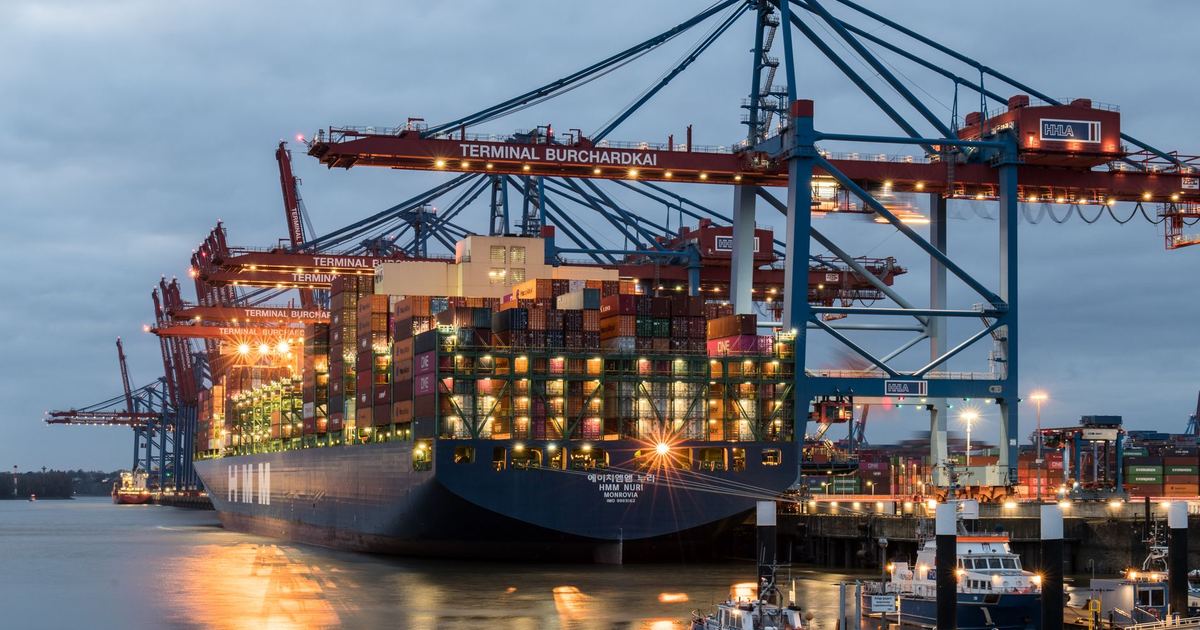
- Core definitions of Full Container Load (FCL) and Less than Container Load (LCL).
- Detailed comparison of costs, transit times, and cargo safety between both shipping modes.
- Volume break-even analysis to determine when to switch from LCL to FCL.
- Special considerations for shipping dangerous goods (DG) as consolidated LCL cargo.
1. Hiểu rõ về FCL và LCL trong vận tải đường biển
In ocean freight, two of the most fundamental terms every importer and exporter must master are FCL and LCL. Understanding their core distinctions is the first step toward optimizing your supply chain.
- FCL (Full Container Load): A shipment mode where an entire container is dedicated exclusively to one shipper. The shipper books one or more full containers exclusively for their cargo. The container is sealed at the shipper's warehouse or the port of loading (POL) and remains intact until it is de-vanned at the consignee's facility.
- LCL (Less than Container Load): A consolidated shipment mode. When cargo volume is insufficient to fill a dedicated container, a freight forwarder consolidates your cargo with consignments from multiple shippers into a shared container. This process is known as cargo consolidation.
2. So sánh chi tiết: Khi nào nên chọn FCL, khi nào chọn LCL?
To determine the most suitable option, businesses must evaluate several operational parameters. Below is a comprehensive comparison:
| Criteria | FCL (Full Container Load) | LCL (Less than Container Load) |
|---|---|---|
| Volume / Weight | Typically over 15 CBM or heavyweight cargo. | Typically from 1 CBM up to under 15 CBM. |
| Ocean Freight Rate | Billed per container (flat rate). | Calculated on a revenue ton (w/m) basis, taking the greater of CBM or metric tons (1 CBM = 1,000 kg). |
| Transit Time | Faster (direct port-to-port routing). | Slower (requires additional lead time for consolidation and de-consolidation at the CFS). |
| Cargo Safety | Higher (minimal handling, zero co-loading contamination risk). | Risk of damage or cross-contamination from co-loaded freight. |
| Customs Clearance | Cleared and inspected per full container unit. | Customs declaration and physical inspection processed individually per consignment. |
3. Phân tích sâu về chi phí và thời gian vận chuyển
Many shippers mistakenly assume that smaller cargo volumes are invariably cheaper via LCL. However, the reality is more nuanced due to fundamentally different local port charges between the two modes.
For FCL shipments, local charges such as Terminal Handling Charges (THC), seal fees, and documentation fees are assessed on a per-container basis. For LCL shipments, CFS (Container Freight Station) charges are assessed per CBM, alongside per-consignment documentation fees. There is a volumetric "break-even point" (typically around 13–15 CBM, depending on the trade lane) where total LCL landing costs equal or exceed the cost of booking an entire 20-foot general purpose container (20'DC). VPL always advises shippers to accurately evaluate total landed costs at both origin and destination before deciding.
Regarding transit time, LCL shipments typically require an additional 3 to 7 days depending on the trade lane. This buffer accommodates cargo carting into the CFS, container stuffing/consolidation at the origin port, and container de-vanning and cargo segregation at the destination CFS. If your consignment is subject to tight delivery schedules, FCL is the safer alternative even if the container is not completely filled.
4. Lưu ý quan trọng đối với hàng nguy hiểm (DG)
Specializing in hazardous cargo logistics, VPL emphasizes critical compliance requirements when booking DG consignments as LCL. Under the IMDG Code, not all hazard classes are permissible for co-loading. Rigorous segregation rules apply to prevent chemical reactions that could trigger fire or explosion during transit.
Securing an LCL consolidation container that accepts dangerous goods is significantly more complex than for general cargo. Flammable chemicals or toxic substances cannot be co-loaded with foodstuffs or general consumer freight. In such cases, if a compliant DG LCL co-loader is unavailable, booking FCL (even for small cargo quantities) may represent the only viable option to satisfy safety regulations and secure ocean carrier approval.
5. Lời khuyên từ VPL để tối ưu hóa quy trình
To determine the most cost-effective and compliant shipping mode, shippers should follow these steps:
- Accurately calculate cargo volume (CBM): Apply the formula (Length x Width x Height) x number of packages to establish true cubic volume. Always account for external pallet dimensions.
- Evaluate agreed Incoterms: Commercial terms such as EXW or FOB determine which party absorbs origin and destination CFS charges. Review the latest Incoterms rules thoroughly.
- Assess cargo nature and sensitivity: For fragile, high-value, or odor-sensitive goods, prioritize FCL to eliminate handling risks and potential contamination during CFS cross-dock operations.
- Build transit time buffers: When opting for LCL, schedule production and dispatch milestones with an extra week of leeway to accommodate potential delays during CFS consolidation and destuffing.
At Viet Power Logistics (VPL), we provide end-to-end freight solutions tailored to every specific consignment. Whether your cargo requires FCL, LCL, or specialized DG handling under the IMDG Code, our team in Ho Chi Minh City stands ready to support your business with comprehensive customs brokerage and turnkey door-to-door multimodal transport services.
This article is for general information and was compiled by VPL from public sources at the time of publication. Regulations may change – please contact VPL for advice on your specific shipment.