

- Choose a transport mode and trade terms (Incoterms) that fit your budget.
- A professional dangerous goods handling process that ensures safety and international compliance.
- A cost-optimisation strategy built on document management and accurate HS code classification.
- Why it matters to choose a logistics partner with strong technical expertise.
Why an end-to-end logistics solution matters
In an increasingly complex international trade environment, logistics is no longer just about moving goods from point A to point B. For import-export businesses in Vietnam, an optimal logistics solution is a seamless combination of cost efficiency, speed and absolute safety, especially for specialised cargo such as dangerous goods (DG). At VPL, we understand that every shipment carries the reputation of the business behind it, so building a well-planned transport route is the key to minimising risk and unexpected costs.
Choosing the transport mode and Incoterms
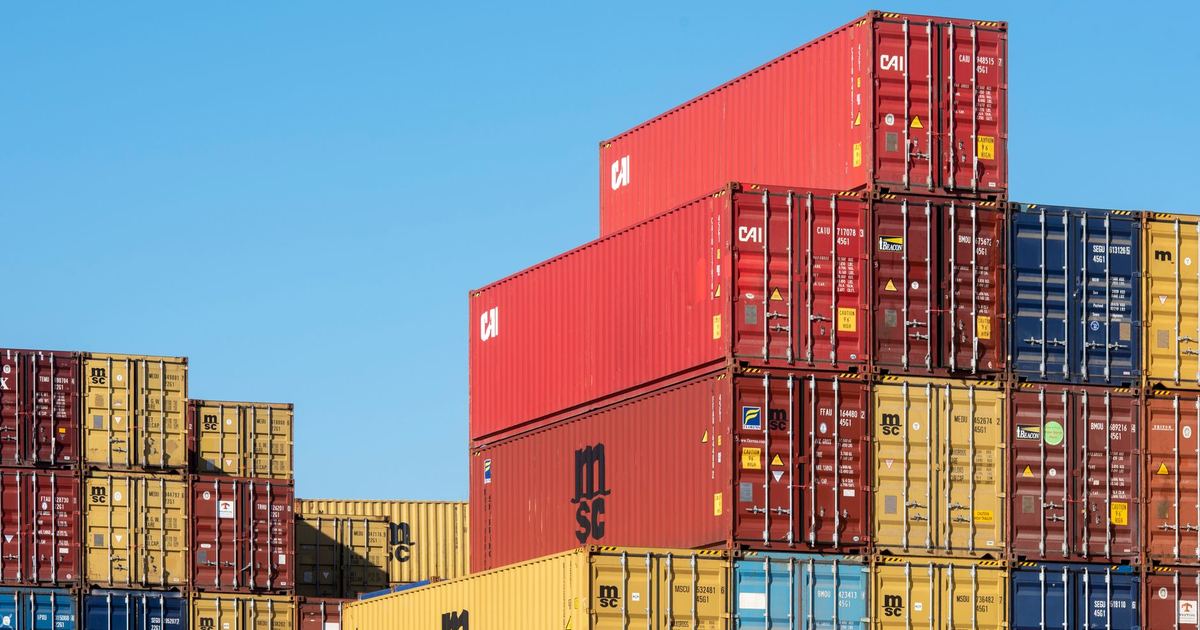
The first step in any logistics solution is to determine the transport mode best suited to the nature of the goods and the time requirements. Choosing the right Incoterms also helps businesses allocate responsibilities and costs clearly.
- Air freight: The best solution for urgent cargo, high-value cargo, or dangerous goods with strict limits on storage time.
- Sea freight: Suitable for large shipments (FCL) or smaller consignments (LCL) to optimise cost. For DG, sea transport usually has stricter segregation requirements.
The brief comparison below makes the choice easier:
| Criteria | Air | Sea |
|---|---|---|
| Speed | Very fast (1-5 days) | Medium (7-45 days) |
| Cost | High | Low, best for heavy cargo |
| Safety | Very high, little handling impact | Medium, requires careful packing |
| Dangerous goods | Strictly controlled under IATA rules | Compliant with the IMDG Code |
Choosing terms such as FOB, CIF or DDP/DAP should also be considered carefully based on the business's ability to manage transport. VPL generally recommends that new businesses start with terms under which the carrier or forwarder can support the whole door-to-door process, to reduce the burden of formalities.
Managing dangerous goods – the core of safety
Dangerous goods such as chemicals, lithium batteries or compressed gases require a specialised solution. Errors at this stage not only lead to the cargo being refused for carriage but also carry the risk of fire or explosion, causing major property damage and legal consequences.
Classification and identification
Every DG solution begins with the Material Safety Data Sheet (MSDS). Based on this document, we determine the UN number, hazard class and packing group. Accurate classification allows the correct application of the IATA DGR (air) or the IMDG Code (sea).
Packaging and labelling
We advise customers to use UN-certified packaging. Each type of dangerous goods has its own requirements for cushioning materials, weight limits per package and the application of warning labels. A shipment packed to standard is the most important passport for crossing international borders.
Optimising customs clearance and handling
Customs procedures are often the "bottleneck" that causes delays in the supply chain. A smart logistics solution must include early preparation of documents and anticipation of likely scenarios.
- HS code checks: Accurate HS code classification determines the tax rate and the applicable specialised management policies. VPL helps businesses review HS codes to avoid incorrect declarations that lead to penalties or delayed clearance.
- Document digitisation: Using modern customs declaration software and storing records electronically makes retrieval and reconciliation faster.
- Domestic transport and warehousing: Smooth connections from the port or airport to the business's warehouse using suitable vehicles, so that goods are not left in storage for too long and incur demurrage and detention (DEM/DET) charges.
Benefits of adopting a professional solution
When an integrated logistics solution is applied, businesses will see clear positive changes:
- Savings on hidden costs: Fewer penalties caused by delays, document errors or damaged goods.
- Greater competitiveness: Goods that reach partners on time and in perfect condition strengthen brand reputation.
- Complete peace of mind: Businesses can focus on their core operations and leave complex transport issues to specialists.
Logistics is not just a cost; it is part of business strategy. The right solution turns the supply chain into a long-term competitive advantage.
At Viet Power Logistics (VPL), we do not just provide transport services; we offer solutions designed around each customer's needs. With a focus on dangerous goods and air freight, VPL is ready to support Vietnamese businesses with their international shipments.
This article is for general information and was compiled by VPL from public sources at the time of publication. Regulations may change – please contact VPL for advice on your specific shipment.