

- Standardized packaging and labeling solutions compliant with IATA and IMDG regulations to prevent transport rejections.
- Cost optimization through multimodal transport and strategic cargo consolidation/stowage techniques.
- Professional risk management and documentation processing for rapid customs clearance of restricted goods like chemicals and lithium batteries.
- Benefits of end-to-end door-to-door logistics services in maintaining supply chain control.
Standardized Packaging and Labeling Solutions for Dangerous Goods (DG)
In dangerous goods transport, packaging is not merely about physical protection; it is a mandatory legal requirement to ensure the safety of personnel, transport units, and the environment. At VPL, we observe that many Vietnamese enterprises face rejections at airport transit sheds or seaport terminals due to non-compliant packaging. The core solution lies in using certified UN Specification Packaging.
A typical example is the transport of Class 3 flammable liquids. Shippers cannot use off-the-shelf commercial plastic drums or jerricans. Instead, liquids must be contained in authorized inner packagings placed inside a valid UN-certified 4G fibreboard box or 4H2 plastic box. The UN specification mark on the outer packaging indicates that it has successfully passed rigorous drop, stacking, and internal pressure tests. Furthermore, packaging solutions must incorporate cushioning and absorbent materials (such as specialized loose-fill or vermiculite) to contain potential leaks in the event of inner packaging failure.
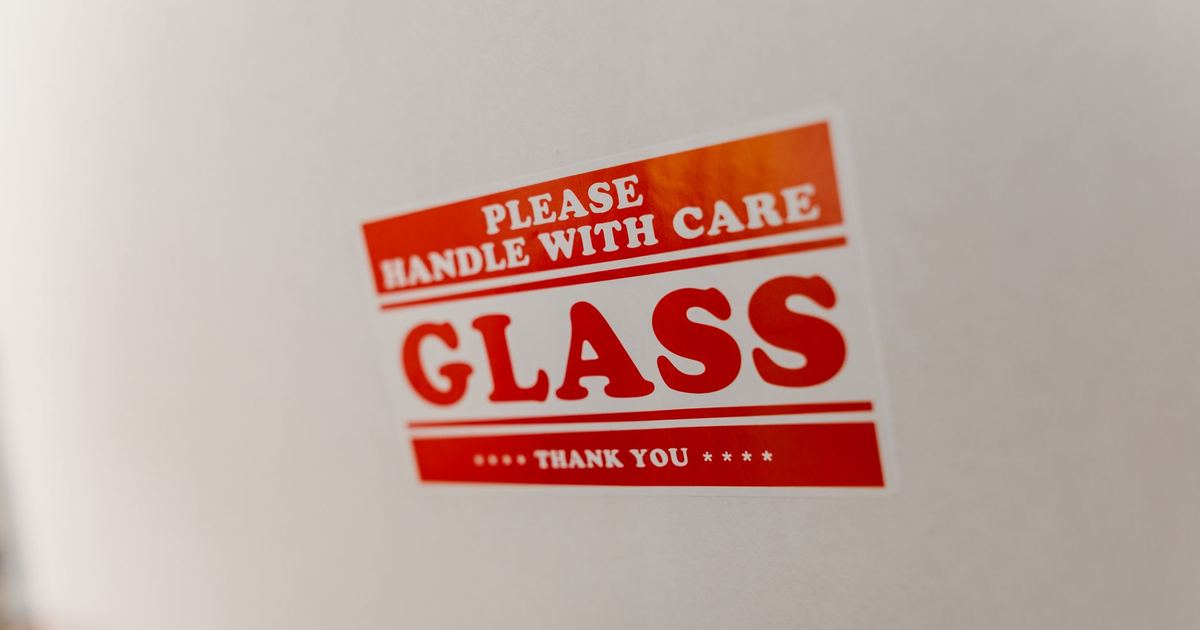
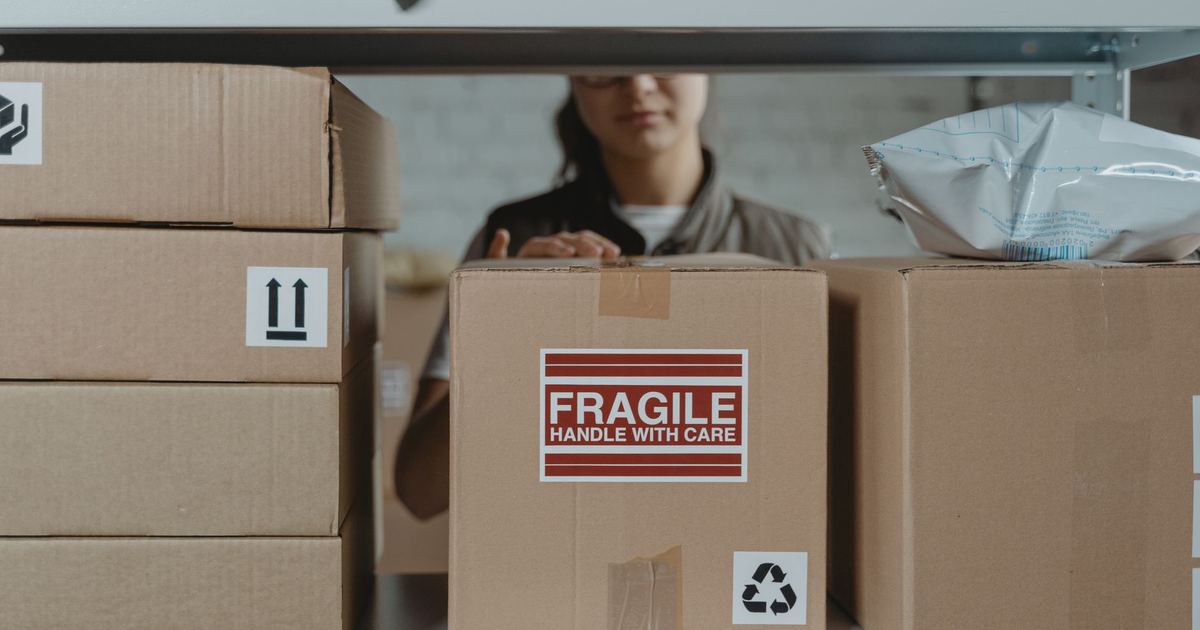
Regarding labeling and marking, each dangerous goods package must display the appropriate hazard labels corresponding to its class/division, handling labels such as 'Cargo Aircraft Only' when restricted to freighter aircraft, and key transport marks including the UN Number and Proper Shipping Name (PSN). Minor discrepancies—such as misaligned labels, smudged text, or missing shipper/consignee details—can result in severe shipment delays. VPL advises shippers to implement a cross-verification checklist prior to dispatch to guarantee strict compliance with the relevant Packing Instructions under the IATA DGR or IMDG Code.
Multimodal Transport Optimization: Combining Sea-Air Solutions to Balance Cost and Transit Time
For importers and exporters, the primary challenge is achieving on-time delivery at minimum cost. When air freight is too costly and ocean freight is too slow, Multimodal Transport emerges as a strategic solution. By flexibly combining different transport modes under a single multimodal bill of lading, shippers can effectively optimize their supply chains.
A common scenario in Vietnam involves shipments of electronic components containing lithium batteries or aerosol cosmetics destined for European or US markets. Pure ocean freight can take 35 to 45 days, disrupting commercial schedules. Direct air freight incurs steep DG surcharges and high base rates. VPL's solution utilizes sea transport from Vietnam to major transshipment hubs like Singapore or Dubai, followed by air freight to the final destination. This Sea-Air hybrid approach can yield 30% to 50% cost savings compared to direct air transport, with a transit time extension of only 7–10 days.
However, successful execution requires careful alignment with mode-specific regulations. Cargo transshipped from ocean vessel to aircraft must undergo re-inspection to satisfy air transport regulations, which are generally more stringent than maritime rules. Partnering with a logistics provider possessing a global agency network and proven transshipment expertise is crucial. We consistently advise clients to prepare complete transshipment documentation and ensure packages are compliant for both transport modes right from origin departure.
Documentation Management and Customs Clearance Solutions for Specialized Freight
Documentation is the backbone of international logistics, particularly for dangerous goods and chemicals. Inaccurate documentation not only leads to customs holds but can also trigger severe regulatory fines. VPL advocates a 'Digitalize and Standardize' model right from initial data intake. The most critical document shippers must manage effectively is the Safety Data Sheet (SDS / MSDS).
Many companies supply outdated MSDSs or sheets lacking the mandatory 16 sections under GHS standards. This complicates HS Code classification and customs declarations. Our solution involves reviewing the MSDS during the quoting stage, paying close attention to Section 14 (Transport Information) to pinpoint the UN Number, Hazard Class, and Packing Group (PG). With verified data, declarations filed via the VNACCS/VCIS system achieve higher accuracy, reducing unnecessary Yellow or Red channel routings.
Additionally, lithium battery shipments require a UN 38.3 Test Summary. For regulated chemicals, import licenses or chemical declarations via the National Single Window portal may be mandatory. VPL encourages enterprises to build a digital document repository for frequently traded SKUs. This reduces document preparation turnaround from days to hours while ensuring synchronized data across carriers, airlines, and terminal operators for swift acceptance.
Palletizing Techniques and Weight Calculation Strategies to Minimize Freight Costs
In air freight, chargeable weight is calculated based on gross weight or volumetric weight (Volume Weight), whichever is greater. For bulky freight or DG shipments requiring extensive cushioning, volumetric weight often inflates transportation costs. The solution lies in strategic packaging and palletization techniques using Unit Load Devices (ULDs) or wooden/plastic pallets.
Shippers should utilize nesting techniques or optimize outer carton dimensions to match standard pallet footprints (typically 1.2m x 1.0m or 1.2m x 0.8m). Overhanging or overly tall pallet loads pose handling hazards and trigger airline oversize surcharges. At VPL, we frequently advise export shippers to utilize plastic pallets to bypass phytosanitary/fumigation requirements required for wooden pallets, while securing packages firmly using specialized stretch film and strapping.
A practical example: A loose shipment of 20 chemical packages consumes significant floor space and risks package loss. When consolidated onto a single pallet under 1.6m in height—making it compatible with Passenger Aircraft lower decks—the shipper minimizes damage risk while unlocking lower palletized freight rates. We encourage clients to provide precise piece dimensions (L x W x H) so VPL's technical team can calculate optimal palletization plans prior to cargo delivery at origin warehouses.
Door-to-Door Transport Solutions: End-to-End Supply Chain Risk Control
Door-to-door transport services from shipper's facility to consignee's warehouse offer an ideal solution for businesses seeking to focus on core operations while outsourcing complex logistics management. For dangerous goods, this model is even more critical as it maintains a continuous 'chain of safety,' avoiding information gaps when cargo transitions between multiple uncoordinated carriers.
When utilizing VPL's Door-to-Door service, businesses receive comprehensive support ranging from factory pick-up using certified DG road vehicles to customs brokerage and international freight forwarding. A major supply chain vulnerability is process misalignment—for example, if a road hauler dispatches an untrained driver or a truck lacking mandated spill containment and firefighting equipment, causing transit impoundment by traffic authorities or rejection at the port terminal.
An end-to-end service allows full oversight over every link in the chain. We dispatch certified transport units equipped with spill response kits and synchronize pick-up schedules with vessel closing times or flight cut-offs. For import shipments, we verify origin documentation and recommend optimal Incoterms (such as EXW or FCA), giving Vietnamese importers direct control over freight costs and transit risks. Working with a single point of contact simplifies shipment tracking and ensures clear accountability if incidents occur.
Contingency Planning and Incident Management in International Logistics
Logistics operations are inherently subject to unforeseen variables such as natural disasters, port congestion, sudden regulatory shifts, or transport equipment failure. For dangerous goods, these disruptions carry far higher consequences than general cargo. Thus, proactive risk management and robust contingency planning are essential.
VPL routinely advises clients to secure adequate Cargo Insurance tailored to their commodity type and transit mode. Insurance covers financial losses from cargo damage or loss while absorbing expenses associated with emergency salvage or environmental remediation. Furthermore, we construct alternative routing protocols—such as diverting cargo to secondary ports or rerouting via combined road-sea multimodal options during main port congestion.
If cargo is flagged for physical customs inspection, shippers must have technical product expertise ready for representation. VPL serves as an intermediary, assisting clients in assembling technical datasheets and product samples, while directly engaging with customs officials to clarify queries regarding chemical composition or hazard classification. Proactive risk forecasting and swift intervention enable businesses to maintain supply chain stability even during volatile market conditions.
Frequently Asked Questions (FAQ)
1. What is the validity period of an MSDS/SDS?
Generally, an MSDS does not have a fixed expiration date, but it must be updated immediately upon changes to chemical composition or regulatory revisions by the manufacturer. However, many air carriers require an MSDS issued within the last 2–3 years to ensure data accuracy.
2. Can dangerous goods be shipped via express courier services?
Yes, but with strict limitations. Only a few international express couriers accept dangerous goods, restricted to specific quantity limits (such as Limited Quantity or Excepted Quantity) under special service contracts. For larger volumes, standard air freight remains the safer and more economical option.
3. Why are freight rates higher for dangerous goods compared to general cargo?
Dangerous goods incur higher rates due to specialized warehouse handling, personnel DG training, explosion-proof equipment, carrier document verification fees, and elevated liability risks. Additionally, DG shipments face strict stowage and segregation restrictions aboard vessels and aircraft.
4. Does VPL provide on-site dangerous goods packaging services?
Yes, we offer expert consulting and certified UN packaging services directly at the customer's warehouse or at VPL's facilities. We supply complete packaging materials, including 4G fibreboard boxes, hazard labels, and international-standard absorbent materials.
5. How can I determine if an item is hazardous if the manufacturer does not provide an MSDS?
You can check original package markings (diamond hazard pictograms, flammability warnings) or research the chemical constituents of the product. However, requesting an MSDS directly from the manufacturer is mandatory; without an MSDS, carriers will reject the cargo as risk levels cannot be classified.
Logistics is not merely transportation; it is the art of finding optimal solutions that balance safety, time, and cost. At Viet Power Logistics (VPL), we are committed to empowering Vietnamese enterprises with practical, specialized, and dedicated freight solutions.
This article is for general information and was compiled by VPL from public sources at the time of publication. Regulations may change – please contact VPL for advice on your specific shipment.