

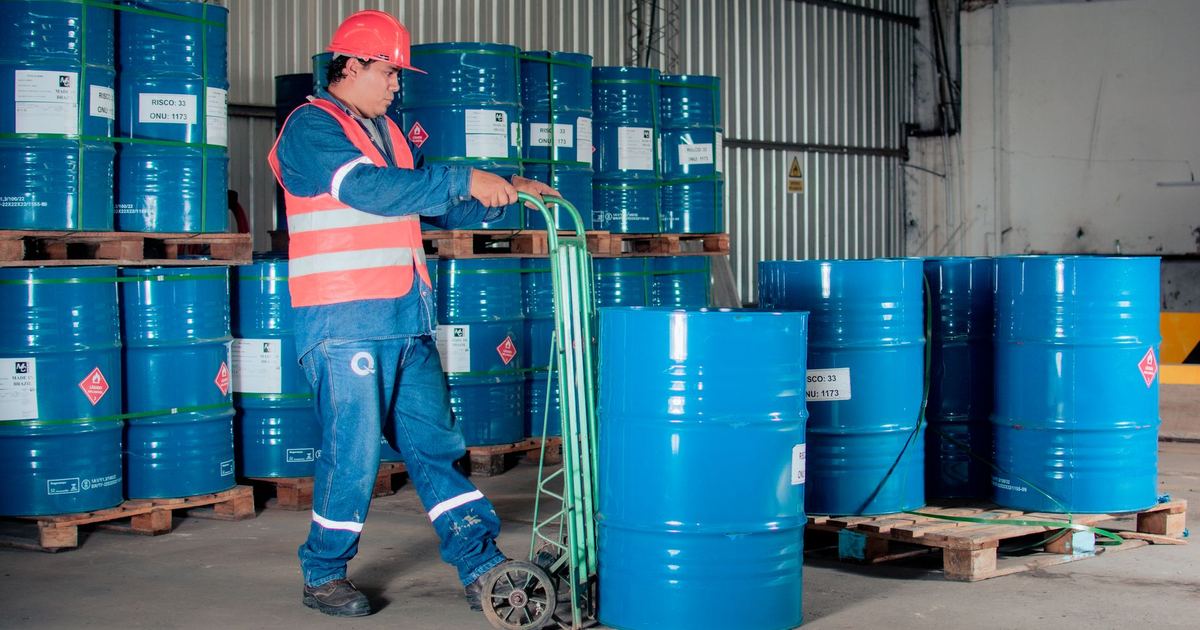
- Identify the competent regulator based on the intended use of the chemical.
- Prepare a complete MSDS and goods labels that comply with GHS standards.
- Submit chemical declarations through the National Single Window portal.
- Note the licences required for precursors and for chemicals subject to restricted trading.
Chemicals are among the most strictly regulated goods in import-export activity. Because of their potential danger to health, the environment and security, clearing chemicals goes beyond ordinary customs procedures and requires various licences and complex specialised inspections. At Viet Power Logistics (VPL), we understand that mastering this process is the key to helping businesses avoid cargo delays and unexpected costs.
Chemical classification and the competent regulators
The first and most important step is to determine which ministry or agency has authority over the business's chemicals. Depending on the intended use and composition, chemicals are regulated by different agencies:
- Ministry of Industry and Trade: Manages most industrial chemicals, conditionally traded chemicals and industrial precursors.
- Ministry of Health: Manages chemicals used in healthcare and pharmaceuticals, as well as household insecticides and disinfectants.
- Ministry of Agriculture and Environment: Manages pesticides, fertilizers and chemicals used in veterinary medicine and aquaculture.
- Industrial explosives and explosive precursors: Managed under the Law on Management and Use of Weapons, Explosives and Support Tools, mainly under the authority of the Ministry of Industry and Trade, in coordination with the Ministry of Public Security and the Ministry of National Defence in their respective areas.
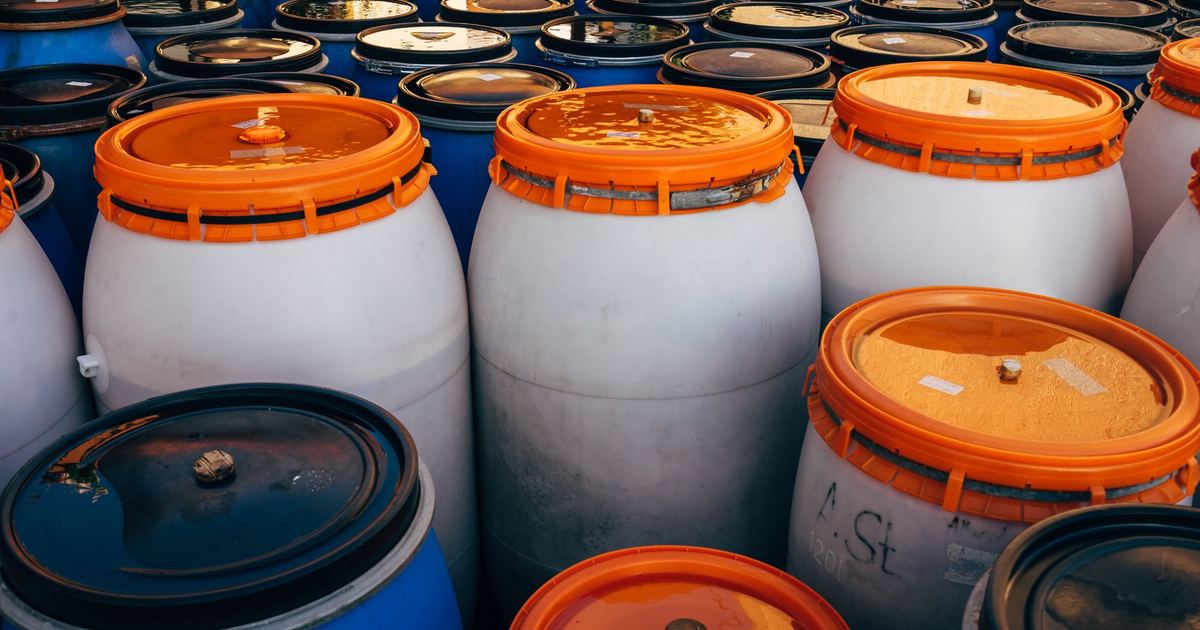
Required licences and procedures
Depending on the chemical category, a business may have to complete one or more of the following procedures before the goods arrive at the port or border gate:
1. Declaration of imported chemicals
This is the most common procedure for businesses importing industrial chemicals under the Law on Chemicals 2025 and its implementing decrees (except for specially controlled chemicals and prohibited chemicals that have been granted an import licence). Declarations are now submitted online through the National Single Window portal. The business receives an automatic confirmation if the dossier is valid. Note that the declaration must be completed before the goods are cleared.
2. Import licence for specially controlled chemicals
Under the Law on Chemicals 2025 (effective 01/01/2026), for specially controlled chemicals the business must hold an import licence issued by the Ministry of Industry and Trade (valid for 6 months and extendable once); prohibited chemicals may be imported only in special cases, under a licence issued for each shipment. This procedure requires the business to demonstrate its storage capability, safety conditions and a clear purpose of use.
3. Export and import licences for precursors
Precursors are chemicals used as raw materials in production but which could also be misused to manufacture narcotics or explosives. Their management is therefore extremely strict, with requirements for usage reporting and close reconciliation of quantities.
Documents the business needs to prepare
To make the specialised inspection run smoothly, VPL recommends that businesses prepare a complete set of documents, including:
| Document type | Basic requirements |
|---|---|
| Safety Data Sheet (MSDS/SDS) | Must contain all 16 sections under international standards, with an accompanying Vietnamese version. |
| Goods labelling | Must show complete hazard warning information and pictograms under the GHS. |
| Contract and invoice | Must clearly state the chemical name, trade name and concentration. |
| Certificate of Analysis (COA) | Demonstrates the composition and purity of the chemical. |
Important notes on physical inspection and sampling
In many cases, customs or the specialised inspection agency will require samples to be taken for analysis at designated laboratories. This is to determine the exact HS code and to check whether the actual goods match the declaration. Businesses should be aware of storage costs while waiting for test results, especially for dangerous goods that require special storage conditions.
How Viet Power Logistics (VPL) can help
With a focus on dangerous goods (DG) transport, VPL provides not only transport services but also support with documents and procedures. We help customers review MSDS, advise on accurate HS code classification and complete chemical declarations quickly on the single-window system. Careful preparation before the goods leave the port of departure helps businesses streamline the process and move towards safe shipping that complies with current laws and regulations.
This article is for general information and was compiled by VPL from public sources at the time of publication. Regulations may change – please contact VPL for advice on your specific shipment.