

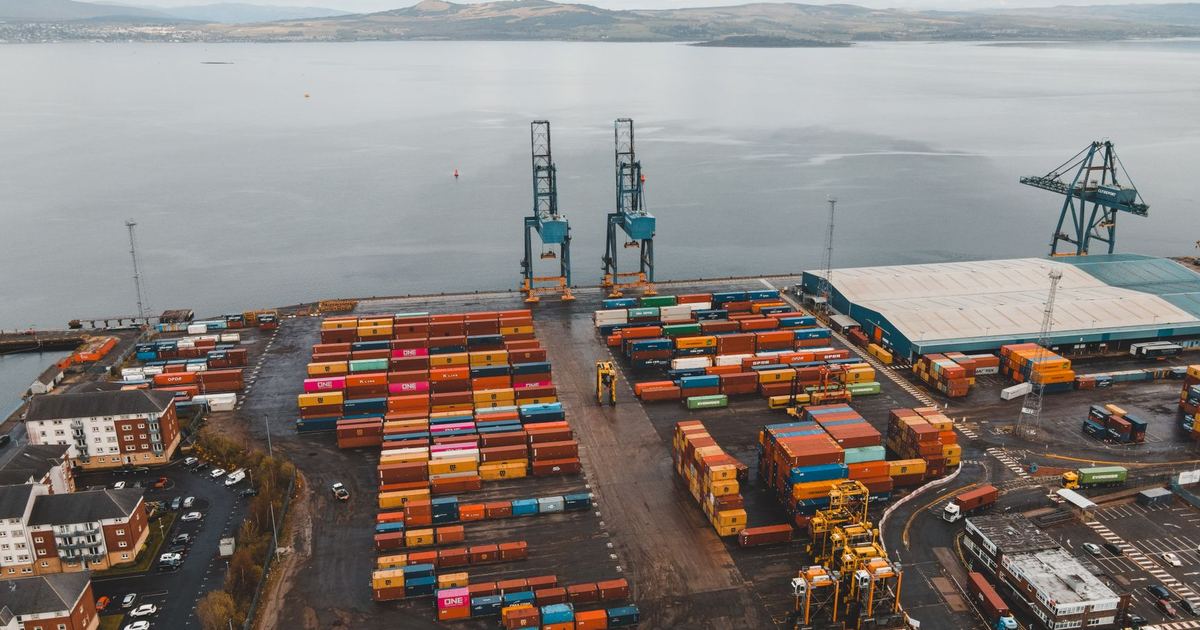
- Cargo consolidation is the method of combining multiple small consignments from different shippers into a single consolidated cargo load.
- Enables shippers to achieve significant freight cost savings compared to dispatching individual loose cargo parcels.
- Minimizes domestic trucking trips and curtails carbon emissions into the environment.
- Demands meticulous schedule coordination and documentation alignment to ensure seamless cargo transit.
What Is Cargo Consolidation in Modern Logistics?
In import and export operations, shippers do not always have sufficient cargo volume to fill a full ocean container (FCL) or an aviation Unit Load Device (ULD). In such cases, less-than-container-load (LCL) or air freight consolidation becomes the preferred choice. Cargo consolidation is the process whereby a consolidator gathers multiple small consignments from various shippers and stows them into a single container or ULD for carriage from port of origin to port of destination.
At VPL, we routinely recommend this solution to small and medium-sized enterprises with regular export volumes that do not warrant full-load shipments. Consolidation allows cargo owners to leverage freight economies of scale while maintaining consistent shipping schedules.
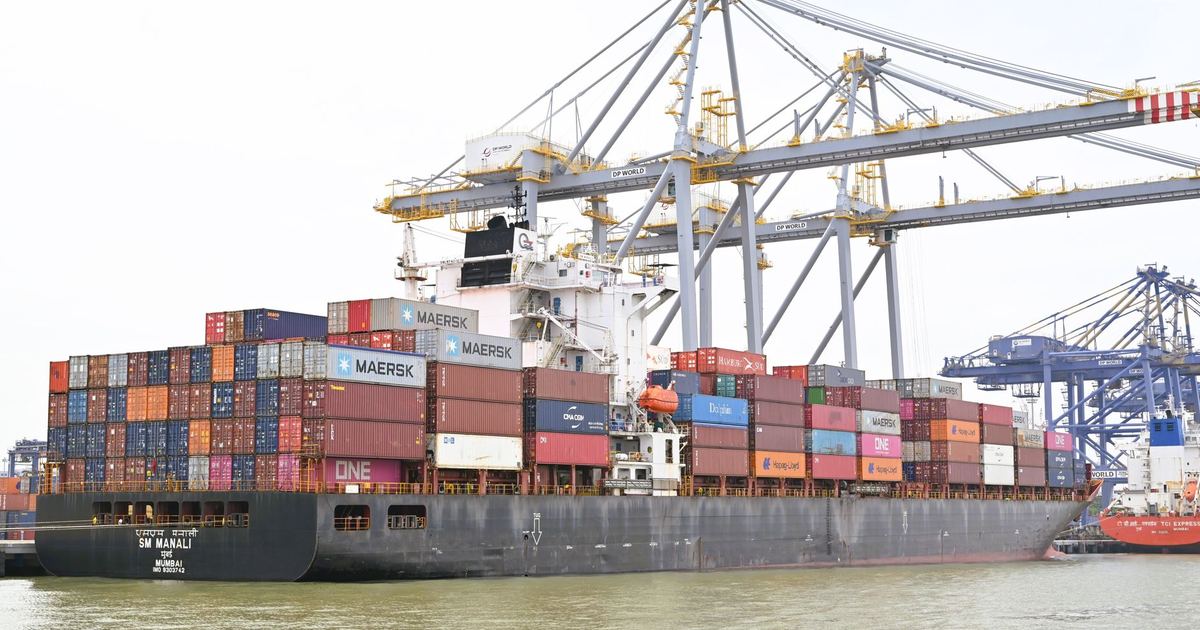
Cost Optimization Benefits for Shippers
Cost management remains a top priority for supply chain managers. Consolidation delivers noticeable savings by sharing transport capacity:
- Freight rate optimization: Instead of paying premium rates for small individual volumes, shippers only pay for the capacity they occupy: for LCL, freight is assessed on revenue tons (the higher of CBM or metric tons, where 1 CBM equals 1,000 kg); for air freight, charges are based on chargeable weight.
- Sharing fixed costs: Per-container charges such as THC and seal fees are apportioned proportionally among shippers, while each shipper pays documentation and CFS charges for its respective consignment.
- Reduced warehousing requirements: Shippers can stage and hand over cargo against the consolidator's fixed cut-off schedules, reducing storage dwell times while waiting to accumulate full loads.
Reducing Truck Runs and Optimizing Domestic Haulage
Beyond optimizing international main-carriage legs, cargo consolidation generates positive operational impacts on inland haulage. Previously, many enterprises engaged dedicated trucks for individual small consignments bound for seaports or airports, resulting in underutilized capacity or excessive trips.
By implementing a consolidation workflow, VPL coordinates with clients to aggregate cargo from multiple production facilities into a central staging hub prior to international transit. This method delivers distinct efficiencies:
- Substantially decreases the number of truck trips on public roads, thereby alleviating traffic congestion in corridors serving seaports and airports.
- Reduces inland trucking procurement expenses for individual small consignments.
- Optimizes turnaround times for loading/unloading and yard gate management.
Tangible Contributions to Emission Abatement and Green Logistics
Against the backdrop of tightening environmental regulations and expanding green logistics initiatives, cargo consolidation serves as a practical measure to curtail a company's carbon footprint:
- Maximizing load factors: Maximizing the volumetric utilization of ocean containers or aircraft spaces allows more payload per fuel unit consumed, reducing emissions per kilogram of freight transported.
- Decreasing inland haulage emissions: Fewer road transport trips directly correlate to reduced internal combustion engine CO2 emissions into the atmosphere.
- Supporting corporate sustainability targets: Enables Vietnamese shippers to progressively meet the green supply chain requirements mandated by global partners.
Key Considerations in Cargo Consolidation and VPL Solutions
While highly advantageous, cargo consolidation demands rigorous timeline management and documentary discipline. Because multiple shippers share a single conveyance, documentation delays by one party can jeopardize departure schedules for the entire box. Furthermore, co-loading necessitates pristine packaging and unambiguous markings and labels to prevent cargo mix-ups at destination deconsolidation facilities.
At VPL, we provide professional ocean and air freight consolidation services integrated with comprehensive customs brokerage and domestic cartage. Our team of specialists verifies shipping documents, advises on proper packaging and cargo handling standards, and arranges optimized schedules to ensure your shipments move smoothly, safely, and cost-effectively.
This article is for general information and was compiled by VPL from public sources at the time of publication. Regulations may change – please contact VPL for advice on your specific shipment.