

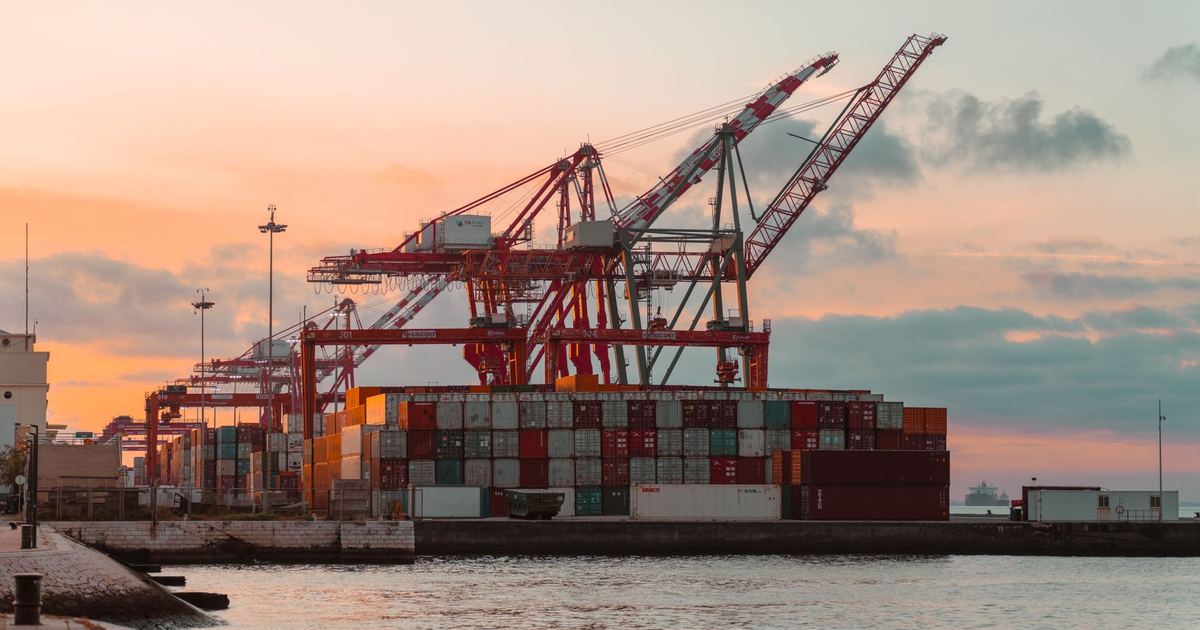
- VGM (Verified Gross Mass) is the total weight of a packed container mandatory for verification before vessel loading under the SOLAS Convention.
- Businesses can determine VGM using Method 1 (weighing the entire container) or Method 2 (weighing individual cargo components plus the container tare weight).
- The responsibility for VGM declaration lies with the Shipper named on the Ocean Bill of Lading.
- Failure to provide VGM or missing the cut-off time leads to risks of rolled cargo, additional storage/shifting costs, and administrative penalties.
In international maritime transport, the "No VGM, No Load" rule has become an immutable principle for every export container. However, in daily operations at Vietnamese seaports such as Cat Lai, Cai Mep, or Hai Phong, many import-export businesses still encounter frustrating incidents: containers held at the port, incurring shifting costs, late penalties, or even booking cancellations by shipping lines due to VGM data errors. This article from the expert team at Viet Power Logistics (VPL) provides a comprehensive analysis of the concept, implementation process, and core considerations to help your business accurately comply with VGM regulations.
1. What is VGM and its Mandatory Origin under the SOLAS Convention
VGM stands for Verified Gross Mass. This is the actual total weight of the entire cargo inside, including packaging, pallets, dunnage (airbags, lashing dunnage), plus the Tare Weight of the container itself.
VGM regulations are not a random administrative procedure by shipping lines but originate from the amendments to the International Convention for the Safety of Life at Sea (SOLAS) under the International Maritime Organization (IMO). Before this regulation officially took effect in 2016, the global maritime industry witnessed a series of serious disasters: container ships breaking in half, capsizing at sea, entire container stacks collapsing on deck, or port cranes collapsing due to overloading. The root cause stemmed from shippers misdeclaring weights (under-declaring to avoid fees or based on subjective estimates), leading captains and port dispatchers to miscalculate the vessel's stowage plan.
For Vietnamese shippers, this regulation establishes clear legal responsibility: a container must have a valid VGM document before the VGM Cut-off time for the shipping line and port to be permitted to include the container in the vessel's loading plan. Without VGM, the vessel must strictly leave the container at the port yard, regardless of how high the cargo value is or how urgently it needs to be delivered.
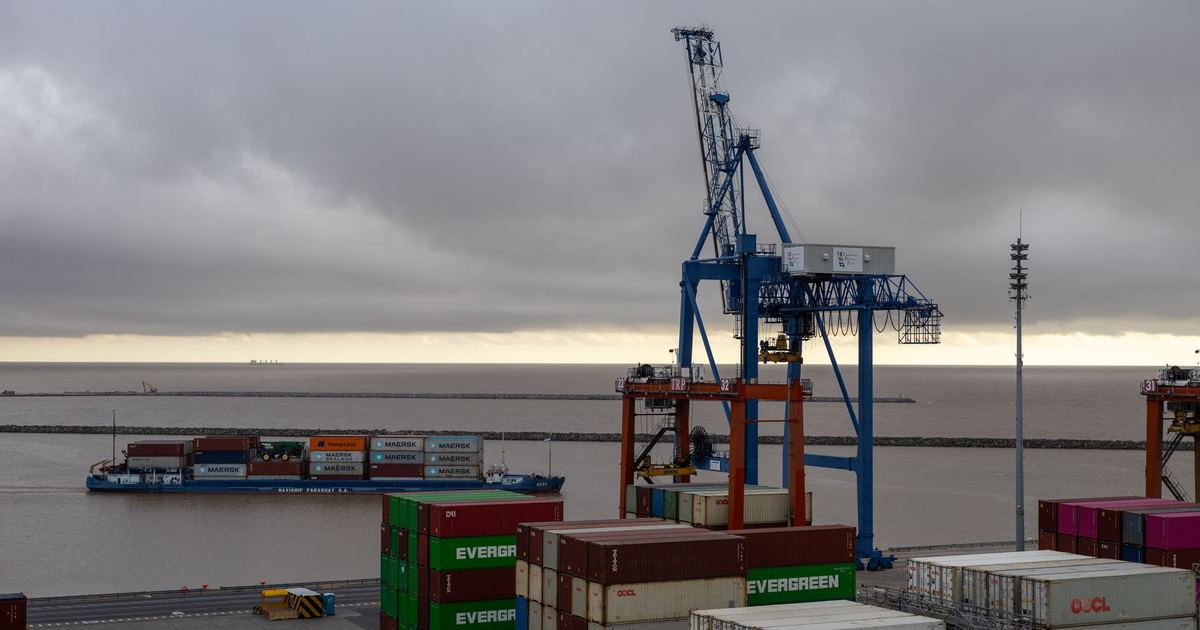
2. Two Accurate Methods for Determining VGM according to Regulations
According to guidance from the IMO and maritime authorities, shippers are only permitted to use one of the two methods below to determine the VGM index. Arbitrary estimation or "guessing" the weight is strictly prohibited.
Method 1: Weighing the entire packed container (Method 1)
With this method, the shipper completes the packing of all goods, secures the lashing, and applies the seal to the container. Subsequently, the tractor-trailer carrying the sealed container is driven through a calibrated weighbridge (usually an electronic weighbridge at an independent station or a specialized station at the port gate).
- Calculation: VGM = Total Mass (Tractor + Trailer + Container) - Mass (Tractor + Trailer). Alternatively, if a reach stacker scale is used, the weight of the container unit is taken directly.
- Suitable Applications: Ideal for agricultural products in large bags, sliced goods, ore, scrap, plastic resins, liquid chemicals in flexitanks, or homogeneous cargo packed to full capacity where it is difficult to separate individual items.
- Practical Situation in Vietnam: Many factories in Binh Duong or Dong Nai often choose to weigh vehicles at service weighbridges near industrial zones before gate-in at Cat Lai, or register for "port weighing" services directly on the electronic port system (such as e-Port) to obtain a weight ticket as a basis for issuing the VGM.
Method 2: Weighing individual components and adding container tare weight (Method 2)
This method allows shippers to calculate based on weighing each detailed component of the shipment before packing it into the container.
- Formula: VGM = Total Net Weight of cargo + Weight of packaging/pallets + Weight of dunnage/lashing materials + Container Tare Weight.
- Obtaining Tare Weight: Container tare weight must not be estimated based on general standards but must be read directly from the top right corner of the exterior door of the specific container provided for that shipment (Tare Weight indicated in kg and lbs).
- Suitable Applications: Highly optimized for businesses in electronics, machinery components, textiles, footwear, and processed food in standard cartons. The business only needs to multiply the net weight per unit by the quantity, then add the known weight of wooden pallets and securing materials.
| Comparison Criteria | Method 1 (Full Container Weighing) | Method 2 (Sum of Components) |
|---|---|---|
| Accuracy | Very high, directly reflects actual mass | Depends on the diligence of internal weighing processes |
| Incurred Costs | Costs for weighbridge/port weighing (approx. several hundred thousand VND/cont) | Saves external weighing costs if internal scales are available |
| Risk of Discrepancy | Low if the weighbridge is properly calibrated | High risk of omitting dunnage weight or recording incorrect Tare Weight |
| Suitable Cargo | Bulk cargo, agricultural products, flexitank liquids, ore | Electronics, garments, standard palletized consumer goods |
3. Legal Responsibility and Mandatory Information on the VGM Document
A common question VPL frequently receives from new shippers: "My shipment is sold under FOB or EXW terms; is weighing and declaring VGM the responsibility of the buyer (Consignee) or someone else?"
According to SOLAS regulations, the Shipper named on the Ocean Bill of Lading is the final and sole legal entity responsible for the accuracy of the VGM provided to the shipping line. Even if you export under FOB terms and a forwarder designated by the buyer handles the container haulage, the responsibility for providing accurate weight information still lies with you as the direct packer and exporter in Vietnam.
A valid VGM document (whether submitted in hard copy or via an electronic data portal) must display the following information fields:
- Shipment Identification: Carrier Booking number, Bill of Lading (B/L) number, Vessel name, and Voyage number.
- Container Information: Container Number and Seal Number.
- Weight Index: Verified Gross Mass (VGM) in Kilograms (kg) or Pounds (lbs), specifying the weighing method used (Method 1 or Method 2).
- Responsible Legal Entity: Shipper's company name along with the full name of the Authorized Signatory.
- Signature and Confirmation: Wet signature/stamp (for hard copies) or digital signature/business account authentication (for EDI/Web Portal electronic filing systems).
Shippers should take special note: No port authority or shipping line will automatically sign the VGM on your behalf. Entrusting an inland transport unit to declare on your behalf must be documented or clearly designated, and the party liable before the law in the event of an accident due to overloading remains the shipper listed on the document.
4. Practical VGM Filing Process and VGM Cut-off Risk Management
To ensure the container is smoothly loaded onto the vessel, the business's import-export department must strictly adhere to the VGM filing schedule according to the following standard process:
Step 1: Identify the VGM Cut-off Deadline
Upon receiving the Booking Confirmation from the shipping line or a freight forwarder like VPL, the first thing to review is the VGM Cut-off time and SI Cut-off time. The VGM Cut-off may coincide with or differ from the Closing time/CY Cut-off depending on the specific regulations of each carrier (such as Maersk, ONE, CMA CGM, Evergreen...) and each loading port.
Step 2: Packing and Weighing for VGM Determination
Execute packing at the factory or warehouse according to standards. If Method 1 is chosen, coordinate the truck to stop at a weighbridge before the port gate or perform weighing at the port terminal's weighbridge. If Method 2 is chosen, the warehouse manager must compile a detailed calculation of the actual weight, capturing a photo of the container door to verify the exact Tare Weight.
Step 3: Data Entry and VGM Submission via Online Channels
Currently, most major shipping lines and seaports in Vietnam have digitized the VGM submission process. Businesses can transmit data through:
- The shipping line's official website (Submit VGM online function).
- Electronic port logistics portals (such as e-Port of Tan Cang Sai Gon, Hai Phong Port Portal).
- Logistics intermediary systems (such as INTTRA, CargoSmart) via forwarder services.
Step 4: Check Confirmation Status and Container Handover
After sending the data, never assume it is complete. The business needs to log back into the system to check if the container status has changed to "VGM Confirmed". If the system reports an error (such as an incorrect container number or weight exceeding the Payload capacity), it must be corrected immediately before the Cut-off time.
5. Consequences of VGM Violations and Handling Incidents
Negligence in weighing and VGM declaration can lead to a chain of massive costs that businesses may not anticipate. Below are common risk scenarios:
Rolled Cargo
If the VGM Cut-off time passes and the shipping line has not received valid data, the Stowage Planner system will automatically exclude your container from the loading list. Consequently, the cargo must remain at the yard waiting for the next vessel (usually a delay of 3 to 7 days). The business will face the risk of penalties from foreign partners for late delivery and breach of commercial contracts.
Surging Port Costs
When a container is rolled, the shipper will have to pay a series of additional service invoices:
- Demurrage & Storage fees for the days spent waiting for the new voyage.
- Shifting container fees for moving from the export area to a temporary storage area.
- Reefer plug-in fees (if it is a refrigerated container or temperature-sensitive chemicals).
- Booking amendment fees and new seal fees if authorities require opening the container for re-inspection.
Allowable Tolerance and Administrative Fines
Although the SOLAS Convention does not provide a global tolerance figure, in many countries and for many shipping lines, the acceptable tolerance usually ranges around ±5% between the declared weight and the actual weight (or not exceeding 500kg - 1,000kg depending on specific regulations). If a container is randomly weighed at the port and found to exceed the declared weight or the container's Max Gross Weight, the shipper will face administrative fines, mandatory offloading, repacking, and all associated costs.
6. Special Notes on VGM for Dangerous Goods (DG) and LCL Cargo
At VPL, as specialists in Dangerous Goods (DG) transport under the IMDG Code and multimodal transport, we note two cases requiring double caution:
For Dangerous Goods (DG) Containers
Chemicals, compressed gases, flammable liquids, or batteries transported by sea carry a very high risk of fire, explosion, and leakage if the load shifts. Therefore:
- Lashing & Dunnage: To keep dangerous goods safe, shipments often use high-strength composite strapping, heavy fumigated wooden pallets, thick corner bracing, and shock-absorbing airbags. The total mass of these materials can range from several hundred kilograms to over 1 ton. If Method 2 is applied and lashing weight is forgotten, the VGM index will certainly be significantly inaccurate.
- Center of Gravity Distribution: The Captain requires an absolutely accurate VGM index to arrange DG containers in strictly regulated positions on the vessel (such as on deck, away from heat sources, engine rooms, and crew cabins). VGM errors for DG containers can lead to the vessel being refused entry at international transshipment ports.
For Less than Container Load (LCL) Cargo
Many shippers exporting small lots (only a few CBM or a few hundred kg) often wonder: "Do I need to submit a VGM for LCL shipments?"
Technically, the shipping line only accepts a single VGM index for a complete FCL container from the Master Shipper. In the case of LCL cargo, the Master Consolidator or Co-loader acts as the Shipper on the carrier's bill of lading; they are responsible for weighing the entire consolidated container after all individual lots are packed.
However, the responsibility of each LCL shipper is to accurately declare the actual Gross Weight of their package to the forwarder in the Packing List. If one shipper misdeclares the weight, the total weight of the LCL container will deviate from the port weight ticket, causing the entire container—containing goods from dozens of different businesses—to be held for inspection.
7. Frequently Asked Questions about VGM (FAQ)
1. Is the VGM allowed to exceed the maximum mass marked on the container door?
Absolutely not. The VGM index must never exceed the Max Gross Mass or Max Gross Weight of the container (usually 30,480 kg or 32,500 kg depending on the container type). If the total weight of the cargo and container exceeds this limit, the container is considered structurally overloaded, and the shipping line will immediately refuse to load it for the safety of the hoisting equipment and the container shell.
2. Under FOB terms, who pays for the VGM weighing cost?
According to Incoterms, under FOB terms, the seller bears all costs and risks until the goods are safely loaded onto the vessel at the port of loading. Since VGM is a mandatory prerequisite for loading, the weighing and filing costs at the export port are the responsibility of the seller (Shipper), unless otherwise agreed in writing in the sales contract.
3. If a VGM weight error is discovered after submission, can it be corrected?
Yes, it can be corrected, provided the amendment request is made before the VGM Cut-off time set by the shipping line. Once the cut-off has passed, intervening to edit system data requires the shipping line to seek exception approval from central dispatch, usually incurring a VGM amendment fee and carrying a high risk of being removed from the loading list if the stowage plan has been finalized.
4. Is it mandatory to use the port's weighbridge to determine VGM?
No. Businesses have the right to use any independent weighbridge outside the factory or along the transport route, provided that the weighbridge is periodically calibrated and holds a valid legal certificate from a competent measurement authority. However, registering for direct weighing at the port gate (e-Port) often optimizes time as weight data is automatically and quickly updated in the shipping line's system, avoiding manual entry errors.
5. Can a VGM document replace a Packing List?
No. VGM and Packing List are two documents with completely different values and purposes. A Packing List is a commercial document detailing the item list, quantity, packaging specifications, and net/gross weight for customs clearance. Meanwhile, VGM is a purely technical maritime safety document that confirms the total mass of the container (including the shell and dunnage) for vessel loading purposes.
Conclusion and Solutions from Viet Power Logistics
Complying with VGM regulations is not only a mandatory legal obligation under the SOLAS Convention but also a measure to protect assets, optimize costs, and maintain the international trading reputation of the exporting business. Proactively establishing standard packing and weighing processes and strictly managing cut-off times will eliminate all unforeseen risks at the port yard.
With extensive experience in international transport, door-to-door freight forwarding, and specialized strengths in Dangerous Goods (DG) under IMDG Code standards, Viet Power Logistics (VPL) is ready to partner with your business. We provide integrated solutions from safe lashing consultation, support for accurate port-entry weighing processes, and electronic VGM data management to rapid customs clearance, ensuring your maritime supply chain always operates safely and cost-effectively.
This article is for general information and was compiled by VPL from public sources at the time of publication. Regulations may change – please contact VPL for advice on your specific shipment.