


- Analyzing the nature of Scope 3 emissions and greening pressures from major import markets.
- Guidelines for calculating CO2e emissions based on the tonne-kilometer (tkm) index in international transport.
- Practical emission reduction solutions through modal optimization, packaging, and consolidation.
- Developing an ESG reporting integration and green transformation roadmap with Viet Power Logistics.
Overview of carbon footprint and greening requirements in the international supply chain
In the context of global trade shifting strongly towards sustainable development goals, the concept of green logistics has become a key factor determining the competitiveness of Vietnamese import-export enterprises. Green logistics does not stop at planting trees or reducing plastic waste in the office; it encompasses the entire process of measuring, managing, and reducing greenhouse gas (GHG) emissions generated from transportation, warehousing, packaging, and distribution activities.
In the GHG accounting system, emissions from logistics and transport activities usually fall under Indirect Scope 3 Emissions. These are emissions arising from a company's extended value chain, including freight transport from suppliers to warehouses and onward to international customers. For enterprises exporting goods to demanding markets such as the EU, North America, or Japan, international customers increasingly require transparency in carbon emission data per unit of product (Carbon Footprint per Product).
Reality in Vietnam shows that many manufacturing and exporting enterprises in agriculture, textiles, electronics, or chemicals are facing difficulties when dealing with green regulations from importing countries. If they do not proactively measure and have plans to reduce emissions in the supply chain, enterprises not only face the risk of losing orders to competitors with green certifications but also have to bear additional costs when carbon border adjustment mechanisms are widely applied.
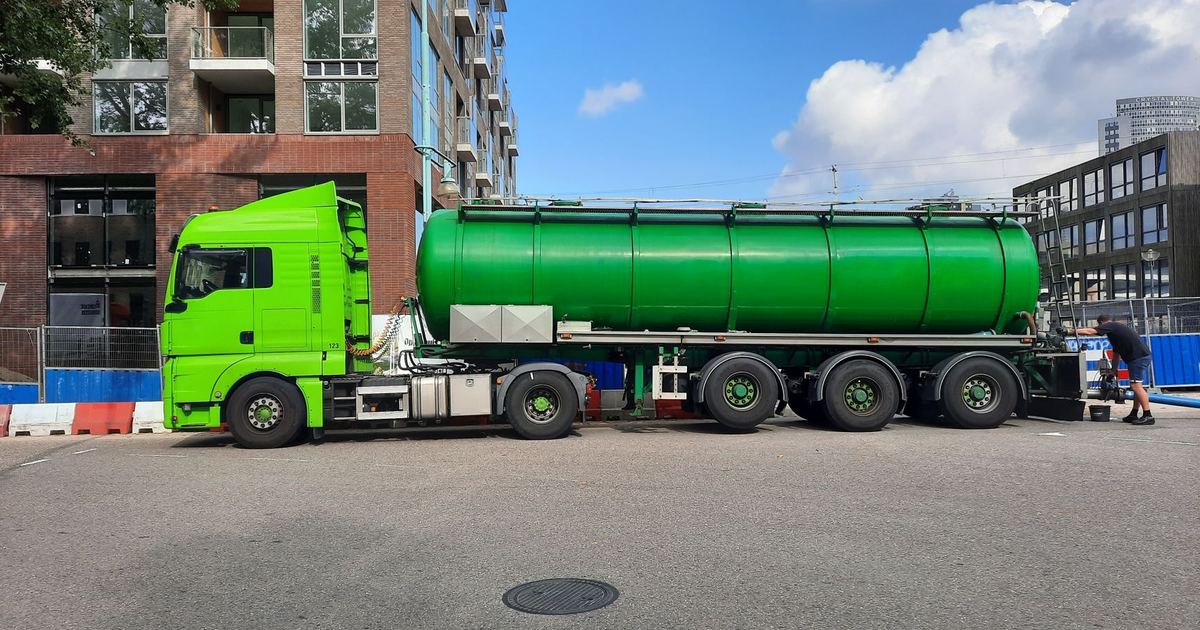
Measurement and calculation methods for greenhouse gas emissions in transport
For effective management, the first principle is that it must be measurable. In international logistics, the most basic index used to calculate the carbon footprint of transport activities is tonne-kilometer (t.km or tkm), reflecting the amount of cargo (in tonnes) transported over a certain distance (in kilometers).
The basic formula for calculating CO2 equivalent (CO2e) emissions in a shipment is determined as follows:
CO2e emissions (kg) = Cargo Weight (Tonnes) × Transport Distance (km) × Emission Factor
Emission factors vary significantly depending on the selected mode of transport:
| Transport Mode | Relative Emission Characteristics | Impact Level on Carbon Footprint |
|---|---|---|
| Air Freight | Very High | 20 to 50 times higher than sea freight over the same distance |
| Trucking | Medium - High | Depends on vehicle payload and fuel type consumed |
| Rail Freight | Low | Optimal for long inland routes |
| Ocean Freight | Very Low | The mode with the lowest emission per tonne-km |
Consider a practical scenario: An enterprise in Ho Chi Minh City needs to export a 5-tonne shipment of electronic equipment to Frankfurt (Germany). If transported entirely by air, CO2e emissions could reach tens of tonnes. However, by switching to Sea-Air multimodal transport (sea freight from Cat Lai Port to an intermediate transshipment hub, then short-haul air freight for the remaining leg), the enterprise can reduce total carbon emissions by 30% to 50% while still ensuring a more reasonable delivery time compared to pure sea freight.
Emission reduction solutions in sea and air transport
To implement an effective greening strategy without adversely affecting costs and delivery schedules, import-export enterprises can apply the following groups of technical and operational solutions:
1. Modal Shift & Route Optimization
Modal shift is the fastest way to reduce the carbon footprint. Enterprises should review production plans to prioritize using sea freight (FCL/LCL) for shipments that are not time-critical. When air freight is mandatory, choosing direct flights instead of transiting through multiple points helps reduce fuel consumption during takeoff and landing cycles.
2. Applying sustainable fuel initiatives
In air transport, the use of Sustainable Aviation Fuel (SAF) is being expanded by international airlines. In sea transport, major shipping lines are transitioning to vessels powered by LNG, Green Methanol, or Ammonia. Although green fuel costs are currently high, partnering with logistics providers that have Carbon Offset programs or agreements to use green fuels helps enterprises proactively accumulate clean emission certificates.
3. Load Factor Optimization
Transporting empty containers or packages means wasting fuel and emitting uselessly. Applying LCL consolidation solutions or optimizing stowage plans helps maximize container capacity, thereby reducing the number of inland drayage trips and containers required on vessels.
Optimizing packaging and Reverse Logistics
Packaging accounts for a significant proportion of waste emissions and transport weight. Greening the packaging stage is a solution that brings immediate efficiency that exporting enterprises can autonomously implement.
- Reducing packaging weight and volume: Use packaging that fits the product size, eliminating excess space. In air freight, reducing Volume Weight not only helps reduce freight costs but also directly reduces aircraft fuel emissions.
- Using recycled and bio-based materials: Replace plastic wrap and foam with recycled carton boxes, honeycomb paper padding, or biodegradable bioplastics.
- Managing specialized packaging for Dangerous Goods (DG): When transporting dangerous goods according to IATA DGR or IMO IMDG Code standards, packaging must meet strict UN safety standards. Enterprises need to combine international safety standards with the prioritization of eco-friendly, reusable dunnage materials.
- Developing Reverse Logistics systems: Recovering wooden pallets, plastic crates, and specialized containers after delivery for reuse, minimizing waste generated in the environment at the destination.
Building a green logistics strategy and integrating ESG reporting for enterprises
Green transformation is not a short-term campaign but a process of continuous improvement. To integrate green logistics into a company's ESG (Environmental - Social - Governance) reporting strategy, standardized implementation steps include:
- Baseline Audit: Inventory all transport data for the year, calculating total CO2e emissions generated by route and transport mode.
- Setting reduction targets: Build a clear emission reduction roadmap by stage (e.g., reducing Scope 3 transport emissions by 15% by next year).
- Selecting Green Logistics partners: Partner with logistics service providers (3PL/4PL) capable of providing transparent emission data, possessing modern management systems, and offering optimized transport solutions.
- Integrating data into ESG reports: Standardize transport emission data according to international standards such as the GLEC Framework or ISO 14064 to serve audits by foreign customers.
At Viet Power Logistics (VPL), we understand that greening strategies must go hand-in-hand with optimizing the enterprise's operating costs. With core strengths in air freight, FCL/LCL sea freight, IATA/IMDG-standard Dangerous Goods (DG) handling, and comprehensive door-to-door forwarding services, VPL always proactively advises customers on optimal routing, efficient consolidation, and provides transparent transport metrics. We accompany Vietnamese import-export enterprises on the journey to meet global green standards in the most safe and economical way.
Frequently Asked Questions about green logistics and emission reduction
Does green logistics increase the transport costs of import-export enterprises?
In the short term, some solutions such as using green fuel (SAF) or bio-based packaging materials may incur higher input costs. However, in the long run, optimizing packaging volume, efficient consolidation, and reducing empty backhauls will help reduce total freight costs. Simultaneously, green logistics helps enterprises avoid carbon tax penalties and maintain export orders.
How can enterprises obtain CO2 emission data for import-export shipments?
Enterprises can request their logistics service provider (Forwarder) to provide emission reports based on bill of lading data (AWB or B/L), route distances, and standardized emission factors. At VPL, we support customers in aggregating transparent transport information to serve internal reporting and ESG audit needs.
Can Dangerous Goods (DG) transport apply green logistics standards?
Absolutely. Although dangerous goods must strictly comply with IATA DGR and IMDG Code packaging and labeling regulations to ensure maximum safety, enterprises can still green their operations through route optimization, selecting appropriate multimodal transport, and using recyclable pallets and dunnage materials.
Which transport mode is currently the most environmentally friendly?
Ocean Freight and Rail Freight are the two modes with the lowest greenhouse gas emissions per tonne-kilometer. Therefore, switching from air freight to sea freight or Sea-Air multimodal transport is a leading solution to rapidly reduce the carbon footprint.
Where should Small and Medium Enterprises (SMEs) start with green logistics?
SMEs should start with the simplest and most practical steps: optimizing carton box specifications to avoid wasting volume, prioritizing LCL consolidation instead of shipping under-loaded containers, and coordinating closely with logistics partners for early transport planning to proactively choose sea freight instead of urgent air freight.
This article is for general information and was compiled by VPL from public sources at the time of publication. Regulations may change – please contact VPL for advice on your specific shipment.