

- How to distinguish and calculate Chargeable Weight in air freight.
- Cargo categories from general cargo to special cargo (DG, PER, VAL).
- The role and function of the Air Waybill (AWB).
- A standard operating process that helps businesses optimise time and cost.
Why Is Air Freight the Top Choice for High-Value Cargo?
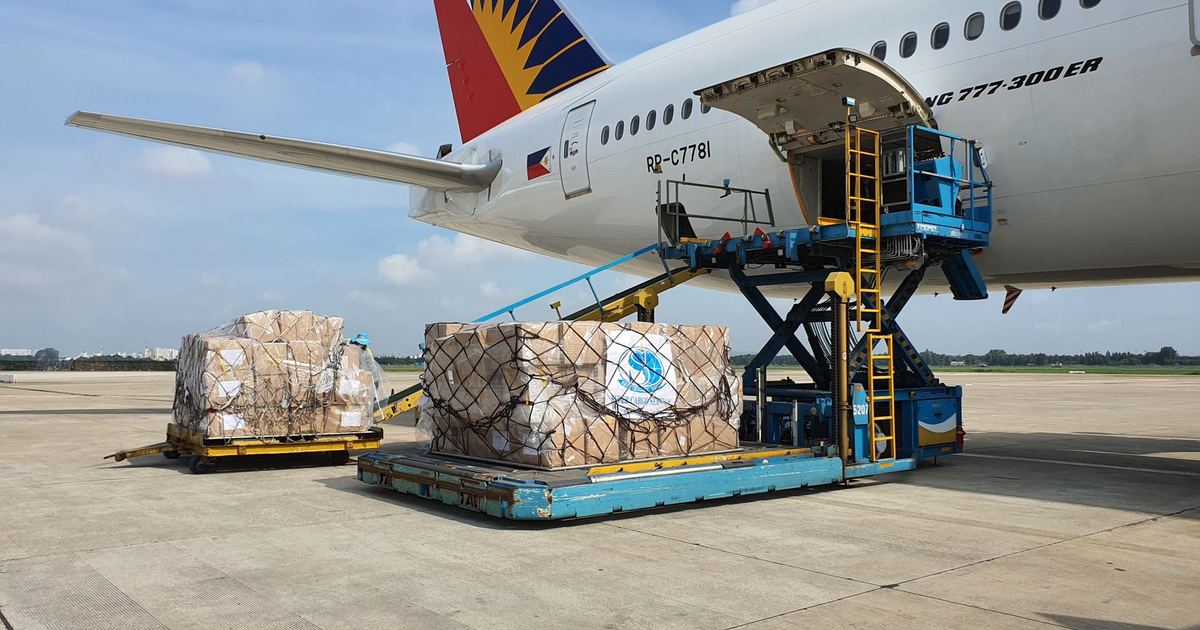
In global supply chains, air freight is the lifeline for shipments that need speed and absolute safety. Although it usually costs more than sea freight, air transport offers undeniable advantages: the fastest transit time, a low risk of damage or loss, and often cheaper insurance premiums because of the short transit time. At VPL, we see businesses commonly prefer this mode for electronic components, pharmaceuticals, high-end fashion and, in particular, dangerous goods that require strict control.
Chargeable Weight: Understand It to Optimise Costs
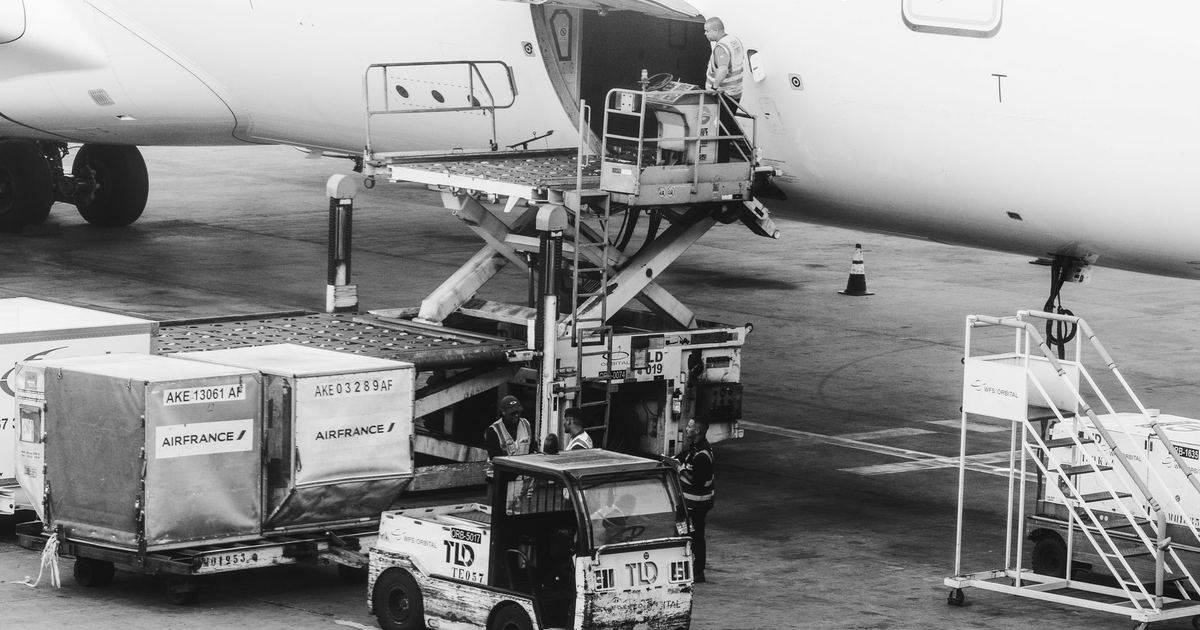
One of the most important things a shipper needs to know is how airlines calculate freight charges. Unlike road transport, air freight is charged on the greater of the Gross Weight and the Volume Weight.
The standard IATA conversion formula is commonly applied as follows:
Volume weight (kg) = [Length x Width x Height (cm)] / 6000
Example: A package weighs 50 kg but measures a large 100x100x100 cm. Its volume weight is (100x100x100)/6000 = 166.67 kg. The airline will then charge on 167 kg, not 50 kg. Understanding this rule helps businesses plan compact packing and minimise wasted space to save costs.
Cargo Categories in Air Freight
Cargo moved by air falls into two main groups with different handling requirements:
1. General Cargo
These are items with no special requirements for storage, packing or handling. Examples: garments, footwear, household goods and ordinary machine parts.
2. Special Cargo
This group requires complex handling procedures and strict compliance with IATA regulations:
- Dangerous Goods (DG): Including chemicals, lithium batteries, compressed gas cylinders and more. This is VPL's core strength, with MSDS control procedures and DGR-compliant packing.
- Perishable Cargo (PER): Fresh food, fresh flowers and vaccines that need temperature control.
- Valuable Cargo (VAL): Gold, gemstones, currency, valuable documents, or cargo with a very high declared value per kg under IATA rules.
- Live Animals (AVI): Subject to rules on containers and special care.
The Air Waybill (AWB) and Related Documents
The Air Waybill (AWB) is the most important document: it serves as the contract of carriage, the receipt for the cargo and evidence of cargo insurance (if any). Businesses should distinguish the two common types of AWB:
| Criteria | Master Air Waybill (MAWB) | House Air Waybill (HAWB) |
|---|---|---|
| Issued by | The airline | The forwarder |
| Shipper | Forwarder at the airport of departure | The actual cargo owner (exporter) |
| Consignee | Forwarder at the airport of destination | The actual buyer (importer) |
Besides the AWB, the basic document set also includes the commercial invoice, packing list, certificate of origin (C/O) and sector-specific permits depending on the type of goods.
Operating Process for a Standard Air Shipment
For a shipment to move smoothly from the seller's warehouse to the buyer, the process usually goes through the following steps:
- Booking: The business contacts VPL for flight schedules and freight rates.
- Packing and labelling: Make sure the cargo withstands air pressure and handling. For DG in particular, warning labels must be of the correct size and placement.
- Export customs clearance: Prepare the documents and transmit the customs declaration.
- Delivery to the airport warehouse (TCS/SCSC): The cargo is weighed, measured and security screened (X-ray).
- International transport: The cargo is loaded on the aircraft according to the schedule.
- Import customs clearance and delivery: After the aircraft lands, VPL's agent assists with clearance formalities and door-to-door delivery.
Advice from VPL for Businesses
Air freight demands extreme accuracy in timing and documentation. A small error in the cargo description or weight declaration can cause the cargo to miss its flight and incur costly storage fees at the airport. For sensitive items such as lithium batteries or chemicals, choosing a partner with in-depth knowledge of the IATA DGR is vital to ensuring flight safety.
With a focus on air freight and dangerous goods, VPL is ready to accompany your business from packing advice and document checks through to delivery into the hands of your partner. We do not just move cargo; we move our customers' peace of mind.
This article is for general information and was compiled by VPL from public sources at the time of publication. Regulations may change – please contact VPL for advice on your specific shipment.