

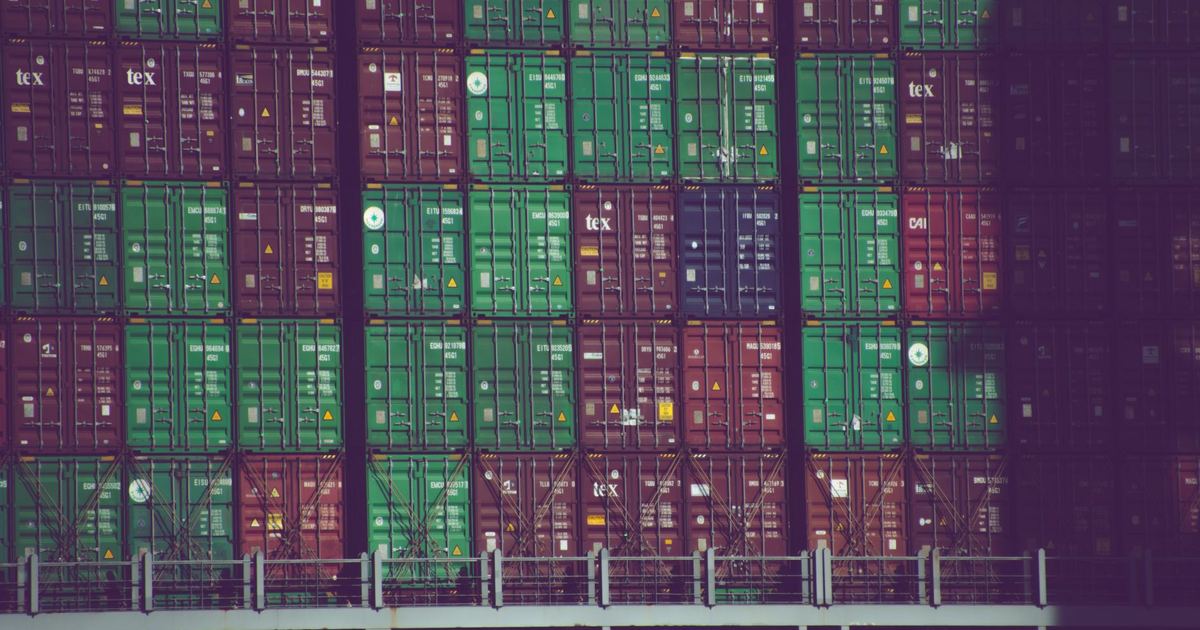
- Green logistics focuses on mitigating the adverse environmental impacts generated across the supply chain.
- Pressures from international markets, including the EU CBAM and buyer emissions reporting requirements, make green transition imperative.
- Core solutions encompass maritime and air freight route optimization alongside eco-friendly packaging.
- VPL supports cargo owners with compliant transport solutions, particularly for dangerous goods.
Green Logistics: From Trend to Mandatory Imperative
Amid global climate change, the concept of "Green Logistics" has transitioned from an industry buzzword into a critical survival strategy for global supply chain stakeholders. In Vietnam, as a vital link in global import-export operations, the shift toward eco-friendly transport and warehousing models is accelerating faster than ever. At Viet Power Logistics (VPL), we recognize that green logistics extends beyond environmental stewardship; it is an avenue to optimize operational costs and enhance international competitiveness for Vietnamese enterprises.
What Constitutes Green Logistics in Import-Export Operations?
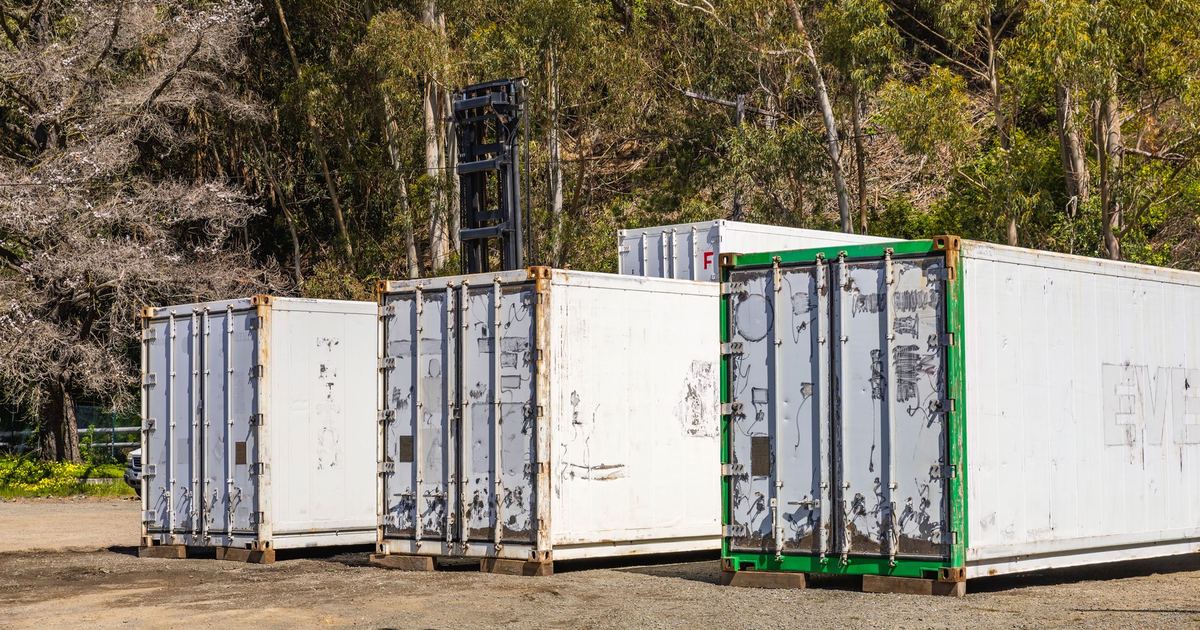
Green logistics is defined as systematic efforts to minimize the negative environmental footprints of freight operations. This encompasses cutting carbon emissions, minimizing waste, and optimizing energy and natural resource utilization throughout the end-to-end journey from production and transport to end consumers. For an import-export enterprise, green logistics materializes across numerous touchpoints: selecting low-emission transport modes, utilizing recyclable packaging, and optimizing payload capacity to eliminate unnecessary transport runs.
Why Must Vietnamese Enterprises Prioritize Green Logistics?
Regulatory pressure from global markets is the foremost driver. Major destinations including the EU, the United States, and Japan are enforcing stricter environmental compliance standards. For instance, the EU has instituted the Carbon Border Adjustment Mechanism (CBAM) across designated sectors, while international consignees increasingly mandate greenhouse gas (ESG) emissions reporting from suppliers. Failing to adapt jeopardizes the price competitiveness and reputation of Vietnamese cargo. Furthermore, adopting green logistics optimizes operations: scientifically routed transport not only curtails emissions but directly drives down fuel costs and transit dwell times. At VPL, we routinely consult clients on multimodal, integrated logistics solutions to achieve these dual objectives.
Comparing Traditional Logistics and Green Logistics
| Criteria | Traditional Logistics | Green Logistics |
|---|---|---|
| Core Objective | Minimize cost and lead time | Balance cost, lead time, and environmental impact |
| Transport Mode Selection | Prioritizes transit speed and low freight rates | Prioritizes low-emission modes and payload optimization |
| Packaging Materials | Single-use, convenience-driven | Recyclable and reusable packaging solutions |
| Waste Management | Minimal emphasis | Maximizes recycling and compliant waste handling |
Practical Solutions for Greening the Supply Chain
1. Ocean Freight and International Maritime Standards
Ocean shipping serves as the backbone of international trade. Under prevailing International Maritime Organization (IMO) regulations, commercial vessels must adhere to stringent fuel sulfur caps. Transitioning to alternative fuels or installing exhaust gas cleaning systems (scrubbers) represents a pivotal step. Additionally, slow steaming is widely practiced to curtail bunker fuel consumption. For dangerous goods (DG), strict adherence to the IMDG Code not only prevents fires and explosions but also safeguards against chemical spillage polluting marine environments—a foundational pillar of green logistics.
2. Sustainable Air Freight
The International Air Transport Association (IATA) has committed to achieving net-zero carbon emissions by 2050. Accelerating the adoption of Sustainable Aviation Fuel (SAF) and modernizing aircraft fleets are critical to this roadmap. Shippers can actively contribute by booking with green-committed air carriers and optimizing packaging dimensions to lower chargeable weight, directly reducing aviation fuel burn.
3. Packaging and Warehousing Optimization
Deploying recyclable packaging drastically cuts plastic waste. Within freight hubs and distribution centers, rooftop solar energy and electric material handling equipment (MHE) are establishing the new industry standard. VPL encourages shippers to implement reusable pallets and engineered packaging designs to maximize container cubing in Full Container Load (FCL) and Less than Container Load (LCL) consignments.
Green Logistics and Dangerous Goods (DG) Management
A containment breach or thermal runaway incident involving chemicals or lithium batteries during transit causes severe asset loss and triggers ecological catastrophes. Full compliance with the IATA DGR and IMDG Code regarding packaging, hazard labeling, marking, and segregation is the most practical form of environmental protection. At VPL, our dedicated DG specialists ensure every consignment is safely handled, mitigating environmental incident risks to the absolute minimum.
Long-Term Benefits and Partnering with VPL
Investing in green logistics solidifies corporate social responsibility, streamlines entry into global supply networks, and generates tangible cost savings through operational efficiencies. Viet Power Logistics (VPL) is committed to serving as a trusted freight forwarding partner for Vietnamese traders. Beyond providing multimodal freight transport and customs brokerage services, we actively assist shippers in engineering sustainable supply chains. Partner with us to build a greener future for Vietnam's logistics sector.
This article is for general information and was compiled by VPL from public sources at the time of publication. Regulations may change – please contact VPL for advice on your specific shipment.