

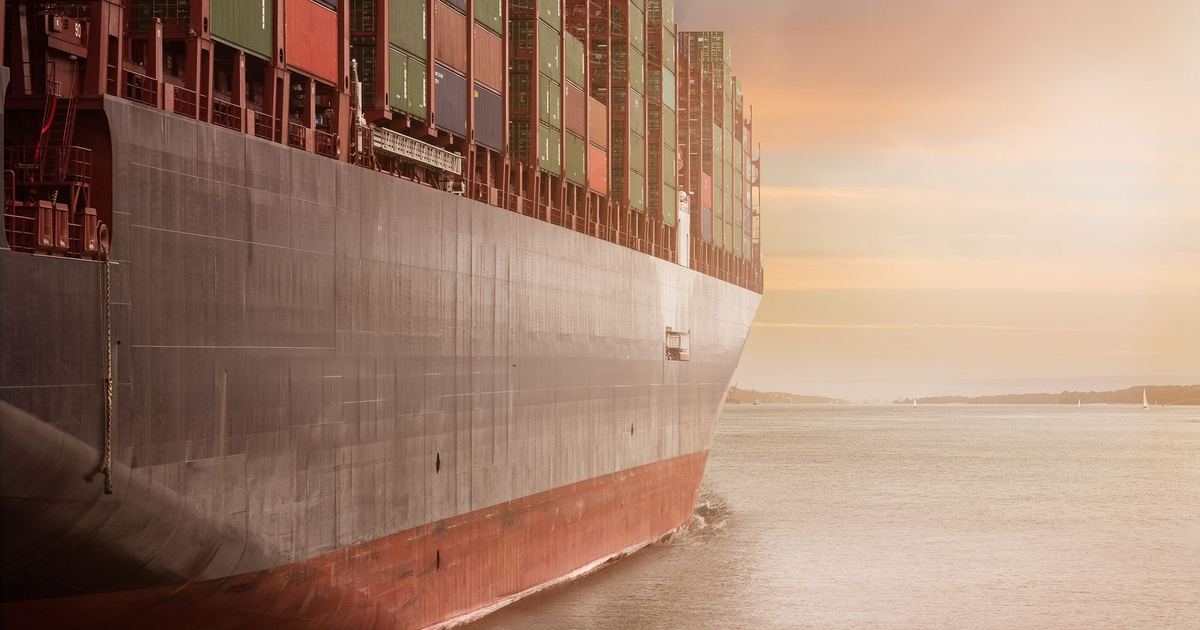
- Green logistics is no longer a symbolic slogan but a mandatory competitive criterion for participating in global supply chains.
- Selecting appropriate transport modes, deploying multimodal transport, and freight consolidation play a pivotal role in reducing carbon footprints.
- Greening packaging, standardizing packing, and safe handling of special cargo minimize environmental risks and eliminate chargeable volumetric waste.
- Digitalizing transport documentation coupled with inland route optimization delivers dual benefits: cutting CO2 emissions and reducing direct operating costs.
1. Bối cảnh mới của ngành vận tải: Logistics xanh trở thành yêu cầu sống còn
For decades, international and domestic freight forwarding focused primarily on three core pillars: lowest cost, fastest transit times, and delivery schedule reliability. However, faced with the tangible impacts of global climate change, the logistics industry is undergoing a profound restructuring. Transport and warehousing activities currently account for a substantial share of global greenhouse gas emissions. For this reason, major import markets such as the European Union, North America, and Northeast Asia are tightening technical barriers and environmental standards across inbound supply chains.
In Vietnam, exporters of textiles, footwear, electronics, seafood, and chemicals are beginning to feel this pressure distinctly. Many multinational corporations and international procurement partners now not only require product quality certifications but also integrate supply chain emission metrics into their periodic vendor scorecards. Even if an enterprise possesses strong manufacturing capabilities, relying on a high-emission transport chain with opaque environmental data may lead to lost contracts or stringent carbon border taxes imposed by destination countries.
At VPL, we observe that for most Vietnamese small and medium-sized enterprises (SMEs), approaching green logistics often faces a psychological barrier regarding initial capital expenditure. However, when properly understood and executed, green logistics is not a sunk cost, but a strategy to eliminate operational waste: wasted stowage space, empty backhauls, port dwell time, and administrative paper resources. Green transition is the most fundamental optimization of supply chain efficiency.
2. Tối ưu hóa phương thức vận tải: Lựa chọn trọng tâm để giảm dấu chân carbon
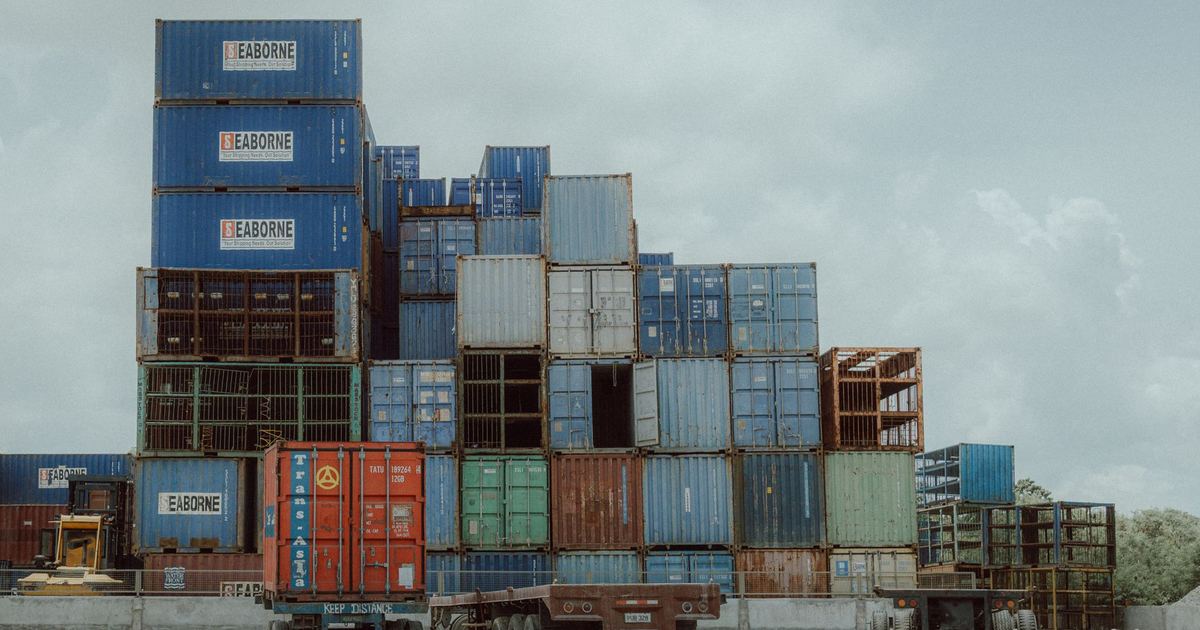
The transport mode is the single largest greenhouse gas emission generator across the entire logistics supply chain. In terms of emissions per ton-kilometer (ton-km), air freight generates the highest carbon emissions, followed by road haulage, rail freight, and ocean shipping via ultra-large container vessels at the lowest end. Therefore, methodical transport planning and agile multimodal orchestration represent the primary solutions for cutting emissions.
A frequent operational scenario among Vietnamese importers and exporters is over-reliance on expedited air freight shipments. The root cause typically stems from production schedules misaligned with raw material lead times or inaccurate inventory forecasting. As international commercial delivery deadlines approach, shippers are compelled to switch to air freight to recover lost time, causing freight costs to surge by 4 to 6 times and carbon emissions to multiply dozens of times compared to ocean freight.
To address this challenge, VPL recommends that cargo owners implement Sea-Air combined transport solutions or optimize multimodal routing. For instance, for outbound shipments bound for Europe or North America, cargo can be carried by sea to major transshipment hubs in the Middle East or Southeast Asia, and then connected via air freight to final destinations. This solution cuts costs and emissions by 30-50% compared to direct all-air routing, while cutting transit times by half compared to conventional ocean freight.
| Phương thức vận tải | Mức độ phát thải CO2 (tương đối) | Thời gian vận chuyển | Khuyến nghị áp dụng cho chuỗi cung ứng xanh |
|---|---|---|---|
| Air Freight | Very High | 1 - 5 days | Strictly for high-value cargo, commercial samples, and urgent pharmaceuticals |
| Multimodal (Sea-Air) | Moderate | 10 - 18 days | Optimal balance between transit lead time and emission reduction |
| Ocean Freight (FCL/LCL) | Lowest | 15 - 45 days | Applicable for the vast majority of planned commercial cargo |
| Road-Rail Combined Transport | Moderate - Low | Flexible | Progressively replacing long-haul road trucking along the North - South corridor |
3. Xanh hóa khâu đóng gói, lưu kho và quản lý hàng hóa đặc thù
Packaging and warehouse handling are major sources of solid waste and energy consumption in the freight chain. The green logistics trend requires enterprises to shift decisively from single-use packaging materials—such as plastic stretch film and non-biodegradable styrofoam—to recycled materials, biodegradable alternatives, or closed-loop reusable packaging systems (such as recycled plastic pallets and standardized collapsible containers).
In particular, within VPL's core domain of expertise—the carriage of Dangerous Goods (DG) governed by IATA DGR and the IMO IMDG Code—the "green" element is inextricably linked to "absolute technical safety." A spill or leak of corrosive chemicals, toxic substances, or a fire/explosion involving lithium batteries not only causes casualties and property loss, but also inflicts catastrophic harm on marine ecosystems and adjacent soil and water environments. Therefore, strict adherence to UN-certified packaging specifications, standardized hazard labeling, and approved absorbent containment materials constitutes the most direct and practical environmental protection measure.
Furthermore, green packaging involves optimizing package volumetric filling ratios. When exporters pack goods into cartons disproportionately larger than the actual product dimensions, the resulting empty space ("air shipping") inflates the chargeable weight in air freight and occupies useless container capacity. By designing snug, form-fitting packaging, reinforcing structural integrity, and utilizing smart dunnage or molded trays, shippers minimize packaging materials while maximizing pallet utilization, thereby reducing the number of trucks required on the road.
4. Số hóa chứng từ và tối ưu hóa tuyến đường vận tải nội địa
One of the fastest and most cost-effective steps toward greening freight forwarding operations is accelerating document workflow digitalization. In traditional logistics models, an export or import shipment consumes dozens to hundreds of paper sheets: ocean bills of lading, airway bills, customs declarations, cargo manifests, packing lists, certificates of origin, and specialized regulatory permits. This manual workflow not only consumes paper and printing supplies, but also generates indirect emissions from physical courier deliveries among involved parties.
Implementing electronic Air Waybills (e-AWB), electronic Bills of Lading (eBL), and processing electronic customs clearance via the National Single Window portal establish a solid foundation to eliminate this waste entirely. In addition, technical dossiers such as Material Safety Data Sheets (MSDS/SDS) or Lithium Battery Test Summaries (UN 38.3 Test Summary) can now be stored and verified in digital data formats, slashing document preparation lead times from several business days to just hours.
In inland road drayage from manufacturing plants to Cat Lai Port, Cai Mep Port, or Tan Son Nhat Airport, green logistics is realized through Route Optimization technology and transport asset consolidation. Trucks delivering laden cargo to ports and returning empty (empty running) cause severe fuel waste and compounded emissions. By partnering with professional freight forwarders such as VPL, cargo owners can leverage cargo consolidation solutions, round-trip dispatching, and scheduled dispatch windows to avoid urban peak-hour traffic congestion.
5. Lộ trình 4 bước chuyển đổi logistics xanh cho doanh nghiệp Việt Nam
To ensure green logistics does not remain a mere theoretical concept, importers and exporters require a structured, measurable, and financially viable implementation roadmap. VPL suggests the following 4-step practical framework:
- Kiểm kê và đo lường dấu chân carbon hiện tại: Enterprises should collaborate with logistics partners to measure emissions generated across regular transport lanes, identifying hotspots with the highest emission levels (e.g., domestic air freight or long-haul trucking).
- Rà soát thiết kế bao bì và quy cách đóng gói: Analyze package volumes, eliminate excessive void space, replace cushioning with recycled or biodegradable alternatives, and standardize packaging dimensions to match international standard pallet sizes to optimize container stowage.
- Cơ cấu lại phương thức vận tải và điều khoản thương mại: Shift predictable shipments from air freight to ocean or multimodal transport wherever feasible; evaluate appropriate Incoterms rules to proactively retain routing control and select green transport partners rather than relying entirely on overseas buyer nominations.
- Chọn lựa đối tác logistics có cam kết và giải pháp xanh: Partner with forwarders offering digital management systems, transparent carbon reporting capabilities, deep expertise in international safety regulations, and robust consolidation networks to maximize vehicle load factors.
6. Câu hỏi thường gặp về logistics xanh (FAQ)
Logistics xanh có làm tăng chi phí vận chuyển của doanh nghiệp không?
In the short term, certain costs—such as upfront investments in eco-friendly packaging materials—may be slightly higher than conventional materials. However, on the whole, green logistics drives substantial cost savings by lowering volumetric chargeable weight, reducing empty backhauls, eliminating paper waste, and mitigating carbon border adjustment taxes in destination markets.
Doanh nghiệp vừa và nhỏ (SMEs) nên bắt đầu logistics xanh từ đâu?
SMEs should begin with the most accessible steps: digitalizing all document archiving workflows, rightsizing packaging cartons to eliminate void space, and collaborating with freight forwarders for Less-than-Container Load (LCL) consolidation or multimodal routings instead of booking individual expedited shipments.
Vận chuyển hàng nguy hiểm (DG) có thể áp dụng logistics xanh được không?
Absolutely. For Dangerous Goods, the core green priority lies in absolute safety to prevent any risk of spills, leaks, or chemical release into the natural environment. Accurate classification under IATA DGR/IMDG Code, deployment of certified UN packaging specifications, and optimized routing represent the most practical manifestation of green logistics in this specialized sector.
Chứng từ vận tải điện tử có giá trị pháp lý tương đương chứng từ giấy không?
Under international legal frameworks and current Vietnamese regulations, electronic records—including electronic customs declarations, e-AWB, and eBL—are increasingly recognized by customs authorities, carriers, and international trade settlement banks, offering full legal validity and compliance for cargo owners.
Làm thế nào để đo lường lượng phát thải CO2 của một lô hàng xuất khẩu?
Emissions are typically calculated based on cargo weight, transport distance, and specific emission factors for each mode of transport (aircraft, ocean vessel, heavy truck). Enterprises can request professional forwarders to provide estimated carbon dioxide equivalent (CO2e) emission reports for specific shipments.
7. Đồng hành cùng Viet Power Logistics trên hành trình logistics bền vững
The green transition is no longer an optional recommendation; it has become a core competitive competency for Vietnamese importers and exporters in the international arena. Building a safe, fuel-efficient, and low-emission supply chain demands in-depth transport technical expertise, mastery of international statutory regulations, and seamless coordination between shippers and logistics service providers.
With deep specialized expertise in international air and ocean freight and the compliant handling of special and Dangerous Goods under IATA and IMO standards, Viet Power Logistics (VPL) stands ready to accompany your business. We deliver route optimization, volume-saving and safe packaging advisory, electronic document implementation, and professional door-to-door forwarding services—ensuring your cargo goes further, safer, more efficiently, and more sustainably.
This article is for general information and was compiled by VPL from public sources at the time of publication. Regulations may change – please contact VPL for advice on your specific shipment.