

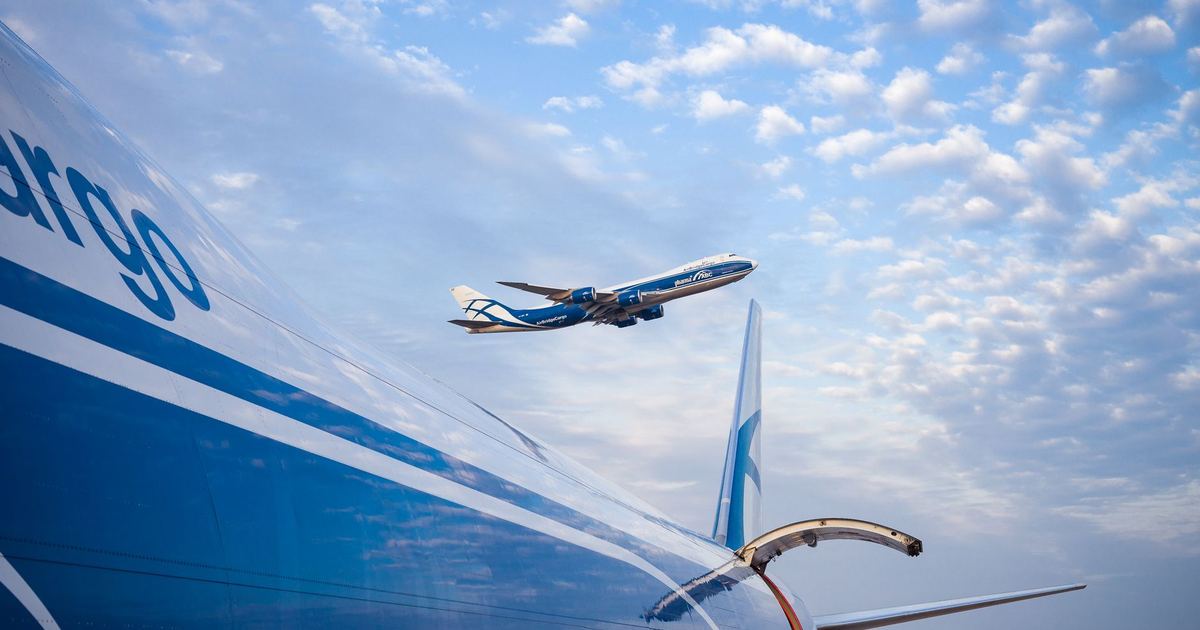
- The difference between passenger aircraft (PAX) and cargo aircraft only (CAO) in air transport.
- When dangerous goods must carry the CAO label and travel on a dedicated freighter.
- How quantity limits and acceptance of dangerous goods compare between the two aircraft types.
- Why airline-specific rules (Operator Variations) matter when selecting a flight.
The Difference Between Passenger Aircraft and Cargo Aircraft Only
In international air transport, cargo can be carried on two main types of aircraft: passenger aircraft (PAX) and cargo aircraft only (CAO). For general cargo, the difference mainly lies in hold capacity and flight schedules. For dangerous goods (DG), however, the distinction becomes extremely strict for reasons of flight safety.
A passenger aircraft carries cargo in its belly hold while hundreds of passengers sit above. For this reason, the rules on the types, quantities and packing of dangerous goods on passenger aircraft are always much stricter than those for cargo aircraft. CAO aircraft are freighters designed or converted to carry cargo only, which allows them to accept items of higher risk or larger quantities that passenger aircraft are not permitted to carry.
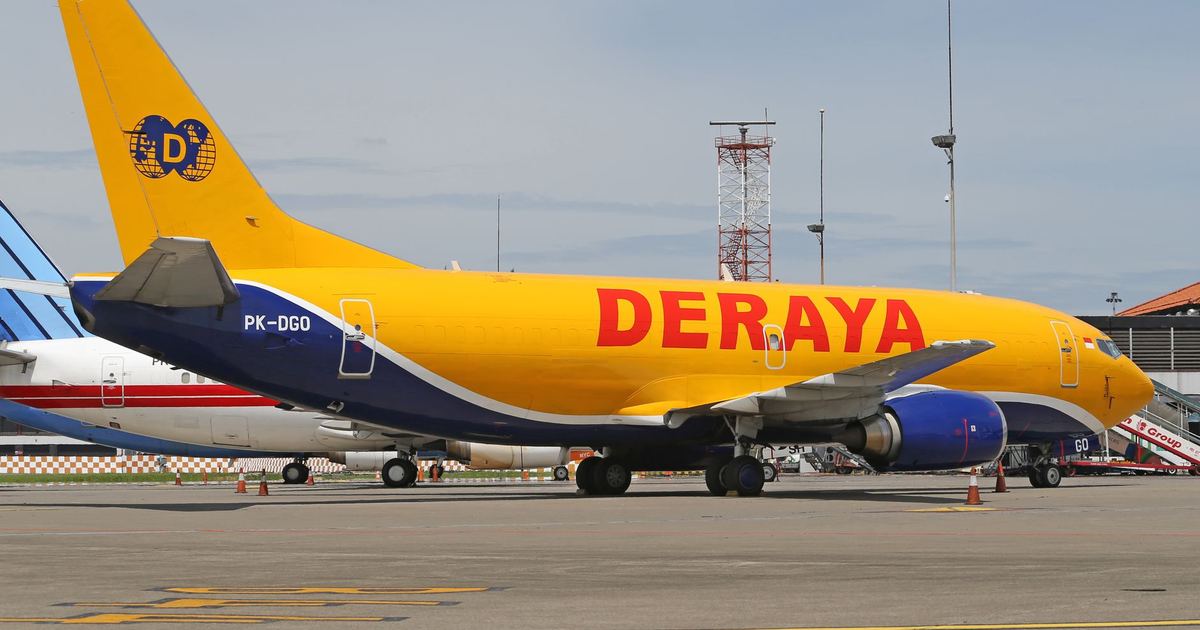
When Must Dangerous Goods Travel on a Cargo Aircraft (CAO)?
Under the rules of the International Air Transport Association (IATA), whether a dangerous goods shipment may be loaded on a passenger aircraft depends on its UN number, packing group and the quantity per package. The three most common cases shippers should be aware of are:
- Goods forbidden on passenger aircraft: Some dangerous goods are too risky in their chemical or physical properties (such as certain liquefied gases and highly concentrated flammable liquids). The DGR lists them as “Forbidden” on passenger aircraft, but they are permitted on CAO aircraft.
- Exceeding the net quantity limit: Each type of dangerous goods has a maximum quantity per package on passenger aircraft. If the shipper packs more than this limit (but still within the limit for cargo aircraft), the shipment must move on a CAO aircraft.
- Loose lithium batteries: Lithium ion batteries (UN3480) and lithium metal batteries (UN3090) shipped loose, not packed with equipment, are forbidden on passenger aircraft and may travel only on cargo aircraft. Batteries packed with or contained in equipment (UN3481/UN3091) may travel on passenger aircraft within the prescribed limits.
Comparison of Dangerous Goods Acceptance
| Criteria | Passenger aircraft (PAX) | Cargo aircraft only (CAO) |
|---|---|---|
| Safety priority | Highest (protecting passengers' lives) | High (protecting the crew and property) |
| Quantity limits | Very restricted per package | Considerably more relaxed than PAX |
| Labelling requirements | Standard hazard labels only | The additional “Cargo Aircraft Only” label is mandatory |
| Acceptance | Many items restricted (for example: most of Class 1 except 1.4S, most flammable gases of Division 2.1, loose lithium batteries) | A wider range of goods accepted |
The “Cargo Aircraft Only” Label and the Shipper's Responsibility
When a shipment is determined to be permitted on cargo aircraft only, the shipper is responsible for affixing the CAO label to every package. The label is rectangular, bright orange, with an aircraft symbol and the words “CARGO AIRCRAFT ONLY”. It must be placed next to the primary hazard label so that airport staff can recognise it easily.
At VPL, we always remind our customers that the CAO label is not just a formality but a safety commitment. If a package bearing a CAO label is loaded on a passenger aircraft by mistake because of an error in acceptance checks, the legal and safety consequences are extremely serious.
Tips for Choosing the Right Flight and Airline
Selecting a flight for CAO cargo is more complicated than for general cargo, because not every airline operates a dedicated freighter fleet. Shippers should keep the following in mind:
- Check the flight network: Many major airlines operate only passenger aircraft to Vietnam. If your goods are CAO, you must find airlines with freighter flights or accept multimodal transport (road combined with air via major hubs).
- Watch for airline-specific rules (Operator Variations): Some airlines apply rules stricter than IATA's. For example, IATA may permit an item on a CAO aircraft, yet the airline may refuse it entirely across its whole network.
- Transport costs: CAO freight rates are usually higher, and schedules may be less flexible than on passenger aircraft, which operate at much higher frequencies.
VPL Solutions for Specialised Dangerous Goods Shipments
Transporting dangerous goods, especially CAO cargo, requires in-depth technical knowledge and familiarity with international regulations. VPL (Viet Power Logistics) can support shippers by:
- Analysing the MSDS/SDS to determine accurately whether the goods fall under CAO.
- Advising on packing and labelling that comply with the latest IATA DGR.
- Checking each airline's Operator Variations so that the cargo is not refused at the airport.
- Finding and comparing freighter flights that suit your timeline and budget.
We understand that every dangerous goods shipment is a matter of safety and of your company's reputation. Contact VPL for advice on your specific shipment.
This article is for general information and was compiled by VPL from public sources at the time of publication. Regulations may change – please contact VPL for advice on your specific shipment.