

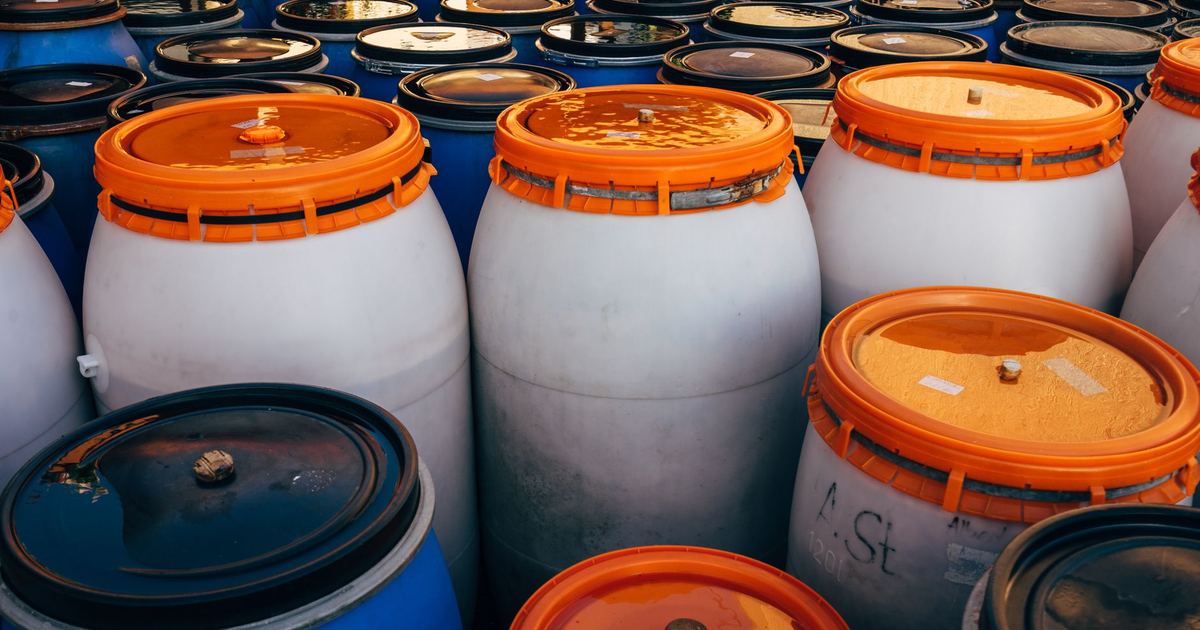
- The definition and role of the MSDS/SDS in the supply chain for specialised goods.
- The 16 standard sections of an MSDS under the global GHS system.
- The particular importance of Section 14 for classification and transport.
- Why companies should provide the MSDS early to receive an accurate logistics quotation.
What is an MSDS/SDS?
In international transport, especially for goods such as chemicals, cosmetics, dietary supplements and devices containing batteries, the term MSDS comes up constantly. The MSDS (Material Safety Data Sheet), now more commonly called the SDS (Safety Data Sheet) under the newer standard, is a detailed technical document containing information about the properties of a specific chemical or product. It is prepared by the manufacturer or importer to guide the safe use, storage, transport and handling of emergencies.
At Viet Power Logistics (VPL), we regard the MSDS as the "passport" of the goods. Without it, a shipment with complex physical and chemical properties cannot be risk-assessed, and airlines or shipping lines may refuse to accept it.
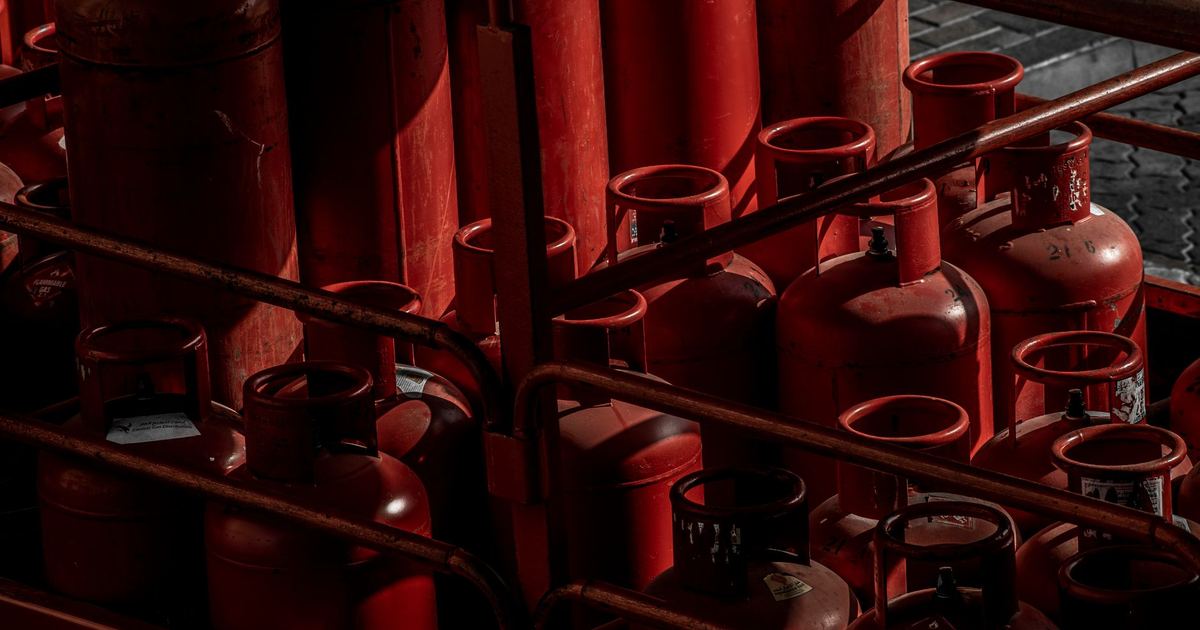
The 16-section structure of a standard MSDS
Under the Globally Harmonized System of Classification and Labelling of Chemicals (GHS), a proper SDS normally contains 16 sections. Knowing them lets companies check the validity of the document themselves before sending it to the logistics provider.
- Section 1: Identification of the chemical and supplier information.
- Section 2: Hazard identification (GHS classification).
- Section 3: Composition and information on hazardous ingredients.
- Section 4: First-aid measures.
- Section 5: Firefighting measures (suitable extinguishing media).
- Section 6: Accidental release measures and precautions.
- Section 7: Requirements for safe handling and storage.
- Section 8: Exposure controls and personal protection (PPE).
- Section 9: Physical and chemical properties (state, colour, odour, flash point, etc.).
- Section 10: Stability and reactivity.
- Section 11: Toxicological information.
- Section 12: Ecological information (toxicity to the aquatic environment).
- Section 13: Disposal considerations.
- Section 14: Transport information (extremely important in logistics).
- Section 15: Regulatory information.
- Section 16: Other information.
Section 14: the "heart" of the MSDS for carriers
When accepting dangerous goods (DG), VPL checks Section 14 first and most thoroughly. This section provides the technical data needed to classify the goods under IATA (air) and IMO (sea) rules. The key items are:
1. UN number
This is the four-digit number assigned by the United Nations to identify dangerous substances. For example, UN 1263 is commonly used for paint, and UN 3480 for lithium-ion batteries. The UN number lets us quickly look up the specific transport conditions in the dangerous goods list.
2. Proper Shipping Name (PSN)
This name must be shown exactly on the package label and the dangerous goods declaration. It is not necessarily the trade name, but an internationally recognised technical name.
3. Hazard class
Dangerous goods are divided into 9 classes (Class 1 to Class 9). Identifying the correct class tells VPL whether the goods may be loaded together with other cargo (segregation rules).
4. Packing group (PG)
There are three packing groups: PG I (high danger), PG II (medium danger) and PG III (low danger). This determines which United Nations performance level the packaging must meet (the X, Y or Z in the packaging's UN code).
Why does VPL need the MSDS before quoting for dangerous goods?
Many customers wonder why VPL asks for the MSDS right away when they only want a transport quotation. There are three main reasons:
Confirming whether the carrier can accept the cargo
Not every airline or shipping line accepts all types of dangerous goods. Some substances are completely forbidden on passenger aircraft and may travel only on cargo aircraft (Cargo Aircraft Only). The MSDS lets VPL quickly check with transport partners whether the shipment can move on the requested routing.
Calculating additional costs accurately
DG shipments always carry surcharges (DG surcharge). In addition, if the goods are not yet packed to the UN standard required under Section 14, VPL will need to advise on, and quote for, repacking and correct hazard labelling to avoid the cargo being stuck at the airport or seaport warehouse.
Ensuring supply chain safety
Based on Section 9 (flash point) and Section 10 (stability), we make storage recommendations. For example, substances with a low flash point should be kept in a cool environment, away from heat sources and strong oxidisers, to prevent fire and explosion.
Notes for companies preparing an MSDS
To keep quotation and transport running smoothly, companies should note the following points about the MSDS:
| Characteristic | Standard requirement |
|---|---|
| Validity | Use the latest version. Many carriers accept only an SDS issued or revised within the last few years, and the SDS must be updated when the composition or classification changes. |
| Language | English is required for international transport; a Vietnamese version is advisable for customs procedures in Vietnam. |
| Consistency | The information in Section 14 must match the actual labels and marks on the package. |
| Completeness | All 16 sections must be present, with the manufacturer or supplier and the date of issue or revision clearly stated. |
At Viet Power Logistics, in addition to transport services, we help customers review the MSDS, advise on classification of the goods and carry out professional DG declaration procedures. If you are unsure about the nature of your goods, send your MSDS to VPL for the most accurate advice.
This article is for general information and was compiled by VPL from public sources at the time of publication. Regulations may change – please contact VPL for advice on your specific shipment.