

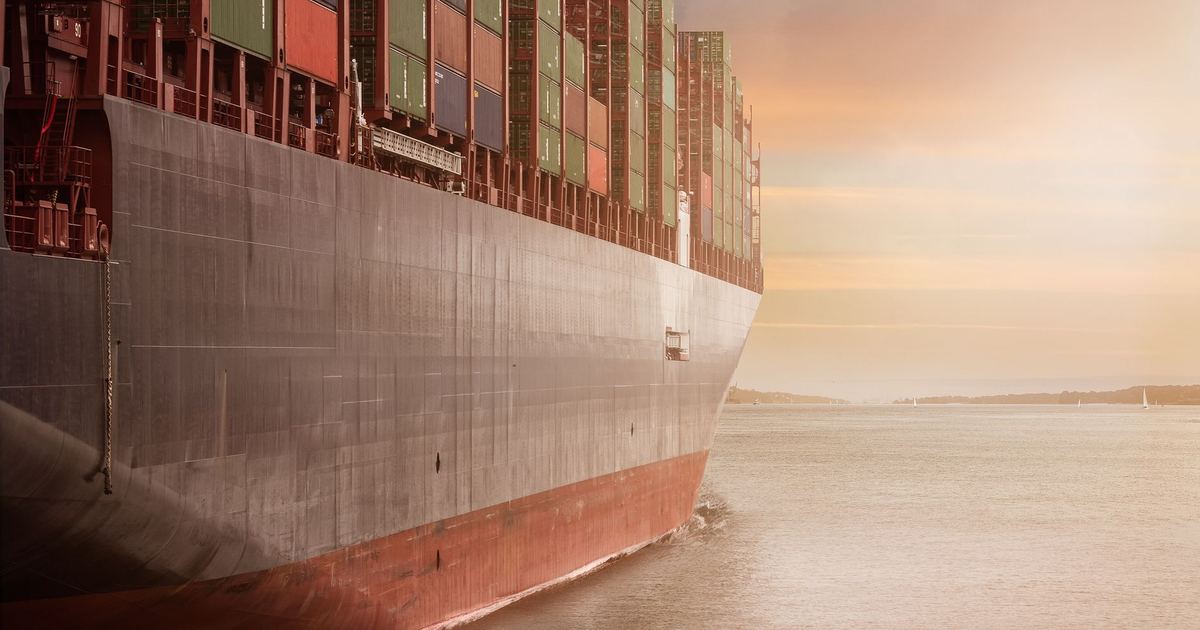
- Concepts and importance of packaging, dunnage, and lashing in international transport.
- ISPM 15 phytosanitary treatment standards for wooden packaging and common pallet sizes in the supply chain.
- Dunnage and lashing techniques using air dunnage bags and heavy-duty straps for ocean freight, and ULD nets for air freight.
- Common packaging mistakes leading to cargo damage or rejection by shipping lines and airlines.
- A 5-step standardized packaging and lashing process to help enterprises optimize costs and protect shipment safety.
1. Concepts of Packaging, Dunnage, and Lashing in International Logistics
In international import-export operations, cargo undergoes long transit routes involving multiple modes of transport, including sea freight, air freight, and inland road transport. Throughout this journey, cargo units are continuously subjected to basic mechanical forces, including vibration, sudden acceleration and deceleration, rolling/pitching forces as ships navigate waves, inertial forces during aircraft takeoff/landing, or shocks caused by road surfaces. If cargo is not properly packed and secured according to standards, risks of breakage, shifting, or total loss of the shipment become highly probable.
To ensure cargo safety, enterprises must master three core technical concepts:
- Packaging/Crating: The use of appropriate packaging materials (such as corrugated cartons, fully enclosed wooden crates, open wooden crates, plastic drums, or steel drums) to enclose and contain goods, protecting products from mechanical impacts, dust, moisture, and weather variations.
- Dunnage: The filling of void spaces between cargo units or between cargo and container/hold walls. Common dunnage materials include air dunnage bags, foam cushions, buffer pallets, or wooden shims. The purpose of dunnage is to completely prevent transverse or longitudinal movement of cargo during transit.
- Lashing/Securing: The use of specialized equipment such as polyester lashing straps, steel wire ropes, turnbuckles, D-rings, or cargo nets to bind and firmly secure cargo to load-bearing lashing points on container floors or aircraft ULD pallets.
Practical experience in Vietnam shows that many small and medium enterprises often focus on optimizing manufacturing costs and freight rates while neglecting packaging and securing procedures. A typical scenario occurs when exporting heavy machinery or drummed chemicals in FCL containers: by merely loading cargo into the container without inserting air dunnage bags or securing with lashing straps, heavy sea swells cause cargo units to collide violently, bursting drums to leak chemicals or deforming container walls. In such cases, enterprises face not only the total loss of cargo value but also substantial claims from shipping lines for container repair and environmental cleanup costs.
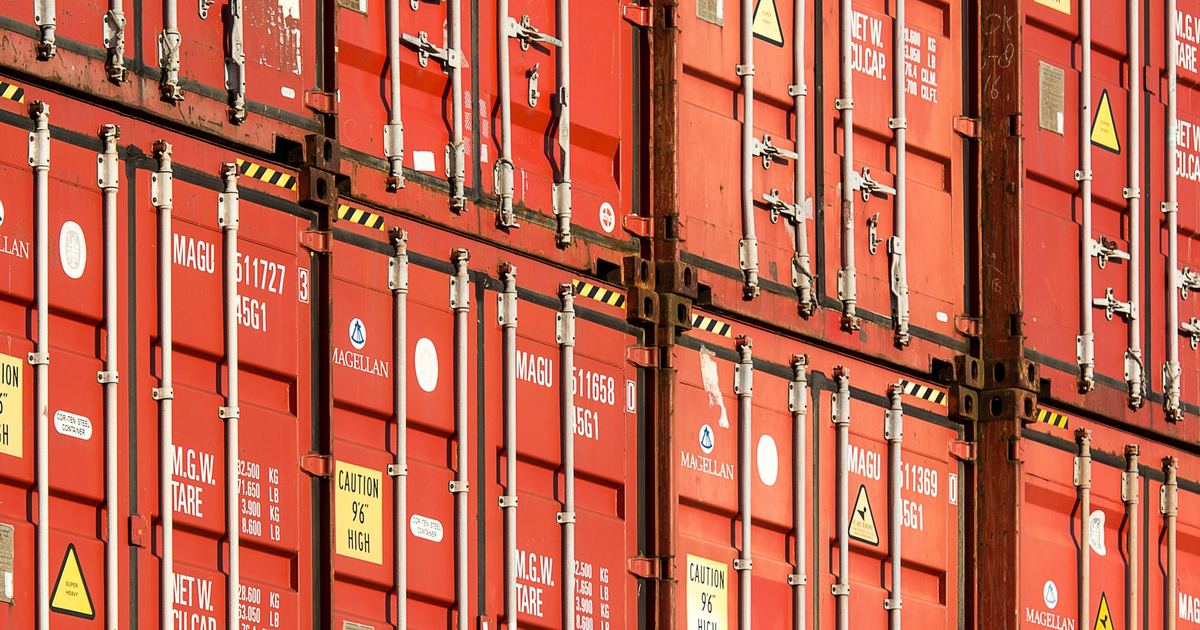
2. Pallet Standards and ISPM 15 Wood Packaging Treatment Regulations for Export
Pallets serve as the foundation of modern transport systems, enabling forklifts and handling equipment to move cargo quickly and safely. However, selecting the appropriate pallet type and complying with international phytosanitary regulations are mandatory requirements that every export enterprise must observe.
Common Standard Pallet Dimensions
Depending on the target export market, enterprises need to select the corresponding pallet specifications to optimize cargo space in containers or aircraft holds:
- Euro Pallet (EUR/EPAL): Dimensions 1200 x 800 mm, widely used in the European market. This design optimizes space for trucks and automated warehousing systems across the EU.
- Standard ISO / North American Pallet: Dimensions 1200 x 1000 mm, prevalent in the US, Canada, Japan, and Asian countries. This dimension is ideal for loading two parallel rows inside standard 20-foot or 40-foot containers.
- Square Pallet (Australia and Asia): Dimensions 1100 x 1100 mm or 1140 x 1140 mm, optimized for intra-regional ocean container loading.
ISPM 15 Phytosanitary Standard for Wood Packaging
ISPM 15 (International Standards for Phytosanitary Measures No. 15) is an international phytosanitary standard applying to raw wood packaging materials (such as wooden pallets, wooden crates, and dunnage wood). The objective of ISPM 15 is to prevent the introduction and spread of plant pests and invasive insects between nations through commercial trade transportation.
For wood packaging to meet ISPM 15 standards, the wood material must undergo one of two primary treatment methods:
- Heat Treatment (HT): Wood is heated until its core temperature reaches a minimum of 56°C for at least 30 minutes. This is currently the most widely used and environmentally friendly method.
- Methyl Bromide Fumigation (MB): Wood is fumigated with Methyl Bromide gas according to specified dosage and duration limits (however, this method is increasingly restricted in several countries due to environmental impacts).
Upon successful treatment, wood packaging must be clearly stamped with the official IPPC (International Plant Protection Convention) mark, indicating the country code, treatment facility code, and treatment method (HT or MB). Real-life case: A household woodenware manufacturer in Binh Duong exported a shipment to the US using uncertified wooden pallets purchased from unverified suppliers without ISPM 15 treatment. Upon arrival at the Port of Los Angeles, US Customs and Border Protection (CBP) identified that the wood packaging lacked valid IPPC stamps. Consequently, the entire container was denied entry and ordered for mandatory re-export back to Vietnam, incurring detention penalties and round-trip freight costs totaling tens of thousands of USD.
3. Packaging Techniques Customized by Cargo Commodity Category
Each cargo type possesses unique physical and chemical characteristics, requiring specialized packaging methodologies to guarantee complete safety throughout the supply chain.
General Cargo
For cartonized goods loaded on pallets, enterprises must pay strict attention to stacking techniques. Goods should be interlocking-stacked (brick-pattern pattern) to establish structural stability, avoiding vertical column stacking that easily topples over. After palletizing, stretch wrap (PE film) must be applied for a minimum of 3 to 5 layers around the cargo unit from pallet base to top, combined with heavy-duty paperboard corner protectors to reinforce all four corners, preventing carton deformation under compressive loads.
Machinery, Out-of-Gauge / Heavy Machinery, and Fragile Goods
Industrial machinery often features a high center of gravity, asymmetrical geometry, and high susceptibility to moisture or shock. Standard packaging techniques require:
- Enclosing in solid wooden crates or open slat crates depending on equipment sensitivity.
- Vacuum aluminium foil packaging combined with desiccant bags inside for sensitive electronic components and control panels.
- Anchoring machine bases securely to heavy-duty wooden pallet bases using mounting bolts to prevent movement within the crate.
Dangerous Goods (DG)
Dangerous goods transportation is a core capability of VPL. DG packaging requires absolute adherence to strict international regulations such as IATA DGR (for air freight) and the IMO IMDG Code (for ocean freight):
- UN Specification Packaging: Chemicals, lithium batteries, flammable liquids, or corrosive substances must be contained in packaging that has successfully passed rigorous pressure, drop, and stacking tests, displaying a valid UN specification mark on the outer surface (e.g., UN 4G/Y14.5/S/...).
- Quantity limits and Single/Combination Packaging: Liquid dangerous goods often mandate combination packaging (pairing inner glass/plastic receptacles with a UN outer fiberboard box), along with sufficient absorbent material (such as vermiculite) capable of absorbing the entire liquid volume in the event of leakage.
- Dangerous Goods Labeling: All dangerous goods packages must display correct hazard class labels (Class 1 through Class 9), orientation/handling labels, and clearly state the Proper Shipping Name alongside the assigned UN Number.
4. Lashing and Dunnage Methods in Containers and Aircraft Holds
Cargo loading into transport equipment (containers or ULD pallets) accounts for up to 80% of shipment safety during transit.
Lashing and Dunnage in Ocean Containers (FCL and LCL)
Ocean container flooring is typically constructed from heavy-duty plywood, equipped with lashing rings (D-rings) along the bottom and top side rails. When executing container lashing, logistics providers must evenly distribute weight across the floor, avoiding concentrated loads in a single area.
- Air Dunnage Bags: Insert air bags into void spaces between pallet rows or between pallets and container side walls, then inflate with compressed air. The air bags expand to fill voids and exert constant pressure to stabilize cargo.
- Polyester Lashing Straps: Utilize high-tenacity woven webbing straps (with breaking strength ranging from 2 tons to 5 tons) passed through container D-rings, wrapped around cargo, and tensioned with specialized ratchets.
- Wooden Blocking & Bracing: For extra-heavy machinery, strapping alone is insufficient. Technicians must nail floor blocking blocks and construct X-brace or A-frame wooden frameworks secured to container walls to lock the equipment base firmly in place.
Cargo Securing in Air Transportation
In flight, aircraft experience significant forces from takeoff and landing accelerations as well as atmospheric turbulence. Air cargo is typically loaded onto standard Unit Load Devices (ULD Pallets) or air cargo containers (ULD Containers).
Cargo loaded on ULD pallets is secured using specialized cargo nets attached to the outer rim of the ULD pallet. For heavy or out-of-gauge pieces, aviation-approved air cargo tie-down straps with tension ratchets must be used in conjunction with nets to secure cargo strictly according to the airline's weight distribution chart.
Comparative Table of Dunnage and Lashing Material Solutions
| Material Type | Key Advantages | Best Suited Application | Technical Precautions |
|---|---|---|---|
| Air Dunnage Bag | Fast installation, flexible void filling, excellent shock absorption. | Filling gaps between pallet rows in ocean FCL containers. | Avoid contact with sharp edges; select correct bag size for void width. |
| Polyester Lashing Strap | High tensile strength, low elongation, lightweight and safe to handle. | Securing heavy cargo, wooden crates, machinery to container D-rings. | Use edge protectors if strapping over sharp corners. |
| Wooden Blocking / Bracing | Absolute locking of extreme weights, excellent resistance to compression and lateral forces. | Securing industrial machinery bases, heavy equipment, flat rack container cargo. | Wood must be ISPM 15 phytosanitary certified for export shipments. |
5. Common Packaging Mistakes and Liability Risks from Substandard Packaging
Through years of consulting and cargo handling for thousands of import-export enterprises, VPL has compiled the most common technical mistakes that cause enterprises to incur severe losses:
- Leaving unbraced voids: When loading an FCL container that is not full by volume, shippers often concentrate cargo in the center while leaving void spaces along the sides or near the container doors. When the tractor truck brakes suddenly or the vessel rolls at sea, entire rows of pallets shift and collapse like dominoes, tearing packaging and damaging internal products.
- Using incorrect UN specification packaging for dangerous goods: Many shippers independently purchase UN boxes from open markets without verifying specification parameters (such as Packing Group I, II, III suitability or gross mass limits). Upon cargo acceptance at air freight stations or seaports, inspection authorities identify non-compliant packaging or lack of a valid UN Packaging Test Certificate, resulting in emergency customs hold and rejection.
- Lashing over wrong load-bearing points: Passing lashing straps over fragile machine components (such as piping, plastic housings, or control panels) instead of securing main structural frames. When ratcheting straps, excessive tension causes structural fracturing of the machinery prior to export.
- Uneven weight distribution: Concentrating heavy cargo on one side or toward one end of the container. This causes severe eccentric loading, violating safety rules of shipping lines and airlines, leading to rejection for loading onto transport conveyances.
6. A 5-Step Standardized Packaging and Lashing Process for Enterprises
To assist enterprises in proactively controlling quality and mitigating damage risks, Viet Power Logistics (VPL) recommends implementing the following 5-step standardized packaging and lashing workflow:
- Step 1: Cargo classification and specification survey: Identify cargo type (general cargo, fragile goods, machinery, or DG), measure actual dimensions, total gross weight, and identify the center of gravity of cargo pieces.
- Step 2: Selection of appropriate packaging and dunnage materials: Select load-rated cartons/wooden crates; verify ISPM 15 stamps on wood packaging; prepare stretch film, corner protectors, air dunnage bags, and lashing straps meeting tensile strength standards.
- Step 3: Stowing plan development (Loading Plan): Calculate container or ULD pallet stowage plans to distribute weight evenly across floor areas, optimize volumetric capacity, and eliminate unbraced voids that cause shifting.
- Step 4: Execution of packaging, dunnage, and lashing: Load cargo according to the stowage plan. Insert air dunnage bags into gaps; construct floor blocking frameworks; thread lashing straps through D-rings and tension with ratchets. For dangerous goods, verify all hazard labels and handling labels.
- Step 5: Quality Control (QC) inspection and photo documentation: Audit all lashing systems; check strap tension and air bag pressure. Capture detailed overall and close-up photographs throughout loading—from empty container stage to final securing and sealing. This photo set serves as vital legal evidence when dealing with insurers or carriers in force majeure incidents during transit.
7. Frequently Asked Questions on Packaging and Lashing Standards (FAQ)
Who bears the cost of lashing and dunnage in commercial contracts?
This cost depends on the agreed Incoterms rules in the commercial contract. For example, under EXW or FCA terms, the buyer is primarily responsible for or bears the costs of loading and lashing cargo. Conversely, under FOB, CFR, CIF, or DDP terms, the seller (exporter) is obligated to complete packaging, loading, and safe securing inside containers at the port of departure before handing over to the carrier.
How can I verify whether my export wooden crates comply with ISPM 15?
ISPM 15 compliant wooden crates must display a clearly visible, non-smudged IPPC mark heat-stamped or printed on at least two opposite sides of the package. The mark must contain the IPPC wheat symbol/logo, country code (such as VN for Vietnam), facility registration code issued by quarantine authorities, and the treatment method code (HT or MB). Enterprises should request wood packaging suppliers to provide an accompanying Fumigation/Heat Treatment Certificate.
Can I pack dangerous goods myself when shipping via air freight?
Under IATA DGR regulations, the Shipper is responsible for ensuring dangerous goods are packed strictly to UN specifications. However, if enterprise personnel are not IATA Dangerous Goods Certified, self-packing is strongly discouraged. Enterprises should utilize professional DG packaging services from reputable logistics providers like VPL to ensure accurate packaging verification, correct labeling, and issuance of a valid Shipper's Declaration for Dangerous Goods, avoiding rejection at airport terminals.
Will cargo insurance compensate if goods are damaged due to inadequate packaging?
Most international cargo insurance clauses (such as Institute Cargo Clauses ICC A, B, C by the Institute of London Underwriters) contain explicit exclusions for loss or damage caused by insufficient or unsuitable packing or preparation of cargo. Therefore, if an independent surveyor concludes that the root cause of loss stems from loose lashing or non-compliant packaging, the insurance company reserves the right to reject the entire claim.
Practical Significance for Enterprises and Solutions from Viet Power Logistics
Cargo packaging, dunnage, and lashing are not merely auxiliary steps in the import-export process, but are
This article is for general information and was compiled by VPL from public sources at the time of publication. Regulations may change – please contact VPL for advice on your specific shipment.