

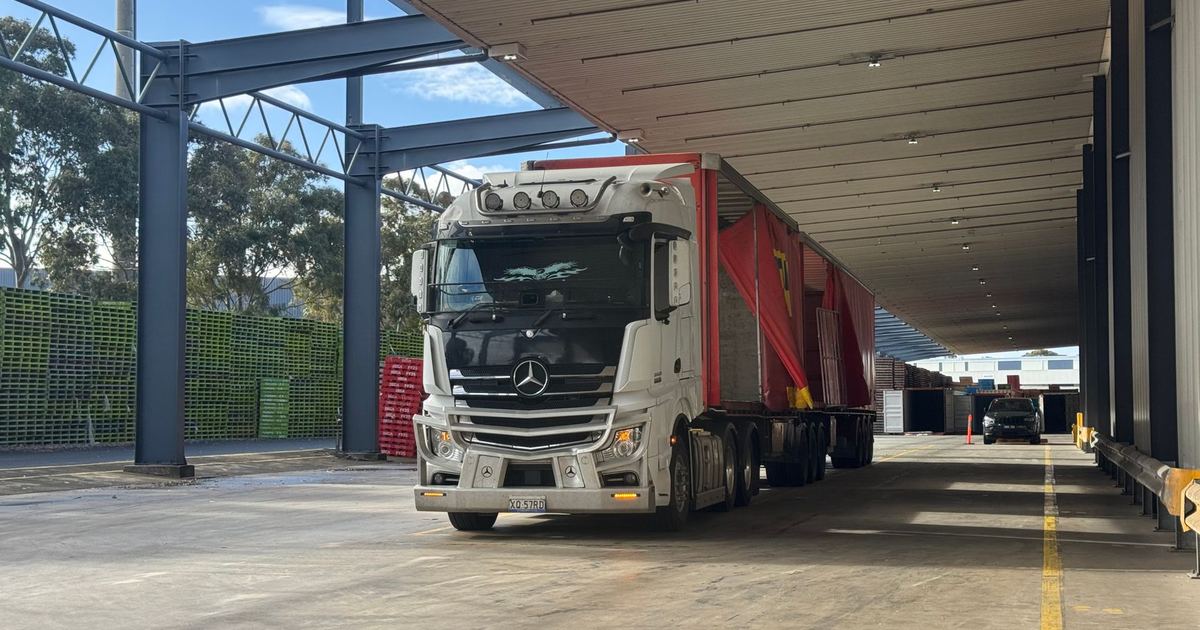
- The concept and core benefits of door-to-door shipping service.
- The three main stages in detail: pick-up, international transport and delivery at destination.
- The role of Incoterms in defining responsibilities and costs between the parties.
- Key points on documents and packing to ensure smooth customs clearance.
What Is Door-to-Door Service and Why Should Businesses Choose It?
Door-to-door freight forwarding (warehouse to warehouse) is a shipping method in which the logistics provider is responsible for the whole process, from picking up the goods at the seller's warehouse and handling customs formalities to international transport and delivery to the buyer at the requested address. Instead of working with many separate parties such as domestic trucking companies, customs brokers and shipping lines or airlines, the business needs only a single point of contact.
At VPL, we see a growing shift towards door-to-door thanks to its clear advantages: saved management time, cost transparency and fewer information breaks between legs. For complex shipments such as dangerous goods (DG) in particular, a door-to-door service ensures consistency in safety and legal handling.
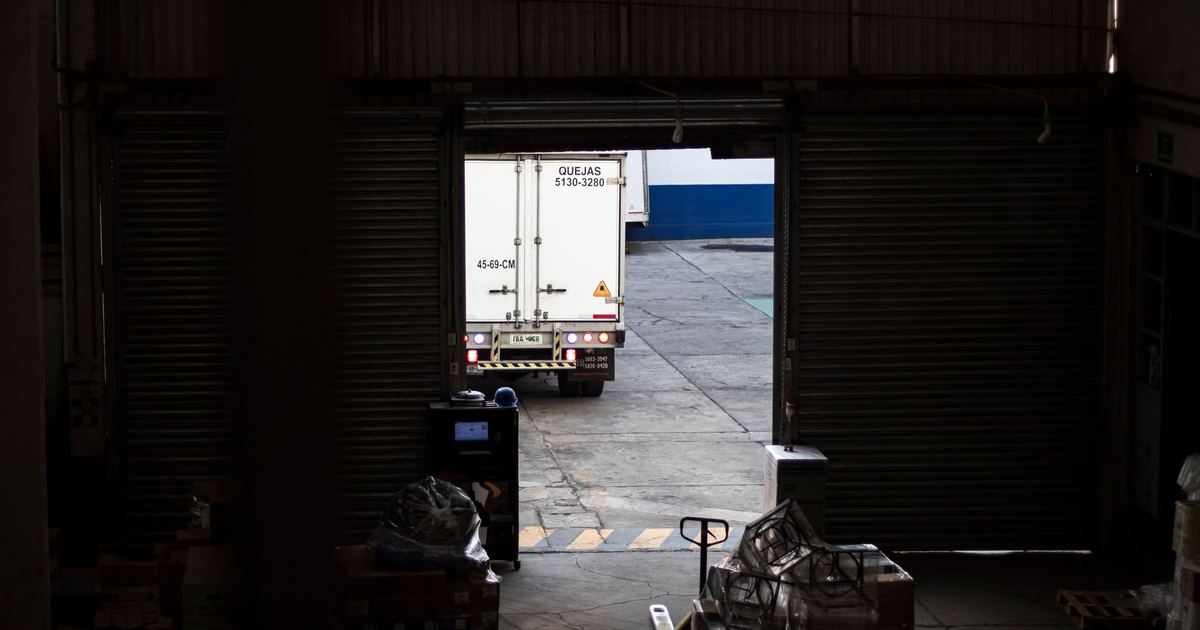
Stage 1: Preparing the Goods and Pick-up at the Warehouse
The process begins as soon as the business has finished production and is ready to ship. The specific steps include:
- Document check: VPL reviews the export document set with the customer, such as the invoice, packing list and any specialized permits (if applicable). For dangerous goods, the MSDS (Material Safety Data Sheet) is a mandatory document for determining a suitable mode of transport.
- Packing and labeling: Goods must be packed to ocean or air freight standards. We pay particular attention to labeling and marking to avoid loss and to meet quarantine and safety regulations.
- Pick-up: VPL arranges a domestic truck to collect the goods from the business's warehouse. Depending on volume, goods are moved by truck (LCL, less than container load) or by container tractor (FCL, full container load).
Stage 2: Export Customs Clearance and International Transport
After the goods leave the warehouse, the next leg is the port of exit (seaport or airport). This stage largely determines the schedule of the shipment.
Customs procedures in Vietnam
VPL files the electronic customs declaration, transmits it and presents the documents at the customs sub-department at the border gate. We handle any issues that arise, such as physical inspection (if the declaration is assigned to the Red channel), so that the goods make the booked sailing or flight.
International transport
Depending on time and budget needs, goods are shipped by:
- Air freight: Suitable for urgent or high-value cargo, or small quantities of DG.
- Ocean freight: The cost-efficient option for large shipments, heavy industrial goods or large volumes of dangerous goods under the IMDG Code.
Throughout this process, VPL provides regular tracking updates so that the business can plan its operations proactively.
Stage 3: Import Customs Clearance and Delivery to the Destination Address
When the goods arrive in the importing country, our agent abroad receives them and carries out the final steps:
- Import customs clearance: Filing the customs declaration in the destination country and paying import duty and VAT (depending on the agreed Incoterms).
- Unloading and domestic transport: After clearance, the goods are removed from the port or airport and transported by truck or container truck to the buyer's warehouse.
- Delivery and signed confirmation: The goods are handed over to the consignee in person. The proof of delivery (POD) is signed, completing the door-to-door process.
The Role of Incoterms in the Door-to-Door Process
For the process to run smoothly, it is critical to define the trade terms (Incoterms) clearly. Door-to-door service is usually associated with terms in the D group, or the C/F groups combined with destination logistics services:
| Term | Seller's responsibility | Buyer's responsibility |
|---|---|---|
| DAP (Delivered at Place) | Transports the goods to the destination and bears risk until they are ready for unloading. | Handles import clearance and pays duties and taxes. |
| DDP (Delivered Duty Paid) | Bears all costs and risks, including import formalities and duties. | Only needs to receive the goods at the warehouse. |
| CPT/CIP + D2D service | Transports to the destination, but risk passes earlier. | Coordinates receipt of the goods as agreed. |
Whichever term is chosen, businesses should note that agreeing clearly who pays for unloading at the buyer's warehouse is a common source of disputes, and the parties should state it clearly in the contract.
Practical Value and Solutions from VPL
The door-to-door process is not just transport but a risk management solution. For Vietnamese businesses exporting to demanding markets such as the US, the EU or Japan, being able to control the last leg in the buyer's country is a major competitive advantage and builds credibility with overseas partners.
At Viet Power Logistics (VPL), we work with agents in the importing country and focus on dangerous goods and customs procedures. We do not only transport, but also advise on the best approach for each specific type of cargo, so that businesses can focus on production with peace of mind. If you are looking for a reliable partner to take goods from a Vietnamese factory to your international customers' doors, VPL is ready to work with you.
This article is for general information and was compiled by VPL from public sources at the time of publication. Regulations may change – please contact VPL for advice on your specific shipment.