

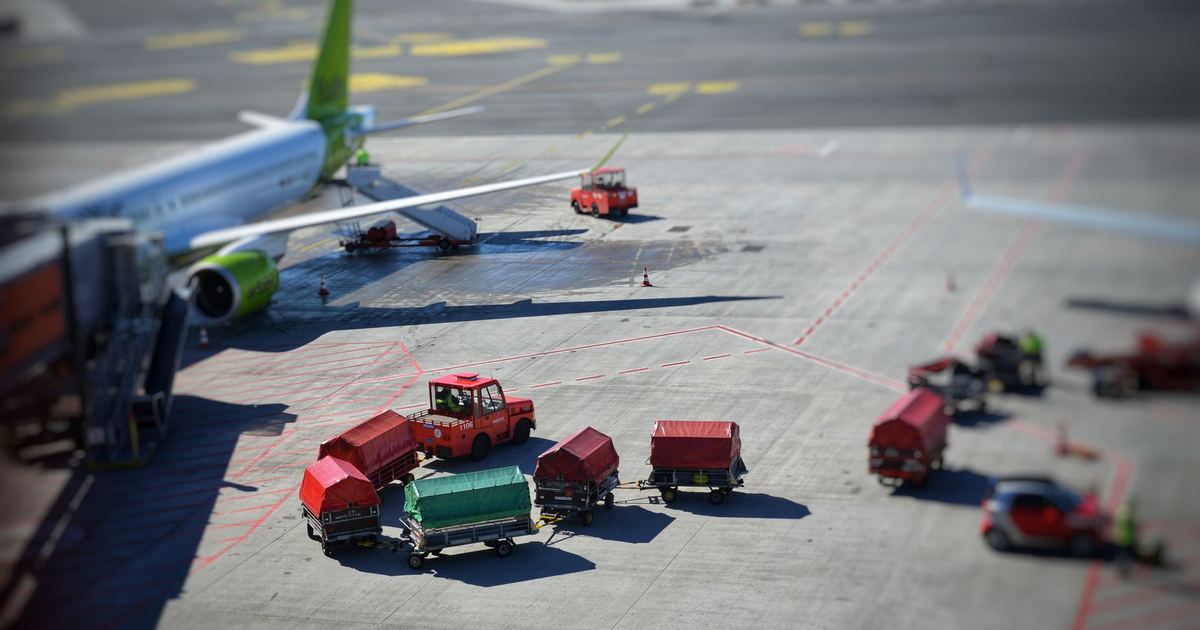
- Long Thanh Airport expands air cargo capacity and alleviates congestion at Tan Son Nhat Airport.
- Importers and exporters gain strategic options via modern, purpose-built air cargo infrastructure.
- Opportunities to optimize supply chains, warehousing, and door-to-door forwarding procedures.
- VPL assists shippers with freight planning and compliance under new air cargo procedures.
1. Overview of Long Thanh International Airport Project and Its Impact on the Logistics Sector
Long Thanh International Airport preparing to commence operations represents one of the most critical milestones for Vietnam's transport infrastructure and economy in the coming period. With its vast scale and synchronized design adhering to international standards, this airport is anticipated to emerge as a premier air cargo transshipment hub in Southeast Asia. For importers and exporters in the Southern key economic zone and across the country, this development heralds a new chapter in global supply chain optimization, decisively resolving persistent bottleneck issues at existing aviation gateways.
In actual import-export operations, many enterprises situated in key industrial hubs such as Dong Nai, Binh Duong, Ba Ria - Vung Tau, and Ho Chi Minh City often encounter difficulties regarding transit time and inland drayage costs when trucking cargo to the airport. Once Long Thanh becomes operational, the geographical distance and transit time from production facilities to air cargo terminals will be significantly curtailed. This is particularly advantageous for high-value cargo, time-sensitive shipments, electronics, semiconductors, pharmaceuticals, and dangerous goods requiring stringent temperature control and handling protocols.
To capitalize fully on this emerging infrastructure, shippers must proactively review their logistics strategies. Developing routing plans, re-evaluating domestic trucking carriers, and partnering with experienced freight forwarders will enable businesses to seize a competitive edge from the initial days of commercial operations. VPL stands ready to assist enterprises in reassessing routing options and optimizing freight costs.
2. Alleviating Congestion at Tan Son Nhat Airport and Boosting Cargo Clearance Capacity
For years, Tan Son Nhat International Airport has operated beyond design capacity for both passenger and cargo throughput. This has occasionally caused cargo terminal bottlenecks and prolonged dwell times for airfreight intake and breakdown/recovery, especially during peak year-end shipping seasons. The commissioning of Long Thanh Airport will absorb a substantial volume of airfreight tonnage, expanding capacity across the entire air logistics ecosystem in the Southern Key Economic Zone.
A prime example involves urgently imported medical equipment or industrial manufacturing components required to prevent assembly line stoppages. Previously, cargo clearance and recovery could face delays due to heavy freight concentration at a single gateway. With Long Thanh entering service, airlines and international integrators will expand their flight schedules, diversifying dedicated main-deck freighters and wide-body passenger flights (belly hold), accelerating cargo turnaround times for shippers.
Furthermore, air cargo terminals, bonded warehouses, and specialized inspection facilities at the new airport feature synchronized, highly automated handling systems. Shippers should stay updated on customs clearance procedures and physical inspection protocols at these new terminals to ensure seamless cargo clearance. VPL recommends that import-export teams maintain regular communication with airline representatives and regulatory authorities to keep abreast of detailed flight schedules and cargo handling operating plans.
3. Positive Impact on Door-to-Door Supply Chains and Dangerous Goods Transport
Integrated door-to-door forwarding combined with air transport demands high precision and rapid transit. Strategically connected to major expressways and seaport hubs, Long Thanh Airport will foster a comprehensive multimodal transport network. Freight from manufacturing facilities can be rapidly pre-conditioned, packaged, secured, and trucked directly to the airport for air uplift with minimal exposure to urban traffic congestion.
For specialized cargo such as Dangerous Goods (DG) or lithium batteries, transport requires strict adherence to international safety mandates. The new airport's specialized, compliant storage facilities will mitigate handling risks. However, shippers remain fully responsible for ensuring compliance with classification, packaging, marking, labeling, and Shipper's Declaration for Dangerous Goods documentation in strict accordance with current regulations prior to tendering cargo at the terminal.
Enterprises must coordinate closely with logistics service providers possessing proven Dangerous Goods expertise to ensure regulatory compliance. Any minor discrepancy in dangerous goods paperwork or packaging standards can result in cargo rejection or delay, incurring detention/storage charges and disrupting delivery schedules. With our qualified dangerous goods specialists, VPL supports clients with rigorous pre-shipment inspections prior to factory dispatch.
4. Challenges and Essential Preparation Steps for Importers and Exporters
Despite offering substantial opportunities, the initial launch phase of Long Thanh Airport may present operational learning curves for shippers unfamiliar with the new terminal facilities and standard operating procedures. New inland transport routes, airline flight frequencies, and terminal handling workflows will require time to achieve operational stability.
To avoid disruptions, import-export enterprises should assess the capacity of their inland trucking fleet and trial run transport corridors to the airport well before peak shipping surges. Additionally, mastering customs clearance procedures and specialized regulatory inspection requirements applicable at the new aviation port is crucial to maintaining supply chain continuity.
Investing in transport management systems and electronic data interchange connections with stakeholders will allow shippers to monitor cargo status and track-and-trace milestones closely. VPL offers comprehensive logistics consultancy, helping shippers formulate seamless transition plans, optimize freight expenses, and minimize potential transit risks.
5. Frequently Asked Questions
Will Long Thanh Airport completely replace Tan Son Nhat Airport?
No, both airports will operate in parallel as complementary facilities. Tan Son Nhat will continue to handle primarily passenger traffic and domestic/regional belly freight, while Long Thanh will serve as a major international hub, focusing on large-scale air cargo flows and long-haul intercontinental routes.
What preparations should shippers make when transitioning air cargo routing to Long Thanh Airport?
Shippers should establish updated inland drayage routes from their manufacturing sites, verify line-haul transit times, and coordinate in advance with their freight forwarding partners regarding cargo cut-off times, acceptance workflows, and customs clearance protocols at the new facility.
Are cargo bottlenecks expected during the initial operational phase?
During the initial commissioning and cutover phase, operational adjustments to routing workflows and handling processes may occur. Shippers should factor in buffer times and maintain close operational coordination with their cargo carriers and freight forwarders.
Does VPL provide cargo transport and customs brokerage services at Long Thanh Airport?
Yes, VPL provides full-scope logistics solutions, including inland drayage, customs clearance, and international airfreight forwarding services, fully supporting shippers across all airport gateways.
This article is for general information and was compiled by VPL from public sources at the time of publication. Regulations may change – please contact VPL for advice on your specific shipment.