

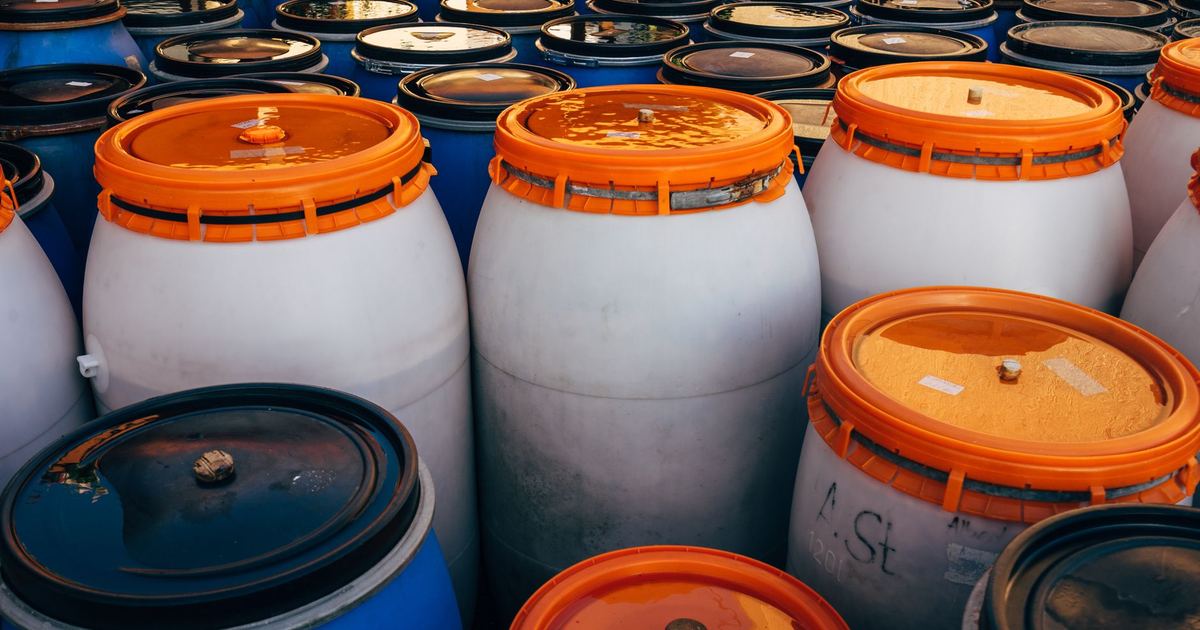
- Class 3 encompasses liquids with a flash point not exceeding 60 °C; solvent-based paints, printing inks, and adhesives frequently fall under this category.
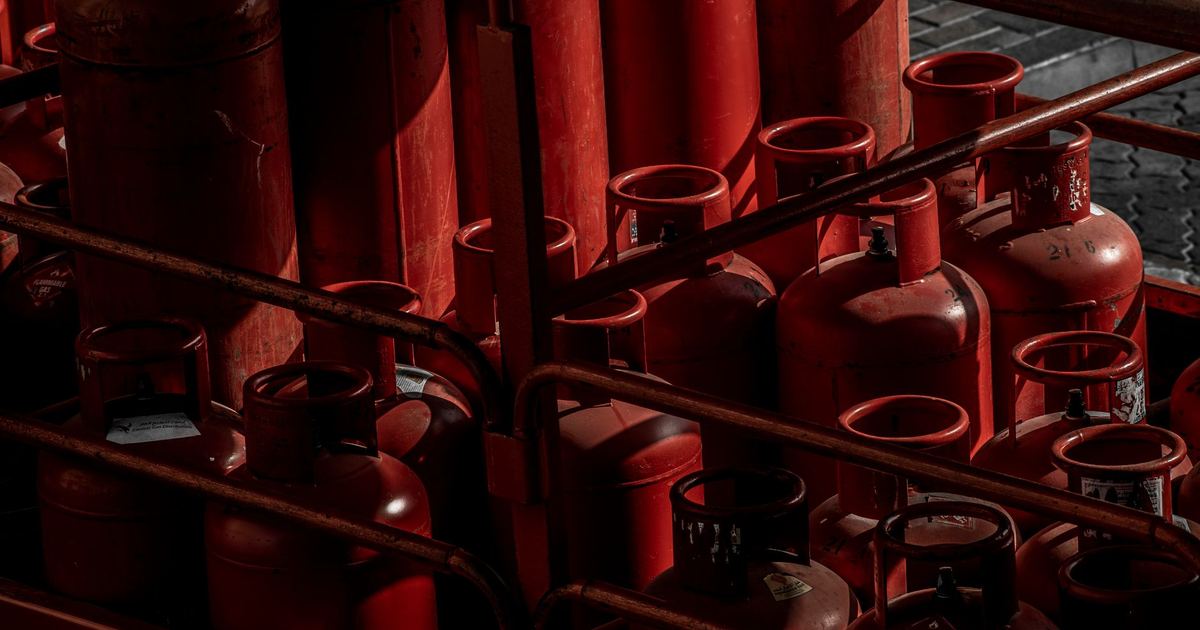
- Common UN numbers include UN1263 (paint and paint related material), UN1210 (printing ink), and UN1133 (adhesives containing flammable liquid).
- Packing groups (PG I, II, III) depend on flash point and initial boiling point; viscous goods like paints and glues may qualify for PG III via specific test criteria.
- Shippers must obtain an accurate SDS, verify the actual flash point, and arrange compliant UN packaging, labelling, and documentation before booking.
To many shippers, drums of paint, containers of adhesive, or cans of printing ink seem like ordinary industrial supplies. However, when tendered for air or ocean transport, carriers frequently require these items to be declared as dangerous goods Class 3 (Class 3 – Flammable Liquids). This article explains why and outlines essential pre-shipment checks.
1. What Is Class 3 and Why Are Paints, Adhesives, and Inks Classified Here?
Under international classification criteria, flammable liquids (Class 3) are liquids, or mixtures of liquids, with a flash point (closed-cup test) of not more than 60 °C. Some national regulations adopt slightly different thresholds (e.g., the United States uses 60.5 °C), so it is critical to consult the specific regulatory regime applicable to your transport leg.
Solvent-based paints, printing inks, and adhesives commonly contain organic solvents such as xylene, toluene, acetone, ethyl acetate, or alcohols. These volatile solvents evaporate rapidly and possess low flash points, causing the entire mixture to have a flash point below 60 °C—even if the substance appears thick, viscous, and is packed in standard industrial cans. Conversely, water-based paints generally do not fall into this category, but no final determination should be made without reviewing the SDS and flash point test data.
2. Common UN Numbers
| UN Number | Proper Shipping Name (Abbreviated) | Notes |
|---|---|---|
| UN1263 | Paint / Paint related material (paint and related materials such as primer, enamel, varnish, paint thinning solvents) | Class 3; may be assigned to Packing Group I, II, or III |
| UN1210 | Printing ink / Printing ink related material (printing ink, ink thinners) | Class 3; flammable printing inks fall under this entry |
| UN1133 | Adhesives containing flammable liquid (glues, adhesives containing flammable liquid) | Class 3; paints packaged under UN1263 are often subject to provisions similar to UN1133 |
Note: These are only common entries. Thinners, cleaning agents, spray paints (aerosols), or products with toxic or corrosive sub-risks may be assigned to different UN numbers or carry subsidiary hazards. Selecting the correct classification must always be based on the actual chemical composition and test data of the consignment.
3. Packing Groups and Viscous Substance Exceptions
The Packing Group (PG) indicates the degree of danger and dictates the permitted packaging types. For Class 3, the baseline criteria are:
- PG I: initial boiling point of 35 °C or below.
- PG II: flash point below 23 °C and initial boiling point above 35 °C.
- PG III: flash point from 23 °C to 60 °C and initial boiling point above 35 °C.
Specifically for viscous liquids such as paints, enamels, lacquers, varnishes, adhesives, and polishes with a flash point below 23 °C, the regulations permit classification into PG III if they satisfy the criteria in the UN Manual of Tests and Criteria (Part III, sub-section 32.3)—including flow time (viscosity), flash point, and solvent separation test. Reference standards also specify additional conditions, such as a separated solvent layer of less than 3%, the mixture and separated solvent layer not meeting the criteria for Class 6.1 or Class 8, and packaging capacity limits (30 L). Because specific requirements vary by regulatory regime and edition, shippers should have certified dangerous goods personnel verify applicability.
Furthermore, liquids with a flash point exceeding 35 °C may be exempt under the IMDG Code if they do not sustain combustion according to established test criteria. This is a conditional exemption that should never be assumed without verified test reports.
4. Pre-Shipment Action Items for Air and Ocean Freight
- Obtain the latest SDS from the manufacturer and review Section 9 (flash point, boiling point) and Section 14 (transport information). If the SDS indicates "non-hazardous" but the product is solvent-based, request formal clarification or empirical test data.
- Determine the UN number, proper shipping name, class, and packing group for each line item, including samples and small quantities.
- Select compliant packaging per the applicable packing instruction, typically UN-specification outer packaging with leak-proof, securely closed inner packagings, accompanied by appropriate cushioning and absorbent materials. Quantity limits per package differ between Passenger and Cargo Aircraft (CAO); some air carriers also enforce operator variations stricter than standard IATA rules.
- Apply package marks, hazard labels, and finalize documentation: Class 3 hazard label, package orientation arrows where required, Shipper’s Declaration (air) or Dangerous Goods Declaration (ocean). Errors such as incorrect proper shipping names, missing labels, or non-specification packaging are common root causes for cargo rejection.
- Apply current regulatory editions: the 67th edition of the IATA DGR takes effect on 01/01/2026; always verify the edition and addenda in force at the time of shipping, as well as the applicable IMDG Code amendment for sea freight.
5. Practical Implications for Vietnamese Enterprises
Enterprises in furniture manufacturing, mechanical engineering, packaging, printing, electronics, or e-commerce frequently import and export paints, glues, and printing inks as standard materials. Failure to declare them properly risks cargo rejection at origin terminals, customs or carrier holds, repackaging mandates, demurrage and storage charges, transit delays, and even penalties for aviation safety breaches. Verifying classification during the quoting and procurement stage saves substantial time compared to rectifying issues after cargo has arrived at the airport or seaport.
Viet Power Logistics (VPL) assists businesses with SDS reviews, classification and packaging guidance, dangerous goods documentation, and carrier bookings for air and ocean freight. If you are preparing to ship paint, adhesive, or printing ink consignments, contact us for guidance prior to cargo packaging.
Note: This article is for general guidance only and does not substitute official transport regulations or specific carrier guidelines for individual consignments.
- Cục Hàng hải Hồng Kông – Class 3 Flammable liquids (tiêu chí phân loại, nhóm đóng gói, ngoại lệ)
- Cục Cứu hỏa Hồng Kông – Regulation of Dangerous Goods (chất lỏng sệt, sơn, keo)
- ICAO – DGP/23 Working Paper 031 (chất lỏng sệt PG III)
- BAM – Flammable liquids having a flash-point of or below 60 °C (ADR)
- IATA – Dangerous Goods Regulations 67th Edition, Addendum 1 (hiệu lực 01/01/2026)
- DSV – Class 3 flammable liquids
This article is for general information and was compiled by VPL from public sources at the time of publication. Regulations may change – please contact VPL for advice on your specific shipment.