

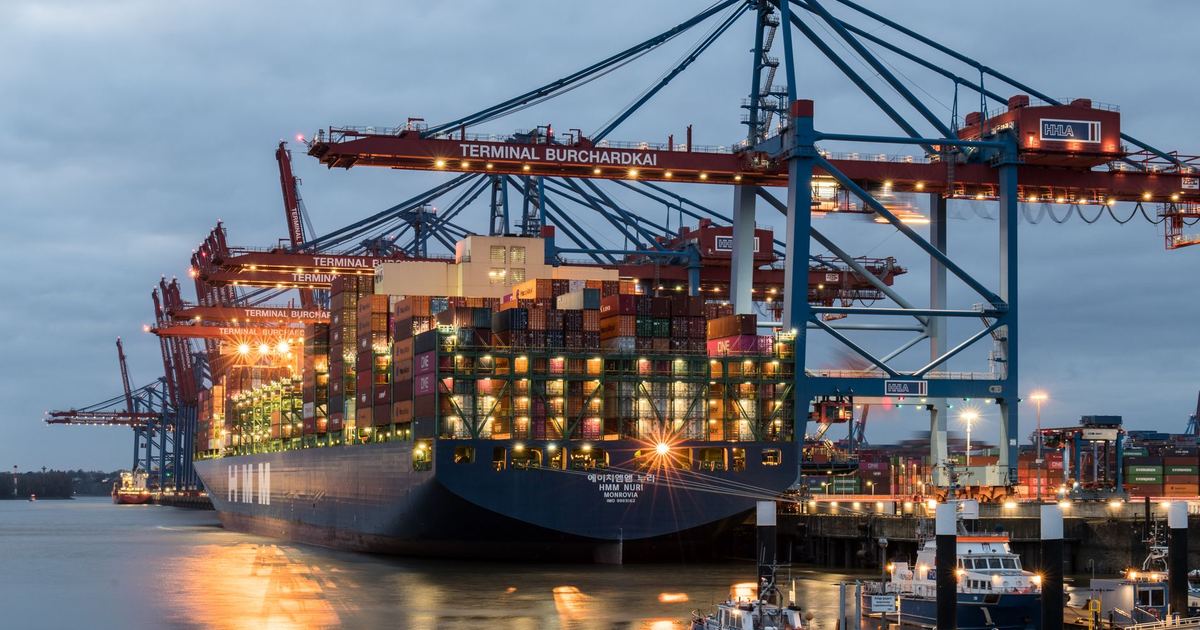
- Comprehensive overview of economic growth and import-export turnover across the first three quarters of 2026.
- Analysis of capacity constraints on international and domestic logistics infrastructure amidst surging freight volumes.
- Cost optimization strategies across ocean and air freight modes for manufacturing enterprises.
- The vital role of proactive regulatory compliance and customs clearance in sustaining seamless trade flows.
- End-to-end solutions with VPL to stabilize supply chains and drive year-end operational acceleration.
Economic and Trade Landscape in Q1–Q3 2026 from a Logistics Perspective
Entering the first three quarters of 2026, Vietnam's economy recorded positive recovery and growth signals, particularly in manufacturing and international trade. Import and export cargo throughput across seaports and international airport cargo terminals surged significantly, creating robust economic momentum while simultaneously imposing substantial operational challenges on freight logistics infrastructure. For manufacturers and trading enterprises, this period represents not only market expansion opportunities but also a critical stress test of supply chain management capabilities—from demand forecasting to multimodal freight mode selection.
Operationally, numerous Vietnamese shippers face bottlenecks when cargo dwell times and clearance throughput at major gateway seaports or air cargo terminals experience localized congestion during peak seasons. Surging booking volumes require logistics managers to adopt long-term procurement foresight, securing advance space allocations with ocean carriers and airlines rather than relying exclusively on spot market rates. Proactively tracking trade lane growth allows businesses to mitigate empty container deficits, warehouse space shortages, and sudden freight rate volatility, thereby safeguarding net export margins per consignment.
To navigate this growth trajectory effectively, enterprises must conduct comprehensive operational reviews of their existing freight forwarding workflows. VPL advises importers and exporters to establish strategic partnerships with integrated logistics service providers to ensure end-to-end supply chain continuity. Furthermore, maintaining real-time operational visibility into gateway border crossings and key hub ports enables cargo owners to dynamically adjust production and dispatch schedules, minimizing transit delays to international consignees.
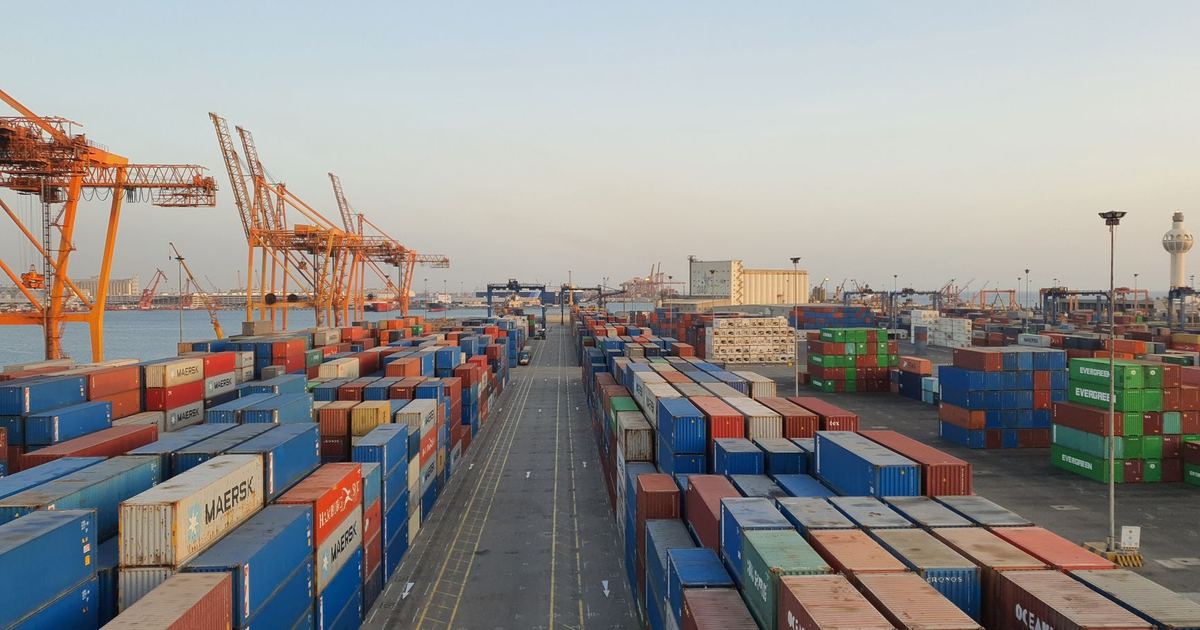
Infrastructure Bottlenecks and Cost Pressures in Multimodal Freight Transport
The aggressive surge in cargo volumes throughout the first nine months of 2026 has exerted intense pressure on both domestic and international logistics infrastructure. Across drayage corridors linking industrial zones to deep-water container terminals, localized bottlenecks during peak hours or adverse weather events have recurred frequently. This extends inland transit times, directly jeopardizes contractual delivery timelines, and incurs unwanted demurrage, detention, and warehouse storage fees without proactive transport orchestration.
A typical scenario faced by footwear and electronics manufacturers across southern industrial hubs involves container trucks queuing for hours at terminal gates due to carrier blank sailings, sudden vessel schedule omissions, or protracted specialized regulatory inspections. To resolve these friction points, adopting multimodal transport models—seamlessly integrating road haulage, inland waterways, and rail freight—has become imperative. Shippers must collaborate closely with freight forwarders to engineer agile routing schedules and leverage alternative corridors, easing reliance on congested highway corridors.
VPL consistently supports clients in dissecting logistics cost breakdowns, encompassing ocean and air base freight, bunker adjustment factors, and local terminal handling charges. We assist shippers in optimizing cargo packaging, unitization, and container or pallet space utilization, achieving substantial unit-cost economies. Rigorous technical readiness and streamlined standard operating procedures remain pivotal to insulating supply chains against infrastructure volatility and cost spikes.
Supply Chain Optimization for Specialized Cargo and Dangerous Goods
Market expansion in 2026 has also catalyzed increased trade volumes of regulated commodities requiring stringent transport conditions, including industrial chemicals, lithium batteries, and high-tech equipment classified as dangerous goods. Transporting these consignments demands rigorous adherence to international standards regarding classification, packaging, labeling, and shipping documentation under the IATA Dangerous Goods Regulations and the IMDG Code. Minor discrepancies in an MSDS or hazard markings can result in carrier rejection at the terminal, triggering heavy financial penalties and severe supply disruptions.
In practice, many emerging exporters of chemicals or battery-powered equipment struggle with the intricate compliance mandates of international maritime and aviation transport. Discrepancies are frequently uncovered only after consignments arrive at airport cargo terminals or port container yards, leading to cargo holds, astronomical storage surcharges, and missed shipping windows. Consequently, mastering commodity classification and verifying complete regulatory documentation right from the plant floor are decisive factors for seamless transit.
VPL delivers specialized, turnkey logistics solutions for dangerous goods and sensitive cargo, guaranteeing absolute compliance with prevailing international safety standards. Our certified technical specialists guide shippers through chemical composition reviews, UN packaging certification, dangerous goods declaration preparation, and expedited customs clearance. Through stringent verification protocols, regulatory, legal, and operational liabilities are mitigated upfront, affording total peace of mind to cargo owners.
Customs Clearance Strategy and Risk Management during Peak Volume Cycles
The peak trade period of Q1–Q3 2026 has also witnessed heightened enforcement of specialized inspection regimes and automated customs risk management criteria aimed at commercial transparency. Shippers failing to update HS code classifications, customs valuation rules, or specialized import/export licenses risk extended physical customs inspections. This not only freezes working capital due to cargo detention but also accrues punitive terminal demurrage and bonded warehouse charges.
A recurring example involves raw material shipments imported for seasonal manufacturing: discrepancies between commercial invoice descriptions and customs risk control catalogs frequently trigger mandatory laboratory sampling and technical inspection holds. To prevent such disruptions, enterprises should consult experienced customs brokers during foreign trade contract negotiations. Accurate tariff classification and pre-clearance technical document compilation ensure immediate cargo release upon port of entry arrival.
Leveraging extensive customs clearance experience at major gateway ports and border checkpoints, VPL conducts thorough pre-arrival documentation audits before vessels berth. We interface directly with customs authorities on behalf of importers and exporters, resolving technical inquiries and mitigating procedural discrepancies swiftly. VPL's comprehensive brokerage solutions compress cargo dwell times and accelerate inventory turnover across all market cycles.
Frequently Asked Questions
What proactive measures should enterprises take to hedge against freight rate volatility during 2026 peak seasons?
Shippers should negotiate long-term service contracts with ocean carriers or reputable forwarders to secure committed rate levels and guaranteed space allocations, while maintaining strategic safety stock buffers.
How can shippers prevent carrier cargo rejections for sensitive commodities or dangerous goods?
Shippers must meticulously verify technical parameters on the Safety Data Sheet (SDS), utilize UN-certified packaging, ensure compliant hazard labeling, and partner with qualified logistics specialists like VPL for pre-shipment document auditing.
What tangible benefits does multimodal freight offer amidst infrastructure congestion?
Multimodal transport flexibly combines inland barging, rail, and road drayage, effectively bypassing highway bottlenecks, cutting overall carbon and freight costs, and avoiding congestion at major container terminals.
Why is precise HS code classification critical to customs clearance velocity?
The HS code dictates applicable tariff rates, duty exemptions, and specialized inspection requirements; correct classification prevents tariff reassessments, punitive administrative fines, and clearance delays resulting from mandatory re-appraisal.
How does VPL support small and medium-sized exporters in optimizing their supply chains?
VPL provides integrated door-to-door logistics solutions, customs brokerage, and secure multimodal transportation, allowing SMEs to minimize transit overheads and focus resources on their core manufacturing operations.
This article is for general information and was compiled by VPL from public sources at the time of publication. Regulations may change – please contact VPL for advice on your specific shipment.