

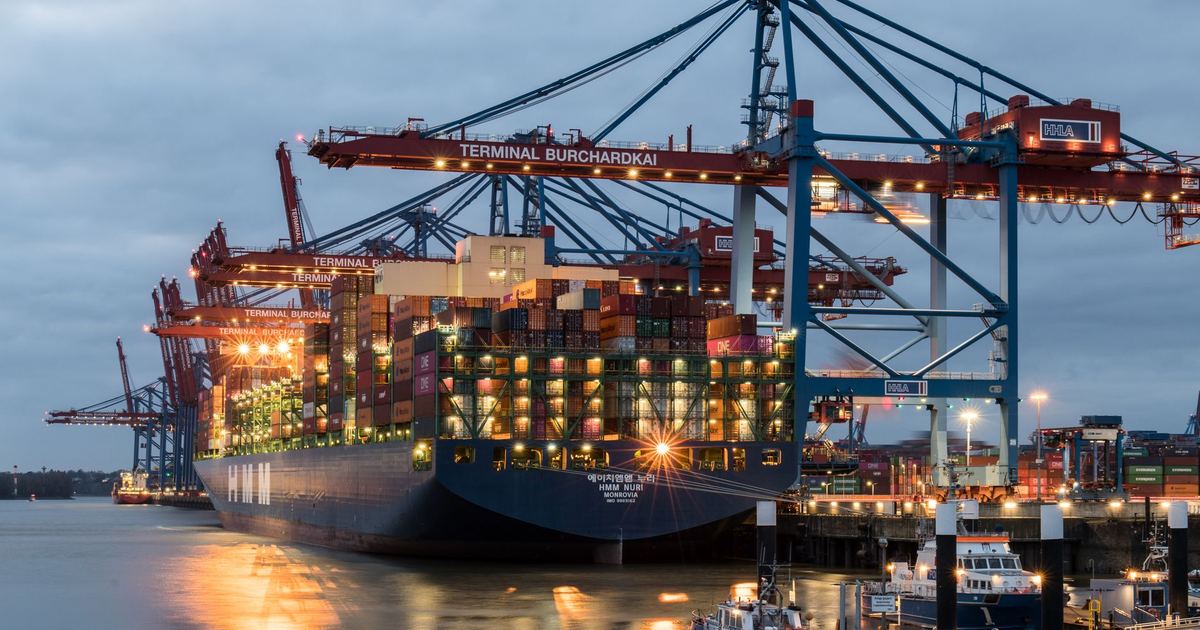
- Vietnam's trade turnover sustains positive growth momentum, driven by enterprise efforts and free trade agreements.
- Logistics serves as the backbone, determining cargo clearance speed and landed costs across international markets.
- Enterprises must optimize transport modes, particularly for specialized cargo such as dangerous goods and air freight.
- VPL partners with businesses to resolve customs clearance, domestic hauling, and end-to-end international freight forwarding requirements.
Vietnam's Import-Export Growth Landscape
Amid global economic fluctuations, Vietnam's import-export activities have sustained an encouraging growth momentum. Driven by an extensive network of newly signed and effectively implemented next-generation Free Trade Agreements (FTAs), Vietnamese goods are expanding further into stringent markets across Europe, North America, and the Asia-Pacific region. This increase in trade turnover reflects enhanced domestic manufacturing capabilities while demonstrating the strong appeal of the local investment environment.
However, the rapid surge in import-export cargo volumes also places considerable pressure on infrastructure and logistics services. From major seaports in the Ho Chi Minh City and Hai Phong areas to warehousing systems and customs brokerage services, continuous modernization is imperative to meet escalating cargo transit demands.
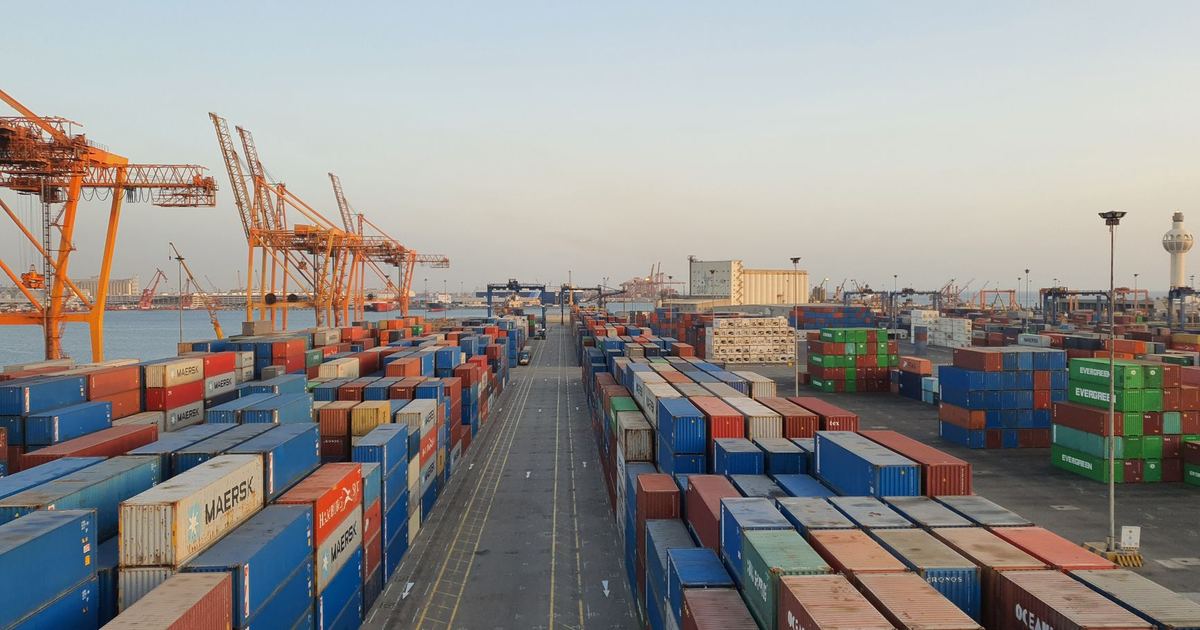
The Role of Logistics in Maintaining a Resilient Supply Chain
Logistics extends beyond simple point-to-point carriage; it serves as the lifeblood of international commerce. An efficient supply chain enables enterprises to optimize costs, reduce transit times, and sharpen their competitive edge in global markets. Especially for time-sensitive cargo or consignments requiring stringent temperature and storage control—such as fresh agricultural produce, electronic components, or dangerous goods (DG)—selecting a reputable logistics service provider is pivotal.
- Optimizing international ocean and air freight costs.
- Mitigating regulatory risks through strict compliance with customs regulations.
- Ensuring absolute cargo safety throughout multimodal transport operations.
Challenges for Import-Export Enterprises in the New Era
Despite positive growth indicators, Vietnamese import-export enterprises face numerous hurdles. Volatile fuel surcharges, emerging environmental regulations (such as carbon border adjustment mechanisms), and rigorous international maritime and aviation safety requirements demand thorough operational readiness.
Furthermore, complying with specialized inspection procedures and preparing accurate shipping documentation—such as dangerous goods declarations, commercial invoices, bills of lading, and import-export licenses—can encounter bottlenecks if operational personnel are not well-versed in the latest regulatory mandates issued by governing authorities.
Logistics Optimization Solutions from VPL
Understanding the challenges faced by the trade community, Viet Power Logistics Co., Ltd. (VPL) provides a comprehensive logistics ecosystem. Backed by specialized expertise in handling dangerous goods (DG) in full compliance with international standards, alongside ocean freight (FCL/LCL), air cargo, and end-to-end customs clearance services, we are committed to supporting the sustainable development of our clients.
Every consignment is assessed by our team of specialists to deliver optimal solutions regarding transit time, cost-efficiency, and safety. Contact VPL today for professional assistance with all your international import and export requirements.
This article is for general information and was compiled by VPL from public sources at the time of publication. Regulations may change – please contact VPL for advice on your specific shipment.