

- The three lithium battery configurations: standalone, packed with equipment and contained in equipment.
- Standalone lithium batteries are currently forbidden on passenger aircraft and must travel on Cargo Aircraft Only (CAO) flights.
- Batteries packed with or contained in equipment may travel on passenger aircraft if they meet the correct capacity limits, state of charge (SoC) and packing requirements.
- Shippers should prepare technical documents such as the UN 38.3 Test Summary and the MSDS before booking air freight.
In the modern electronics supply chain, lithium batteries are a very common product, yet they are dangerous goods (Class 9) and among the most tightly controlled by the International Air Transport Association (IATA). To choose the right flight option, save costs and ensure flight safety, companies need to understand the battery configuration categories and the rules on which aircraft may carry them.
1. The three lithium battery packing configurations
Air dangerous goods regulations divide lithium batteries into two main chemistries: lithium ion (rechargeable, commonly used in phones, laptops and electric vehicles) and lithium metal (single-use, containing metallic lithium, commonly used in watches and medical devices). Each chemistry is further classified by three real-world configurations when shipped:
- Standalone batteries: The package contains only individual cells or battery packs, without any equipment that consumes the power (such as power banks, or battery cells shipped for assembly). The corresponding UN numbers are UN 3480 (lithium ion) and UN 3090 (lithium metal).
- Packed with equipment: The batteries are not installed inside the device but are placed in the same box or packaging (for example, a drill with a spare battery in the tool case). The corresponding UN numbers are UN 3481 (lithium ion) and UN 3091 (lithium metal).
- Contained in equipment: The battery is fully installed inside the circuit board and body of the device that consumes the power (for example, a complete phone, laptop or GPS device). The corresponding UN numbers are UN 3481 (lithium ion) and UN 3091 (lithium metal).
2. When can they fly on passenger aircraft, and when is cargo aircraft (CAO) mandatory?
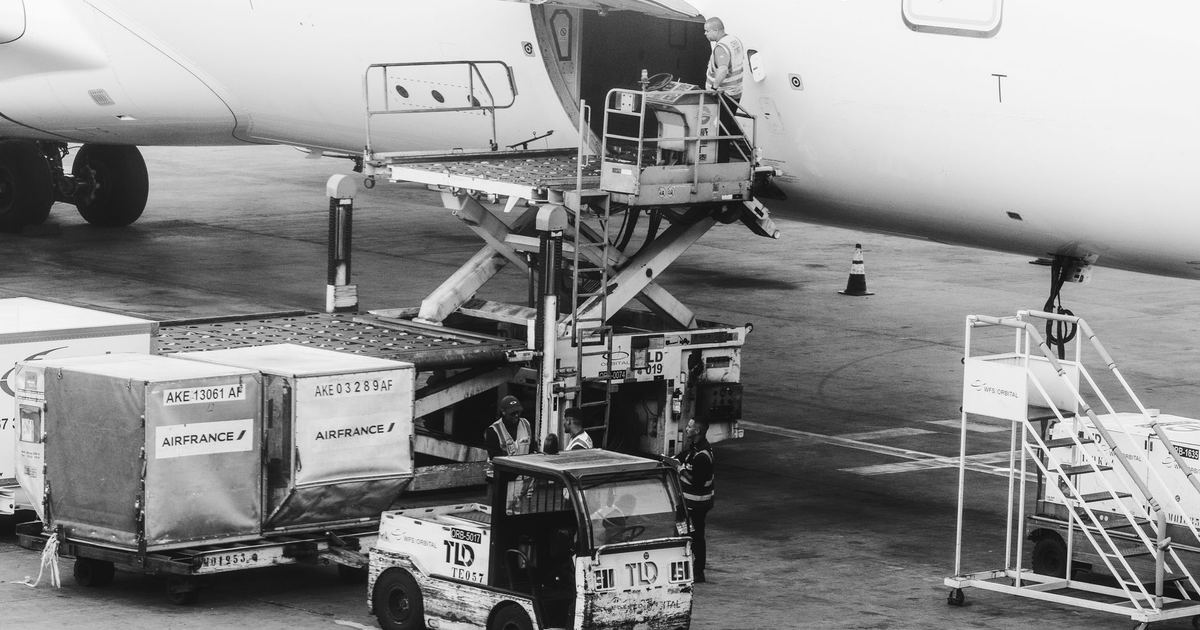
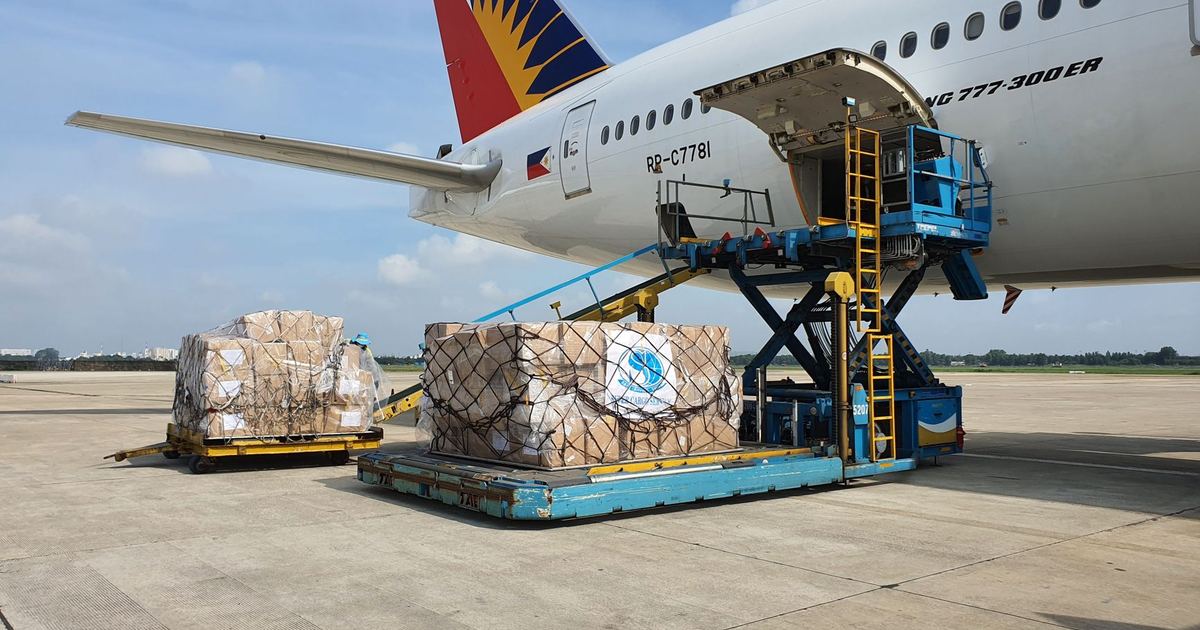
The configuration and energy level directly determine whether a shipment can fly on a passenger aircraft (PAX), carried in the belly hold, or must be booked on a dedicated Cargo Aircraft Only (CAO) flight.
Rules for standalone batteries (UN 3480 & UN 3090)
Under current international aviation safety regulations:
- Strictly forbidden on passenger aircraft: All commercial-scale shipments of standalone lithium batteries (UN 3480 and UN 3090) may not be carried on passenger flights.
- Cargo aircraft (CAO) is mandatory: Standalone batteries can be shipped only on dedicated cargo aircraft. The package must carry the distinctive orange-and-black CAO (Cargo Aircraft Only) label together with the Class 9 hazard label.
- State of Charge (SoC) requirement: Standalone lithium-ion batteries (UN3480) must have an SoC not exceeding 30% of rated capacity. From 01/01/2026, under IATA DGR 67th edition, this requirement also applies mandatorily to lithium-ion batteries packed with equipment (UN3481, batteries over 2.7 Wh) and to vehicles powered by lithium-ion batteries (UN3556, batteries over 100 Wh).
Rules for batteries packed with or contained in equipment (UN 3481 & UN 3091)
For these two configurations, the fire and explosion risk is assessed as lower because the battery is protected by the device casing or by separate packaging:
- Permitted on passenger aircraft: Equipment containing batteries, or packed with batteries, that meets the standard capacity thresholds (for example, ion cells not exceeding 20 Wh and ion battery packs not exceeding 100 Wh; or metal batteries with lithium content not exceeding the specified threshold) and is protected against short circuit and accidental activation will be accepted on passenger aircraft.
- When cargo aircraft becomes necessary: Batteries exceeding 20 Wh per cell or 100 Wh per pack must be fully declared (Section I), use UN-specification packaging and Class 9 labels, but can still travel on passenger aircraft. A shipment is required to use cargo aircraft only when the quantity of batteries in the package exceeds the passenger aircraft limit in the applicable Packing Instruction.
3. Summary of transport conditions by configuration
| Shipping configuration | UN number | Passenger aircraft (PAX) accepted | Cargo aircraft (CAO) mandatory | Key technical requirements |
|---|---|---|---|---|
| Standalone lithium-ion | UN 3480 | No | Mandatory | SoC ≤ 30%, CAO label; UN packaging and Class 9 label for fully declared goods (Section IA) |
| Standalone lithium metal | UN 3090 | No | Mandatory | UN packaging, Class 9 label and CAO label |
| Lithium-ion packed with/contained in equipment | UN 3481 | Yes (if within limits) | When the battery quantity per package exceeds the limit | Prevent short circuit and accidental activation; batteries packed with equipment: SoC ≤ 30% (mandatory from 01/01/2026) |
| Lithium metal packed with/contained in equipment | UN 3091 | Yes (if within limits) | When the quantity/content exceeds the limit | Prevent short circuit; sturdy device casing |
4. Practical recommendations for importers and exporters
To keep clearance and flights running smoothly and avoid the risk of the airline refusing the cargo (offloading) or incurring storage costs, companies should take the following steps in advance:
- Obtain the UN 38.3 Test Summary: Every lithium battery shipped by air must have passed the tests simulating pressure, temperature and impact conditions under UN 38.3. The airline may ask to see this document at any time.
- Provide the Safety Data Sheet (MSDS): The MSDS should clearly show the Wh rating (for ion batteries) or the lithium content in grams (for metal batteries), so that the correct Packing Instruction (PI) can be determined.
- Pack and label correctly: Use sturdy packaging, cushion with non-conductive material, and apply the full lithium battery mark showing the UN number and an emergency contact telephone number.
At Viet Power Logistics (VPL), we are ready to help customers check battery documentation, advise on labelling and packing under the current DGR, and choose the safest and most cost-effective flight routing.
This article is for general information and was compiled by VPL from public sources at the time of publication. Regulations may change – please contact VPL for advice on your specific shipment.