

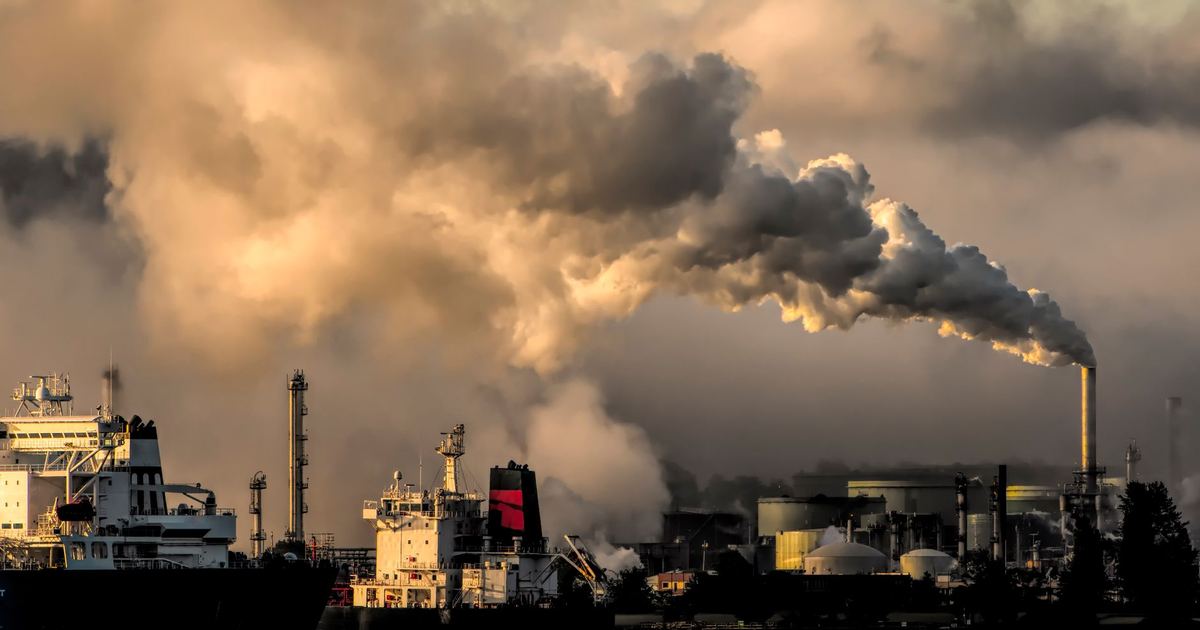
- Analysis of varying carbon emission levels across ocean, air, and road transport modes.
- Advantages of multimodal transport in optimizing transit times and environmental sustainability.
- Key criteria guiding Vietnamese enterprises in choosing greener freight solutions.
- The role of dangerous goods (DG) management in decarbonization roadmaps.
Green Logistics and the Decarbonization Challenge
Amid global climate change, the concept of "Green Logistics" is no longer a temporary trend but has become an imperative for Vietnamese import-export enterprises. Reducing the supply chain carbon footprint not only ensures compliance with stringent international regulations but also enhances brand reputation in the global marketplace. One of the most pivotal decisions directly impacting emission volumes is modal selection.
At Viet Power Logistics (VPL), we recognize that every transport mode features unique characteristics regarding speed, cost, and environmental impact. Understanding these distinctions enables shippers to establish sustainable logistics strategies.
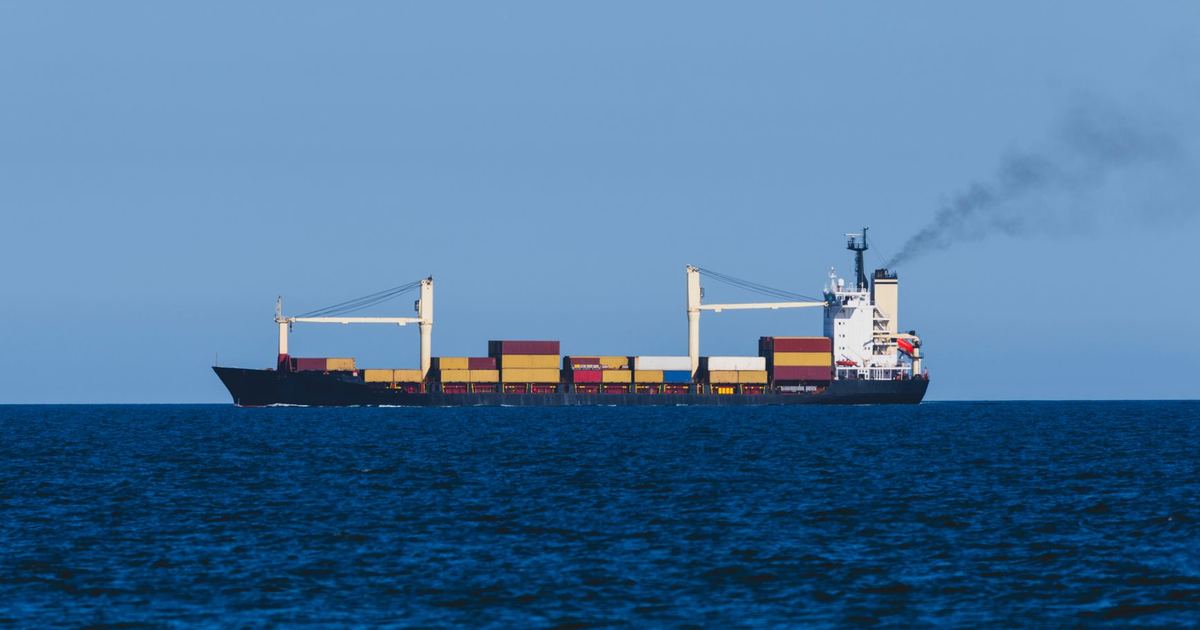
Comparative Emissions Across Transport Modes
Greenhouse gas emissions (predominantly CO2) in freight transport are typically calculated based on cargo weight and transit distance (tonne-kilometers). Below is a relative comparison among common modes:
| Mode | Speed | Cost | CO2 Emission Level |
|---|---|---|---|
| Air Freight | Very Fast | High | Very High |
| Ocean Freight | Slow | Low | Lowest |
| Road Freight (Trucking) | Moderate | Moderate | High |
| Rail Freight | Moderate | Moderate | Low |
Based on the comparison, ocean freight is the most environmentally friendly mode per unit of cargo. In practice, however, modal choice depends not only on emission factors but also on commodity characteristics, lead-time requirements, and safety regulations—particularly for dangerous goods (DG).
Air Freight: High Speed Coupled with Substantial Emissions
Air freight is a core strength of VPL, particularly for urgent consignments or time-critical dangerous goods. Nevertheless, it also exhibits the highest emission intensity, several times higher than maritime transport. Consequently, we frequently advise clients to utilize air transport selectively—for high-value commodities, perishables, or urgent replacement parts for emergency breakdown maintenance—to optimize energy efficiency.
Ocean Freight: A Sustainable Solution for High Volumes
With the capacity to transport thousands of containers per voyage, ocean freight (including both FCL and LCL) minimizes emissions per unit transported. For enterprises with stable production schedules, modal shifting from air to ocean represents the most expeditious pathway to substantially reduce entire supply chain carbon emissions.
Multimodal Transport: An Optimal Balanced Solution
Multimodal transport involves the integration of at least two distinct transport modes. It is widely considered the key to balancing transit speed against environmental impact. A prominent example is the Sea-Air model:
- Cargo is transported by sea from the port of origin to a major transshipment hub (such as Dubai or Singapore).
- The consignment is then transferred to air freight to reach its final destination.
This model reduces freight costs and emissions compared to pure air freight, while delivering significantly faster transit times than all-water routes. At VPL, we engineer flexible multimodal route networks, helping businesses maximize the advantages of each transport mode.
Key Considerations When Selecting Green Transport Modes
To determine the most appropriate transport mode aligned with decarbonization objectives, enterprises should evaluate the following criteria:
- Cargo Characteristics: Dangerous goods (DG) are subject to stringent modal restrictions under the IATA DGR and the IMDG Code. Ensuring strict compliance with DG classification and packaging standards not only maintains safety but also prevents resource waste arising from incidents, rejections, or re-forwarding.
- Supply Chain Planning: Accurate demand forecasting grants shippers the necessary lead times to utilize ocean freight rather than relying on emergency air shipments.
- Packaging Optimization: Minimizing tare packaging weight and maximizing container cubing (for LCL cargo) reduces the total number of required vehicle and vessel movements, thereby curbing indirect emissions.
- Strategic Incoterms Selection: Understanding transport responsibilities under Incoterms enables cargo owners to proactively nominate logistics service providers with verifiable environmental commitments.
The Role of Viet Power Logistics in Sustainable Logistics Roadmaps
At Viet Power Logistics, we do not merely provide carriage services; we act as strategic consultants for our clients. Focusing on dangerous goods and international freight forwarding, we support enterprises through:
"We believe that every shipment optimized in route and transport mode represents a step closer to the sustainable development goals of Vietnamese enterprises."
- Consulting on modal shifts from pure air to multimodal solutions to lower costs and carbon footprints.
- Professional handling of complex commodities and dangerous goods (e.g., lithium batteries, chemicals), ensuring the safest routing and mitigating environmental hazards.
- Delivering integrated customs clearance and turnkey door-to-door forwarding services, minimizing empty backhauls and optimizing inland haulage equipment utilization.
Selecting the optimal transport mode to reduce emissions requires a meticulous balance between economic efficiency and environmental responsibility. VPL stands ready to partner with your enterprise to develop green, efficient, and safe logistics solutions.
This article is for general information and was compiled by VPL from public sources at the time of publication. Regulations may change – please contact VPL for advice on your specific shipment.