


- Dry ice is classified as UN1845, Class 9 dangerous goods in air transport, even when used solely as a refrigerant.
- Packaging must permit the release of carbon dioxide gas; hermetic sealing is strictly prohibited.
- Packages must display the proper shipping name, UN1845, net quantity (kg), and bear a Class 9 hazard label.
- Standard limits are typically 200 kg net per package, subject to airline variations and DGR editions.
- Shippers should confirm specific acceptance requirements with the carrier or freight forwarder before packaging.
Pharmaceuticals, vaccines, biological specimens, and frozen foodstuffs often require deep refrigeration throughout air transit. A common solution is the use of dry ice (solid carbon dioxide). However, what many shippers overlook is that dry ice itself is classified as dangerous goods in air transport; hence, the entire consignment must comply with DG regulations even if the inner contents are merely routine diagnostic specimens or non-hazardous pharmaceuticals.
1. Why Dry Ice Is Classified as Dangerous Goods
Dry ice is assigned UN number UN1845, with the proper shipping name “Carbon dioxide, solid” or “Dry ice”, and falls under Class 9 (Miscellaneous dangerous substances and articles). While non-flammable and non-toxic, it sublimates into gaseous CO2:
- In cargo holds or confined spaces, accumulating CO2 gas can displace oxygen, posing asphyxiation hazards to flight crew and ground handling personnel.
- If packaging is hermetically sealed, the buildup of gas pressure may cause the package to swell, rupture, or explode.
- The cryogenic temperatures of dry ice can cause severe frostbite or cryogenic burns upon direct skin contact.
Consequently, the aviation industry regulates dry ice under the IATA Dangerous Goods Regulations (DGR), derived from the ICAO Technical Instructions. The prevailing edition is the 67th edition of the DGR, effective from 01/01/2026.
2. Key Requirements Under Packing Instruction 954
Dry ice used as a refrigerant is governed by Packing Instruction 954. References to the ICAO TI for the 2025–2026 cycle indicate that UN1845 is accepted on both passenger and cargo aircraft, typically with a net quantity limit of 200 kg per package. Key provisions include:
| Parameter | Practical Consideration |
|---|---|
| Packaging | Must permit the release of carbon dioxide gas and prevent pressure buildup (never use airtight screw-top jars or sealed plastic containers directly for dry ice). |
| Package Dimensions | Sufficiently large to accommodate all mandatory labels and markings. |
| Inner Contents | Temperature-sensitive goods must be securely packed to prevent shifting as the dry ice sublimates and volume decreases. |
| Quantity Limitations | Typically 200 kg net per package; may vary depending on aircraft type, DGR edition, and individual operator variations. |
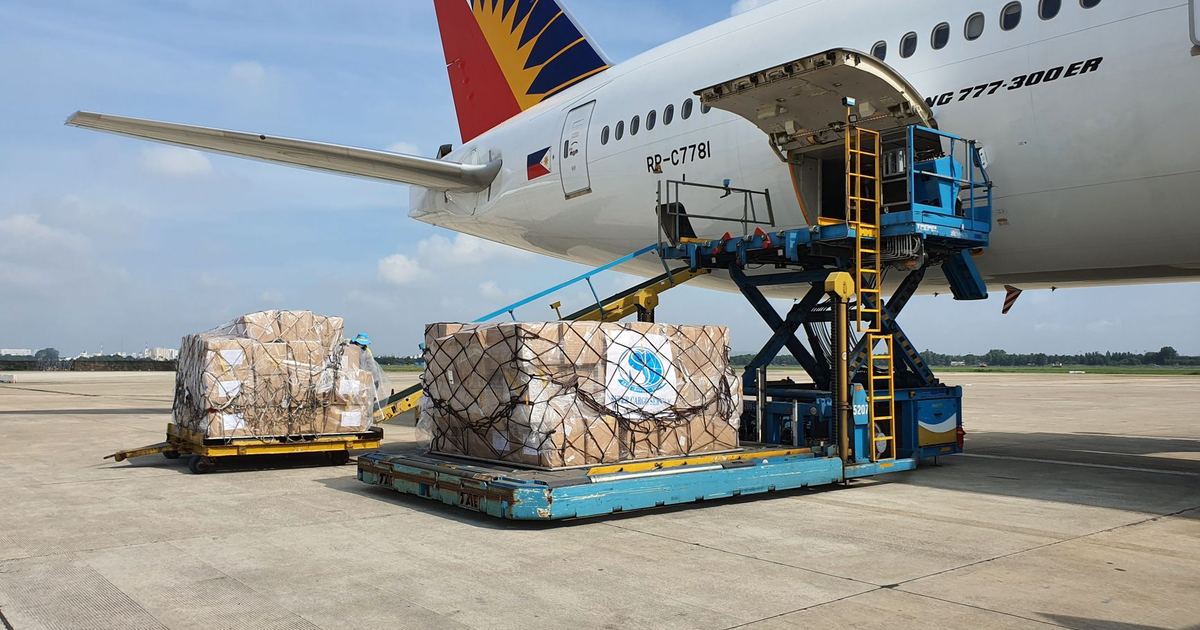
Where dry ice is used solely as a refrigerant for non-dangerous goods loaded in a ULD or pallet, the DGR provides a special provision (A151) that relaxes standard per-package quantity limitations. The application of this provision depends on the specific case and should be confirmed in advance with the operating carrier or freight forwarder.
3. Marking, Labelling, and Documentation
According to carrier guidelines and standard industry references, each package or overpack containing dry ice must display:
- The proper shipping name (“Carbon dioxide, solid” or “Dry ice”) and UN1845.
- The net quantity of dry ice in kilograms (kg) marked on the exterior.
- A Class 9 hazard label affixed to the package, along with the full shipper and consignee names and addresses.
On the Air Waybill (AWB), the Nature and Quantity of Goods box must typically indicate UN1845, the proper shipping name, number of packages, and the net quantity of dry ice per package. Critical note: the stated weight should reflect the net quantity of dry ice at the time of carrier tender, rather than the initial packing weight if sublimation has occurred.
Specific documentation formats on the AWB and the Shipper's Declaration may vary by scenario and airline; confirm requirements prior to finalizing documents.
4. Common Pitfalls in Dry-Ice Refrigerated Shipments
- Failing to declare dry ice under the misconception that it is merely ancillary packaging material.
- Hermetically sealing packaging without adequate gas venting paths.
- Underestimating dry ice quantity relative to total transit time, causing temperature excursions prior to arrival, particularly during flight delays or transshipments.
- Inaccurate weight declarations or omitting the "kg" unit on packaging marks and shipping documents.
- Failing to verify carrier acceptance on the intended routing, despite potential airline-specific operator variations.
5. Practical Implications for Vietnamese Shippers
Pharmaceutical manufacturers, diagnostic laboratories, and exporters of seafood or frozen foodstuffs moving cold-chain cargo by air should treat dry ice as an integral dangerous goods compliance matter from the outset. This proactive approach minimizes airport rejections, storage surcharges, and spoilage risks for temperature-sensitive cargo.
Prepare detailed cargo details in advance, including commodity type, target temperature range, estimated transit time, dry ice quantity, and packaging specifications. VPL provides comprehensive support with document audits, packing and labelling guidance, compliance checks, and carrier bookings. Shippers are advised to consult prior to final packing for shipment-specific advisory.
This article is for general information and was compiled by VPL from public sources at the time of publication. Regulations may change – please contact VPL for advice on your specific shipment.