


- Fuel constitutes a major proportion of road, ocean, and air freight rates.
- The knock-on effect of fuel prices extends to warehousing costs, packaging, and final product pricing.
- Fuel surcharge adjustment mechanisms (BAF, FSC) serve as carriers' instruments to recover operating costs.
- Routing and modal optimization strategies help enterprises alleviate financial strain.
The Close Correlation Between Fuel Prices and the Logistics Industry
In the logistics sector, petroleum and fossil fuels are regarded as the "lifeblood" sustaining overall operational flow. From inland trucking fleets and ocean-going container vessels to cargo freighters, all depend heavily on this energy source. Consequently, any fluctuation in global or domestic fuel prices triggers a chain reaction across global logistics expenditure.
In Vietnam, logistics costs continue to account for a significant share of total product cost structures. As fuel prices climb, the pressure on import-export enterprises and transport operators intensifies. At VPL, we recognize that a clear understanding of fuel price mechanisms enables shippers and traders to proactively manage financial planning and determine optimal routing solutions.
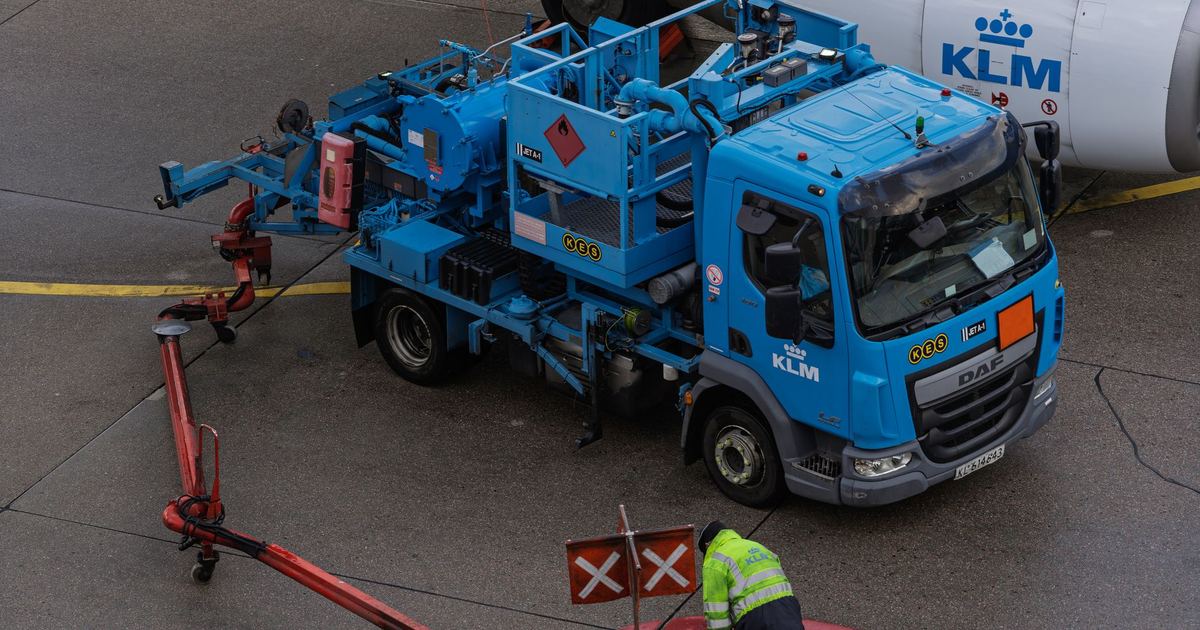
Direct Impacts on Core Transport Modes
Each mode of transport exhibits varying sensitivity to fuel volatility, yet overall, operating costs rise substantially during periods of escalating oil prices.
Road Freight: Immediate Repercussions
Road transport is the quickest and most directly affected mode. For trucking operators, fuel typically represents 30% to 40% of total operating expenses. When fuel costs rise, motor carriers must promptly revise their tariffs to safeguard breakeven thresholds. This directly affects inland haulage connecting manufacturing plants to seaports or airports (drayage/pre-carriage).
Ocean Freight: Bunker Adjustment Factor (BAF)
In international ocean shipping, ocean carriers implement fuel surcharges, commonly designated as BAF (Bunker Adjustment Factor), to offset fluctuations in bunker costs. This surcharge is routinely reviewed on a monthly or quarterly basis depending on trade lanes and individual liner carrier policies. For dangerous goods (DG) governed under the IMDG Code, stringent safety compliance already incurs substantial expenses; elevated bunker surcharges impose an additional financial burden on shippers.
Air Freight: Fuel Surcharge (FSC)
Analogous to ocean shipping, the aviation sector assesses a Fuel Surcharge (FSC). This forms an integral component of air freight quotations and is levied against the consignment's chargeable weight. Given the rapid transit and fuel-intensive nature of air cargo, aviation surcharges fluctuate sharply in line with world crude benchmark trends.
Indirect Ramifications for the Supply Chain
Beyond baseline freight rates, rising fuel costs generate indirect secondary impacts across various supply chain nodes that cargo owners may overlook:
- Warehousing expenses: The operation of material handling equipment (such as diesel forklifts), backup generators, and temperature-controlled cold storage facilities requires substantial energy input. As oil prices surge, storage tariffs and warehouse value-added service fees are typically revised upward.
- Packaging costs: Many packaging materials—including shrink wrap, plastic pallets, and cushioning foams—are petroleum derivatives. Increased raw material costs drive up cargo packaging expenditures, particularly for dangerous goods requiring certified, specialized UN specification packaging.
- Pressure on landed cost and product pricing: When all logistics input costs escalate, shippers must adjust commercial selling prices to safeguard profit margins, potentially eroding competitiveness across destination markets.
Strategic Solutions to Mitigate Fuel Volatility
To mitigate the adverse effects of rising fuel prices, VPL advises trading and manufacturing enterprises to evaluate the following strategies:
| Strategy | Key Benefits |
|---|---|
| Route optimization and cargo consolidation | Reduces trip frequencies, maximizes stowage factors, and decreases unit freight expenditure. |
| Modal shift | Explores multimodal transport options—such as combined sea-road logistics or long-haul domestic rail solutions—to lower fuel consumption. |
| Advance shipment scheduling | Eliminates expedited, emergency shipments that necessitate premium air freight and steep aviation fuel surcharges. |
| Long-term contract negotiations | Locks in fixed base freight rates or fuel surcharge collars with reliable freight forwarders to stabilize budget forecasts over defined terms. |
At VPL, we continually assist clients by designing adaptable freight solutions. For instance, rather than booking recurrent Less-than-Container Load (LCL) consignments, we evaluate options to consolidate cargo into Full Container Loads (FCL) to achieve economies of scale. For dangerous goods shipments, proper classification, packaging, and regulatory documentation from the outset in strict adherence to IATA DGR and IMDG Code mandates prevent costly storage and non-compliance penalties.
Conclusion
Fuel market volatility remains an external variable beyond individual commercial control. Nevertheless, through an informed understanding of cost drivers and the implementation of transport optimization measures, enterprises can proactively mitigate fiscal pressure. With specialized expertise in international freight forwarding and dangerous goods management, VPL stands ready to support your business in crafting the most cost-effective logistics architectures, even amid volatile energy conditions.
This article is for general information and was compiled by VPL from public sources at the time of publication. Regulations may change – please contact VPL for advice on your specific shipment.