

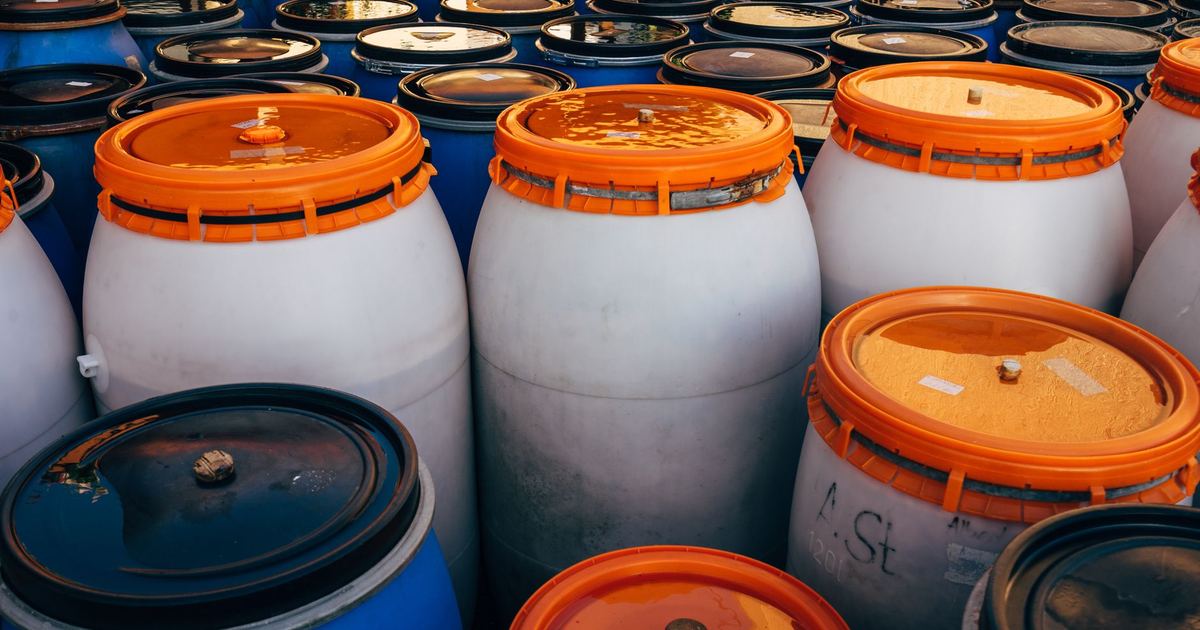
- LQ and EQ are two different mechanisms: LQ uses Y packing instructions, while EQ uses codes E0-E5.
- EQ limits are very small, for example code E1 allows at most 30 g/ml per inner packaging and 1,000 g/ml per outer packaging.
- Not every substance qualifies; if the LQ column shows Forbidden or the code is E0, the mechanism cannot be used.
- Confirm documentation requirements with the airline; the 68th edition of the DGR takes effect on 01/01/2027.
Many shippers have heard that "small quantities of dangerous goods don't need complicated procedures" and pack them like ordinary cargo. In reality, the regulations do relax certain requirements, but only when the conditions for the substance, quantity, packaging and marking are all met. This article explains the two mechanisms most often confused in air transport: Limited Quantity (LQ) and Excepted Quantity (EQ).
Two mechanisms, two different levels of relaxation
Both LQ and EQ sit within the dangerous goods regulatory framework (the IATA DGR, based on the ICAO Technical Instructions) and both are intended for small quantities, but they are not interchangeable.
| Criterion | Limited Quantity (LQ) | Excepted Quantity (EQ) |
|---|---|---|
| How to look it up | The "Limited Quantity" column of the List of Dangerous Goods; the packing instruction starts with the letter Y (e.g. Y341, Y344) | Codes E0-E5 in the List of Dangerous Goods; limits table in Section 2.6 of the DGR |
| Limits | Maximum net quantity per the relevant Y packing instruction (e.g. Y341 up to 1 L, Y344 up to 10 L); gross package weight not exceeding 30 kg (total) | Very small: up to 30 g/30 ml per inner packaging and 1,000 g/1,000 ml per outer packaging (code E1) |
| Marking | A diamond with the letter "Y" in the centre | A dedicated EQ mark (stating the class and the shipper's or consignee's name if not already shown on the package) |
| Level of relaxation | Reduced requirements for packaging, labelling and documentation | Greater relaxation, but with far smaller quantity limits |
Note: not every dangerous good qualifies. If the LQ column shows "Forbidden", or the EQ code is E0 (or blank for air transport), the substance cannot use the corresponding mechanism.
Excepted Quantity: the E code table and its conditions
The E code indicates the maximum quantity in each inner packaging and each outer packaging. Solids are measured in grams and liquids in ml:
| Code | Maximum per inner packaging | Maximum per outer packaging |
|---|---|---|
| E0 | EQ not permitted | |
| E1 | 30 g/ml | 1,000 g/ml |
| E2 | 30 g/ml | 500 g/ml |
| E3 | 30 g/ml | 300 g/ml |
| E4 | 1 g/ml | 500 g/ml |
| E5 | 1 g/ml | 300 g/ml |
- Packing several items together: when items with different E codes are combined in one package, the total quantity must follow the most restrictive code.
- Packaging: use combination packaging (a sturdy inner packaging placed in an outer packaging) with cushioning material. The packaging must withstand a 1.8 m drop test and a 24-hour stacking test without the inner packagings breaking or leaking.
- Marking: UN-specification packaging and danger labels are not required, but the EQ mark must be applied as prescribed.
- Documentation: a Shipper's Declaration for dangerous goods is generally not required; however, the air waybill must show the statement "Dangerous Goods in Excepted Quantities" and the number of packages as prescribed. Airlines may still have their own requirements.
Limited Quantity: where shippers commonly get stuck
- Look up the correct Y packing instruction: each UN number has its own Y instruction and maximum net quantity; there is no single figure for all goods.
- Package weight: the gross weight of an LQ package must not exceed 30 kg (this limit does not apply to overpacks under the rules of some carriers, so check when consolidating).
- Marking: a diamond with the letter "Y"; its dimensions may be smaller than the standard mark as prescribed.
- Documentation: reference sources report differing interpretations on whether a declaration is required, and many airlines have their own rules. Confirm with the airline or the freight forwarder before tendering the cargo, and do not assume.
Common mistakes
- Assuming "a small amount needs no declaration": EQ limits are very small; a single 100 ml bottle of a typical chemical already exceeds the E1 limit for an inner packaging.
- Confusing road/sea LQ with air LQ: limits and marks differ by transport mode. LQ/EQ cargo shipped by sea under the IMDG Code has its own tables, and air transport figures cannot simply be applied.
- Lacking supporting records: without the SDS and classification information (UN number, packing group), the E code or Y instruction cannot be determined.
- Forgetting to count each inner packaging: the limits apply to each inner packaging and to the total per outer packaging, not just to the total quantity of goods.
Update to note: DGR 68th edition from 01/01/2027
IATA has published the 68th edition of the DGR, effective 01/01/2027, with numerous changes concerning lithium/sodium batteries, marking and labelling, and State and operator variations. Companies should review their packing procedures, marking and staff training before that date, and re-check E codes and Y instructions against the edition in force at the time of shipment.
Practical implications for Vietnamese businesses
For samples, laboratory chemicals, cosmetics or components containing hazardous substances shipped abroad, LQ/EQ can help reduce cost and procedures, but only if classified correctly from the start. The safe sequence is: determine the UN number from the SDS, then look up the E code and Y instruction, then check packaging and marking, then confirm the requirements of the airline and the destination country.
VPL supports shippers in checking documents, reviewing packing and marking, preparing documentation and booking space with carriers for dangerous goods by air and by sea. If you are unsure whether your shipment falls under LQ, EQ or requires full declaration, send the SDS and shipment details for advice before packing.
This article is for general information and was compiled by VPL from public sources at the time of publication. Regulations may change – please contact VPL for advice on your specific shipment.