

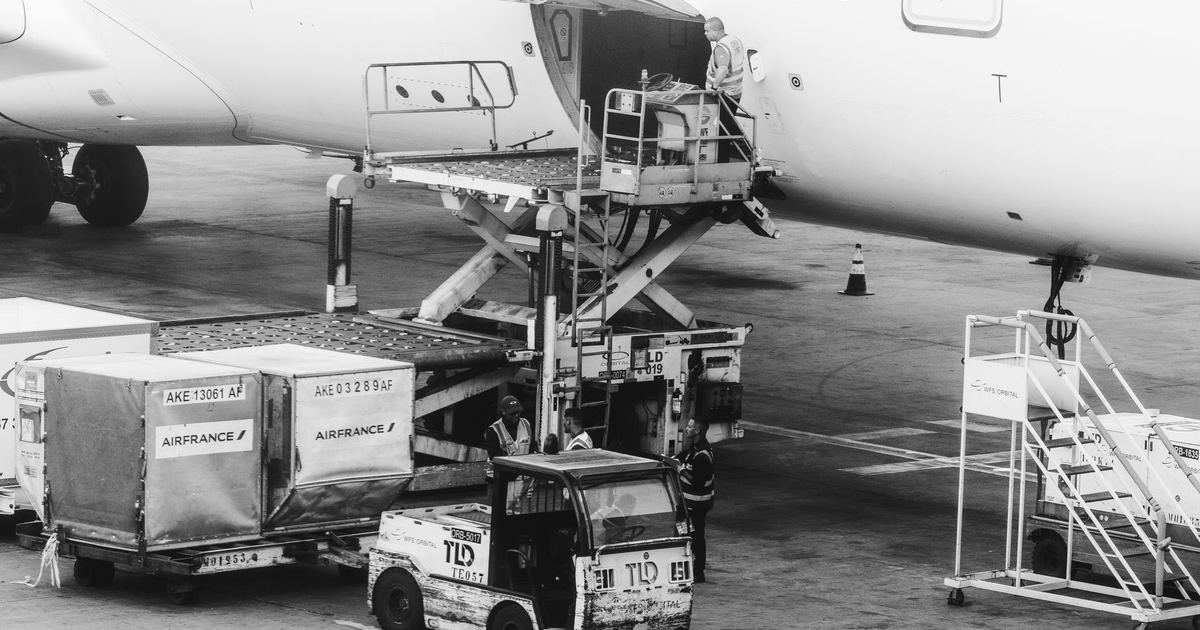
- Sea freight suits heavy, bulky, low-value, non-urgent cargo; air freight suits high-value, time-sensitive or perishable cargo.
- The cost gap is not only the rate per kg but also inventory costs, capital tied up in goods and the risk of production disruption.
- Dangerous goods are governed by two different rule sets: the IMDG Code for sea and the IATA DGR for air; some goods can go by sea but are restricted or forbidden by air.
- Global air cargo demand kept growing in August 2026 (IATA), so shippers should book early.
For many importers and exporters, the question “sea or air?” comes up with almost every shipment. There is no single right answer: a good choice balances total cost, required transit time and the nature of the cargo. This article offers a simple framework for shippers to assess their options before requesting a quotation.
1. Quick Comparison of the Two Modes
| Criteria | Sea freight (FCL/LCL) | Air freight |
|---|---|---|
| Transit time | Measured in weeks; depends on the route, vessel schedule, transshipment and port dwell time | Measured in days; depends on flights and airport procedures |
| Cost per kg | Low, especially for full container loads | Many times higher |
| Charging basis | FCL by container; LCL by m³ or tonne, whichever is greater | By chargeable weight: the greater of actual weight and volume weight |
| Best suited to | Heavy, bulky, low-to-medium-value cargo, large lots, stable schedules | High-value, compact, urgent or perishable cargo, samples, spare parts |
| Flexibility | Fewer sailings; delays are likely when ports are congested | More flights on main routes, but space can be scarce in peak season |
Note: the actual gap changes constantly with the route, the season and fuel prices, so ask for an up-to-date quotation for each shipment rather than relying on average figures found online.
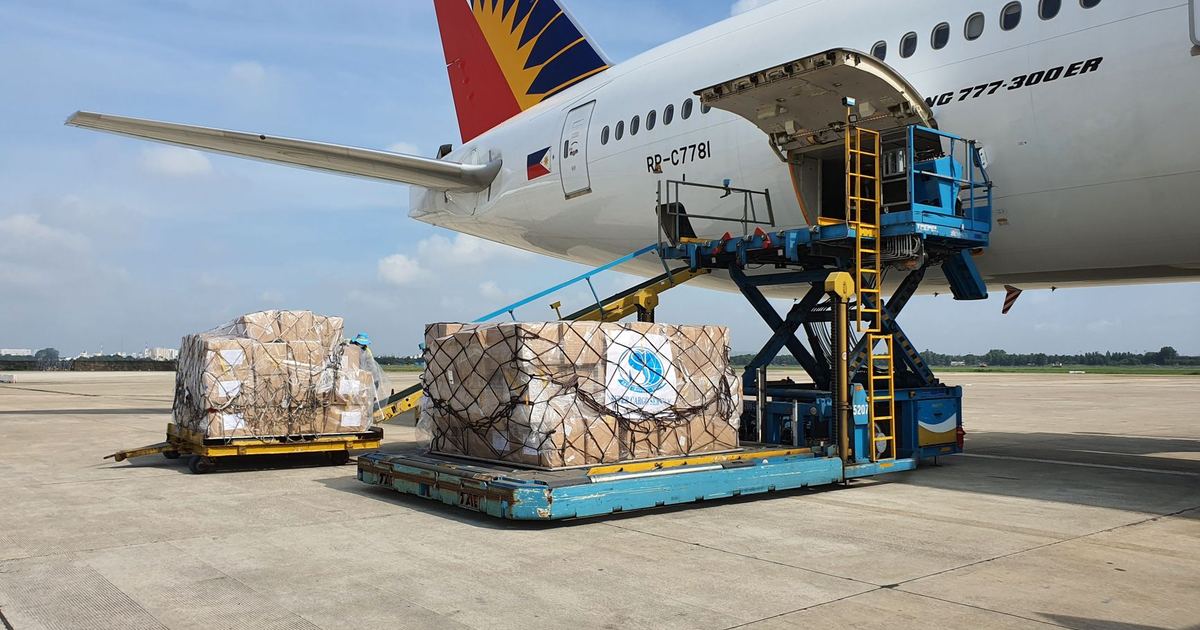
2. Do Not Look Only at the Rate per kg
A low freight rate is not necessarily a low cost. When comparing, put the following items side by side:
- Financing cost: sea cargo stays “in transit” longer, so capital is tied up for longer.
- Inventory cost: with sea freight you usually need to hold more safety stock to avoid shortages.
- Disruption risk: a single missing component can halt an entire production line; in that case air freight is a small cost compared with the loss.
- Packing, insurance and terminal costs: each mode has a different surcharge structure (port charges, airport cargo handling fees, fuel surcharges and so on).
- Taxes and procedures: the customs value may include freight and insurance depending on the delivery terms (Incoterms), so higher freight can lead to higher import duty.
A practical approach is to split the shipment: send the urgent portion by air and the rest by sea, or use sea freight for regular orders and keep air freight for ad hoc orders.
3. Dangerous Goods: Different Rules for Each Mode
For chemicals, lithium batteries, aerosols, flammable liquids and similar goods, the choice of mode also depends on the specific rules:
- Sea freight is governed by the IMO's IMDG Code. According to industry notices, the 2024 edition (Amendment 42-24) becomes mandatory from 1 January 2026.
- Air freight is governed by the IATA DGR; the 67th edition (2026) takes effect from 1 January 2026.
The two rule sets are not identical. Air is usually stricter: lower quantity limits per package, some substances forbidden on passenger aircraft and permitted only on cargo aircraft only (CAO), and possible variations by airline or country. A product that can go by sea therefore cannot automatically go by air. Conversely, sea freight has its own requirements, such as segregation when loading in a shared container, DG declarations and documentation under the IMDG Code.
When considering a mode for dangerous goods, shippers should establish early: the UN number, class, packing group, quantity per package, and whether a complete SDS is available. These are the basis for checking whether the goods can be carried by each mode.
4. Recent Air Cargo Market Context
According to the August 2026 market analysis published by IATA on 29 September 2026, global air cargo demand (CTK) rose 4.4% year on year, with international cargo up 5.3%. The growth was concentrated in North America and Asia-Pacific, and the Asia to North America lane remained the strongest corridor. IATA also noted that yields rose month on month for the first time since April and remained significantly higher than a year earlier. For shippers, this suggests booking early for important shipments and asking clearly about surcharges when receiving a quotation.
5. Practical Implications for Vietnamese Businesses
- Determine how urgent the shipment really is before choosing a mode.
- Calculate total cost (freight, surcharges, inventory, capital, taxes) rather than comparing only the rate per kg.
- Check the nature of the cargo early, especially goods that may be dangerous goods, to avoid last-minute refusal.
- Prepare consistent documents (invoice, packing list, transport document, DG declaration if applicable) for both modes.
- Plan a combined approach: sea freight for regular cargo, air freight for urgent or high-value orders.
VPL supports shippers with document and cargo-nature checks, packing advice, document preparation and booking for both air and sea freight, including dangerous goods. Businesses can get in touch for advice on the right option for each specific shipment.
This article is for general information and was compiled by VPL from public sources at the time of publication. Regulations may change – please contact VPL for advice on your specific shipment.